SAEDNEWS: Choosing suitable rainy-day footwear helps keep feet dry, comfortable, and protected in wet conditions. The right shoes should balance water resistance, grip, comfort, and durability.
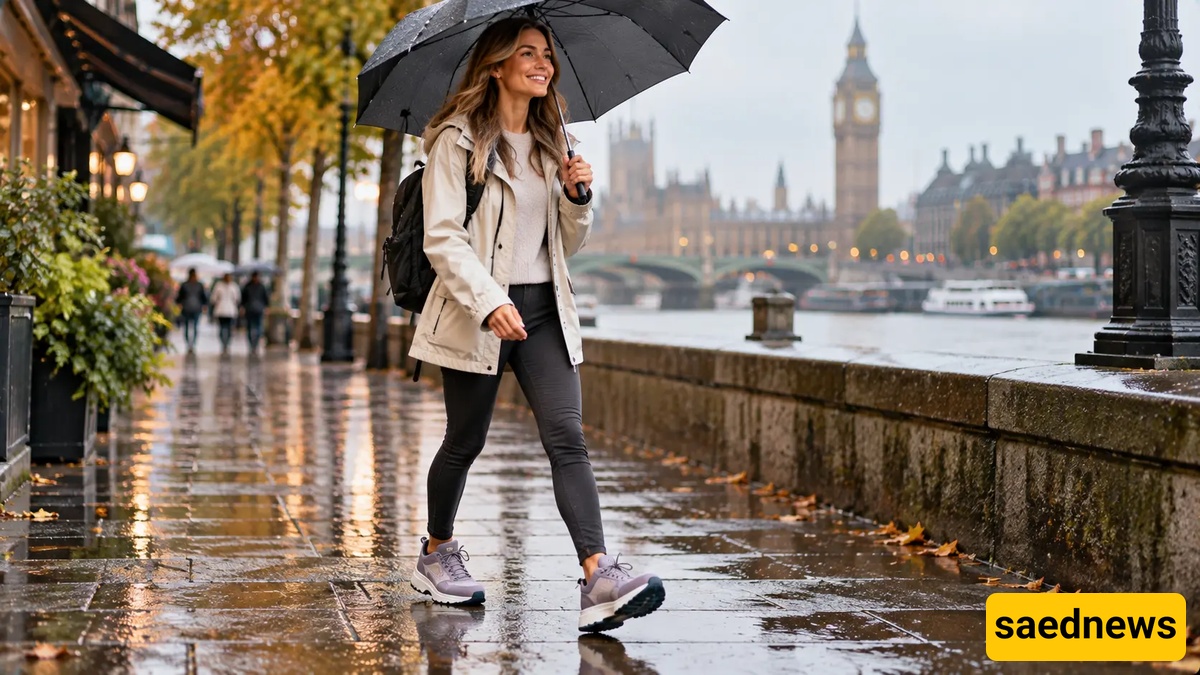
According to SAEDNEWS, choosing the right shoes for rainy days requires more than simply looking for a waterproof design. Wet weather can create slippery surfaces, damp environments, and uncomfortable conditions for feet, so footwear should provide protection while remaining practical for daily use.
The most important feature of rainy-day shoes is their ability to prevent water from entering. Shoes made with water-resistant materials or protective outer layers can help keep feet dry during light rain and wet walks.
When selecting rainy footwear, consider:
• Water-resistant or waterproof materials
• Sealed seams that reduce water entry
• A protective upper design that covers the foot properly
• Materials that are easy to clean after exposure to mud or rainwater
Breathability is also useful because shoes that trap too much moisture inside may make feet feel uncomfortable during long periods of use.
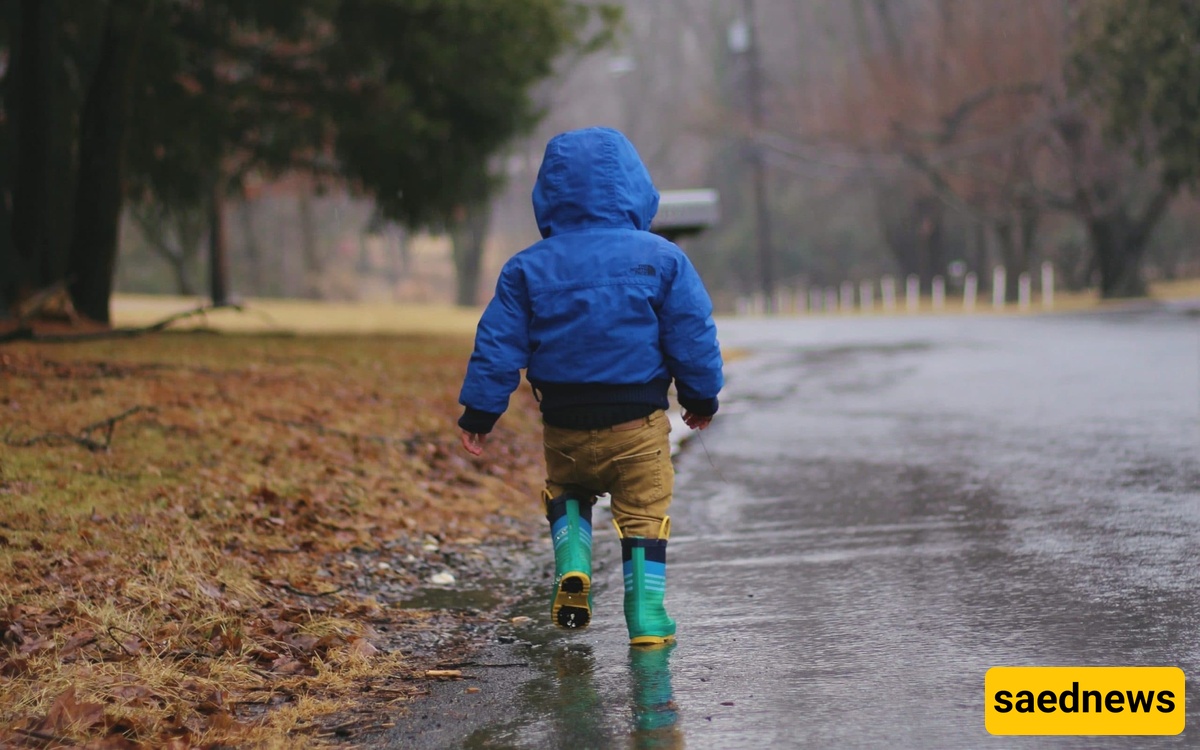
Rain can make sidewalks, roads, and other surfaces more slippery. A suitable rainy-day shoe should have an outsole designed to provide better traction.
Important sole features include:
Deep or textured patterns that improve contact with wet surfaces
Flexible materials that allow natural movement
A stable base that reduces the chance of losing balance
A shoe with a smooth sole may look stylish but can be less practical in rainy conditions.
Even weather-protective shoes should feel comfortable during daily activities. A good fit helps prevent pressure points, discomfort, and foot fatigue.
Before buying rainy-day shoes, check:
• Enough space for natural toe movement
• Proper support around the heel and arch
• Comfortable cushioning for walking
• The ability to wear them with suitable socks
Shoes that are too tight may become uncomfortable when feet swell slightly during extended walking.
Not every rainy day requires the same type of footwear. The best choice depends on how and where the shoes will be used.
For example:
Light rain and short outdoor trips may require comfortable water-resistant sneakers.
Frequent rainy conditions may call for more durable waterproof shoes or boots.
Outdoor activities may require stronger soles and extra protection from moisture.
Matching the shoe type with the environment can improve both comfort and performance.
Some footwear choices may cause problems during rainy weather. Common mistakes include:
• Choosing appearance over practical features
• Wearing shoes made from materials that absorb water easily
• Ignoring the condition of the sole and traction
• Selecting shoes without enough support for long walks
A stylish shoe can still be a poor choice if it does not provide enough protection in wet conditions.
Proper care can extend the life of rainy-weather footwear. Cleaning dirt and mud after use, allowing shoes to dry naturally, and following the manufacturer’s care instructions can help maintain their protective qualities.
The right rainy-day shoes combine water protection, comfort, stability, and durability. By considering these factors before purchasing, it becomes easier to choose footwear that keeps feet comfortable and ready for changing weather.