SAEDNEWS: High temperatures inside parked cars can damage some everyday belongings and create safety risks. Learn which items are better removed before leaving your vehicle in the heat.
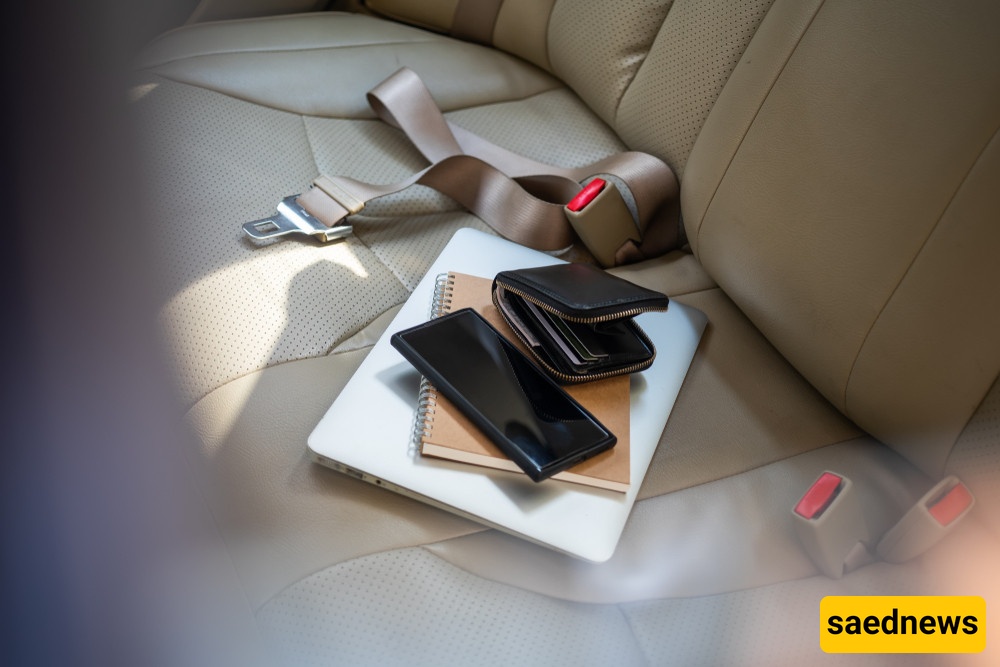
According to SAEDNEWS, the temperature inside a parked car can rise quickly on hot days, even when the outside temperature does not seem extreme. The trapped heat and direct sunlight may affect certain materials, reduce product quality, or create potentially unsafe conditions. Removing a few common items before leaving the car can help protect both your belongings and your vehicle.
Some objects are more sensitive to high temperatures than others. Items that should generally not remain inside a hot car for long periods include:
• Electronic devices: Phones, tablets, power banks, cameras, and other electronics can be affected by excessive heat. High temperatures may reduce battery performance and, in some cases, damage internal components.
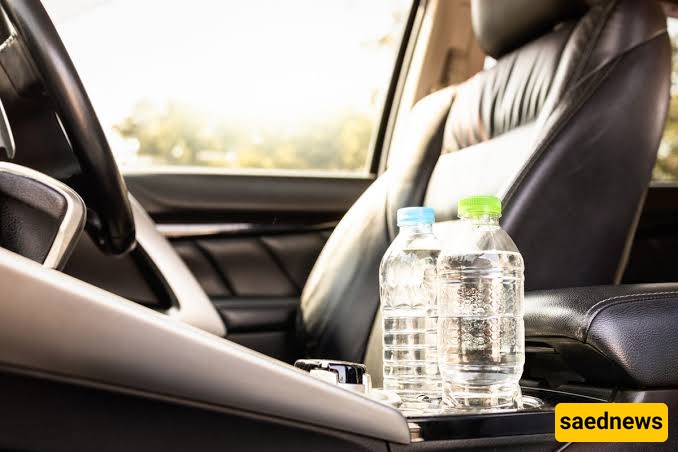
• Plastic items: Certain plastic products can become softer, warped, or misshapen when exposed to strong heat for extended periods, especially if they are placed in direct sunlight.
• Medicines and health products: Many medications and health-related products have specific storage conditions. Heat exposure may reduce their effectiveness, so they should be stored according to their labels and removed from hot vehicles when necessary.
• Food and drinks: Perishable foods can spoil quickly in a warm car. Even packaged items may experience changes in quality when exposed to high temperatures.
Beyond obvious heat-sensitive products, some daily belongings can also be affected by a hot vehicle environment.
Cosmetics and personal care products may change in texture or consistency when exposed to heat. Items such as creams, lotions, and similar products are often designed to be stored at normal room temperatures rather than inside a heated car.
Glasses and sunglasses can also be vulnerable. Extreme heat may affect some frames, coatings, or adhesives, especially when items are left on the dashboard where sunlight is strongest.
Some items should not only be protected from damage but also removed because they may create safety concerns. For example:
Batteries and rechargeable devices
Heat can place additional stress on batteries.
Portable electronic devices are better kept away from direct sunlight and high temperatures.
Pressurized containers
Certain containers with pressurized contents may be affected by heat.
It is safer to follow the storage instructions provided on the product.
Items that can melt or leak
Heat-sensitive materials may leave stains or damage the interior of the car if they soften or spill.
A few easy habits can help prevent problems during warm seasons:
• Check the seats and dashboard before leaving the car.
• Keep heat-sensitive belongings with you instead of storing them inside the vehicle.
• Use a shaded parking area when possible.
• Avoid leaving valuable electronics visible inside the car.
• Read storage instructions for products that may be sensitive to temperature.
A quick check before locking the car can prevent damage to personal belongings and help maintain a safer vehicle environment during hot weather.