SAEDNEWS: White is widely used for household items because it creates a clean, versatile appearance and works easily across different interior styles.
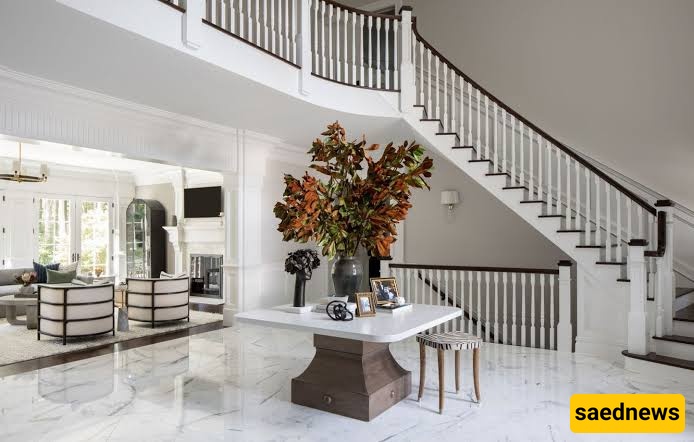
According to SAEDNEWS, the popularity of white household items is not simply a matter of taste. White has several practical and visual qualities that make it particularly suitable for products used throughout the home, from kitchen appliances and bathroom fixtures to furniture and storage containers.
White is strongly associated with cleanliness because stains, dust, and discoloration can be relatively easy to notice on a white surface. This quality can be useful for household products where cleanliness is especially important, such as kitchen and bathroom items. At the same time, the simplicity of white gives products a neat and uncluttered appearance.
White also has a visual advantage: it tends to make objects look lighter and less dominant. A white appliance or piece of furniture can therefore blend into its surroundings more easily than a strongly colored alternative.
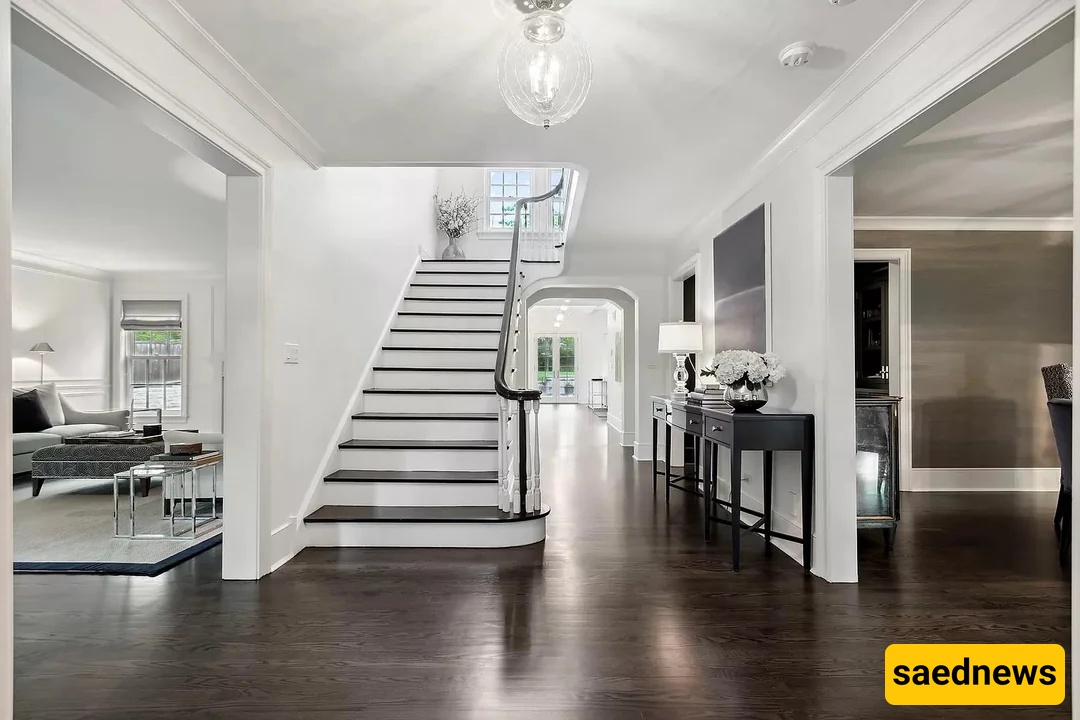
Another reason manufacturers frequently choose white is its versatility. White can work with many combinations of colors, materials, and decorative styles. Whether a room has wooden furniture, neutral walls, colorful accessories, or a minimalist design, white household items can generally fit without creating a strong visual contrast.
This flexibility can also be useful when people replace or rearrange furniture. A white appliance or storage item is less likely to clash with a new color scheme, which can make it a practical long-term choice.
There are also production and design considerations. White has long been a standard finish for many household products, making it familiar to consumers and easy to incorporate into different product lines. Depending on the material and manufacturing process, white finishes can also be relatively straightforward to produce consistently.
Several qualities help explain its continued popularity:
Neutrality: White does not strongly compete with other colors.
Timeless appearance: It is less closely tied to a particular decorating trend.
Visibility of dirt: Dust and stains can be easier to notice, encouraging regular cleaning.
Design flexibility: White works with many interior styles.
Visual simplicity: It can give household objects a clean and orderly appearance.
Despite these advantages, white is not automatically the best choice for every household item. Some white surfaces can show stains, scuffs, or discoloration more clearly than darker finishes. Certain materials may also change appearance over time because of aging, sunlight, heat, or repeated exposure to cleaning products.
The continued presence of white in homes therefore reflects a combination of visual neutrality, associations with cleanliness, design flexibility, consumer familiarity, and manufacturing traditions. Its simplicity makes it easy to live with, which helps explain why white remains one of the most common colors for everyday household products.