SAEDNEWS: Everyday routines can help children gradually develop patience through small, age-appropriate opportunities to wait, take turns, and manage frustration.

According to SAEDNEWS, patience is a skill children gradually develop rather than a behavior they can be expected to master immediately. Everyday situations such as waiting for food, taking turns during play, or finishing a task can provide natural opportunities to practice waiting and handling disappointment.
Children often find long periods of waiting difficult, so parents can begin with short, realistic situations. Instead of expecting a child to wait quietly for a long time, explain what will happen and give them something appropriate to do while they wait. Simple phrases such as “First we finish this, then it is your turn” can make the sequence easier to understand.
Parents can use ordinary routines to create gentle practice opportunities:
Taking turns: During games or family activities, encourage children to wait while another person has a turn.
Waiting for meals: Ask children to help with a small preparation task while food is being served rather than immediately responding to repeated requests.
Waiting for attention: When a parent is occupied, acknowledge the child and give a clear indication of when they can talk.
Completing activities: Encourage children to continue with manageable tasks instead of immediately stepping in when something becomes difficult.
Waiting for a desired item: When appropriate, let children experience short delays rather than fulfilling every request immediately.
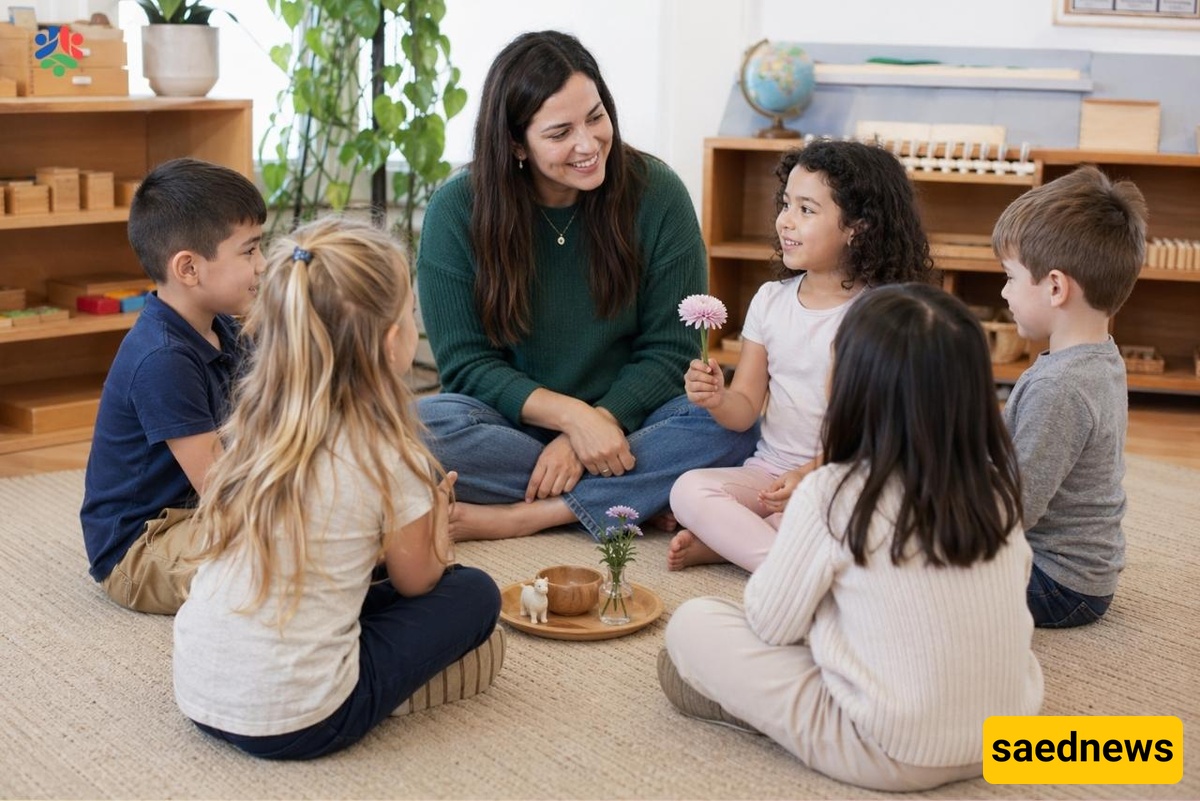
Children learn a great deal by observing adults. Parents can model patience by staying calm when something takes longer than expected, waiting for others to finish speaking, and using respectful language when frustrated. Saying, “I am waiting too, so let’s stay calm,” can show a child that waiting is a normal part of everyday life.
Unclear waiting can be particularly challenging for young children. Instead of simply saying “wait,” provide a simple explanation of what comes next. For example, “After your sister finishes her turn, you can choose the game.” This gives the child a predictable sequence without promising an exact amount of time they may not yet understand.
Patience develops more effectively when children are guided rather than shamed for becoming frustrated. A child may need reminders, encouragement, and repeated practice before waiting becomes easier. Parents can acknowledge the feeling while maintaining the boundary: “I know you want it now. It is difficult to wait, but your turn is coming.”
Small, repeated experiences are often more useful than demanding perfect patience. When children are given manageable opportunities to wait, take turns, cope with minor delays, and observe calm behavior from adults, they can gradually become more comfortable with the ordinary frustrations that come with daily life.