SAEDNEWS: Pothos is one of the most resilient and popular houseplants, adding a distinctive touch to any interior with its heart-shaped, trailing leaves. In this article, you’ll learn about the ideal growing conditions, lighting, watering, soil requirements, propagation methods, and solutions to common problems affecting this plant.
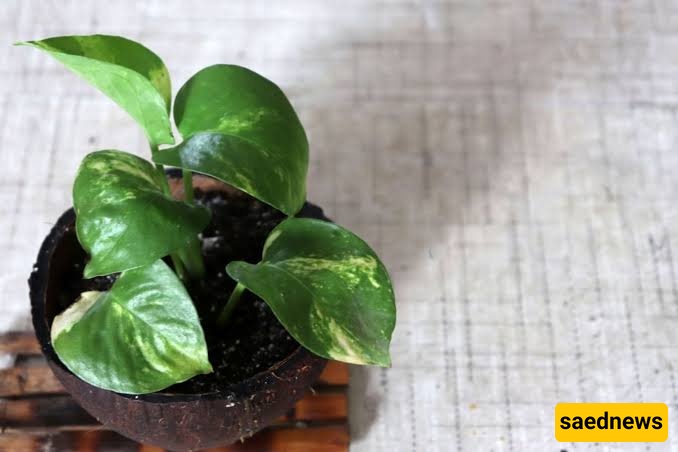
According to Saednews, Pothos (Epipremnum aureum), also known as devil’s ivy, golden pothos, or money plant, is one of the most popular and resilient houseplants in the world. With its heart-shaped, trailing leaves, it adds a beautiful touch to home and office interiors. Its remarkable adaptability to different indoor conditions also makes it an excellent choice for both beginners and experienced plant enthusiasts.
This guide covers everything you need to know about pothos care, including ideal growing conditions, watering, propagation, pruning, repotting, training, and solutions to common problems. If you want an attractive, low-maintenance houseplant, pothos is an excellent choice.
Pothos can generally be divided into two main categories: green-leaved pothos and variegated pothos. Their basic care requirements are similar, although they differ slightly in their lighting needs.
Green Pothos:
This variety is highly tolerant of low-light conditions and can continue growing even in relatively dark areas. Its leaves are solid green and glossy.
Variegated Pothos:
The leaves feature white or cream-colored markings and streaks. Variegated pothos requires slightly more light than green varieties to maintain its attractive coloring. If it does not receive enough light, new leaves may gradually become greener and lose much of their variegation.
Other popular cultivars include Moonlight pothos, Silver pothos, and Marble Queen pothos, which are also widely appreciated by houseplant enthusiasts.
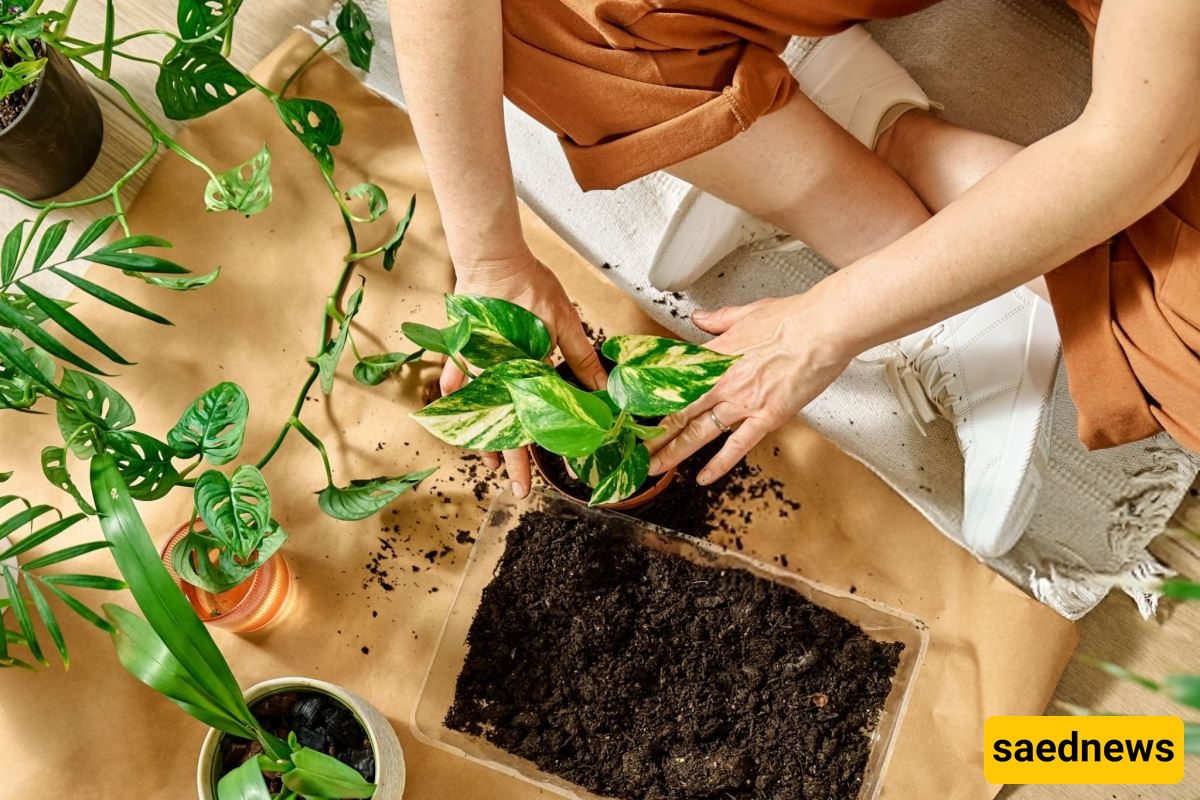
To keep your pothos lush, healthy, and full, it is important to provide suitable environmental conditions.
Pothos is sensitive to intense direct sunlight. Prolonged exposure to direct sun can cause leaf scorch, which may appear as blister-like spots or burned areas on the leaves.
An ideal location is near an east- or south-facing window where the plant receives bright, filtered light. Pothos is highly tolerant of shade and can survive in low-light spaces, although its growth will be slower.
Important: If the light level is too low, variegated pothos may lose its distinctive coloring. To correct this, gradually move the plant to a brighter location so it has time to adapt.
Pothos should be watered only after the soil has partially dried out. Allowing the surface of the soil to dry between waterings helps prevent root rot. How frequently you need to water depends on factors such as temperature, humidity, pot size, and the season.
Summer: Water approximately every 4–5 days.
Winter: Because growth and evaporation slow down, watering every 7–8 days may be sufficient.
Always check the soil before watering by inserting your finger into the top layer. If the first couple of centimeters of soil are dry, it is generally time to water.
Pothos tolerates relatively low indoor humidity. However, if you want to increase humidity, you can occasionally mist the leaves. In higher-humidity conditions, pothos leaves may develop larger, broader foliage.
The ideal temperature for pothos growth is around 22°C (72°F). The plant can tolerate temperatures between approximately 18°C and 30°C (64°F–86°F), but it should be protected from sudden temperature changes and cold drafts, including direct exposure to air conditioners.
When temperatures fall below about 15°C (59°F), growth may stop and the leaves can become wrinkled or brown. If this happens, move the plant to a warmer location.
Pothos prefers a light, well-draining growing medium. A suitable mix can include garden soil, sand, and leaf mold. This allows excess water to drain away easily and prevents the roots from remaining in overly wet soil.
Adding perlite can further improve drainage and aeration.
Pothos benefits from regular feeding during its active growing season. From approximately April through November, apply a liquid fertilizer every two weeks.
You can dissolve around 3 grams of water-soluble fertilizer in 1 liter of water and use the solution when watering the plant.
Reduce or stop fertilizing during autumn and winter, when the plant naturally enters a slower-growth period.
One of the reasons pothos is so popular is how easy it is to propagate. With a healthy parent plant and a little care, you can produce several new plants.
Spring is generally the best time for propagation, although indoor pothos can be propagated at almost any time of year under suitable conditions.
Select a healthy, vigorous stem. The cutting should contain at least one node, which is the point where a leaf joins the stem.
A terminal cutting approximately 8–10 cm (3–4 inches) long works well. Using a sharp, sterilized knife or pruning tool, cut just below a node.
There are two common ways to root pothos cuttings.
Water Propagation:
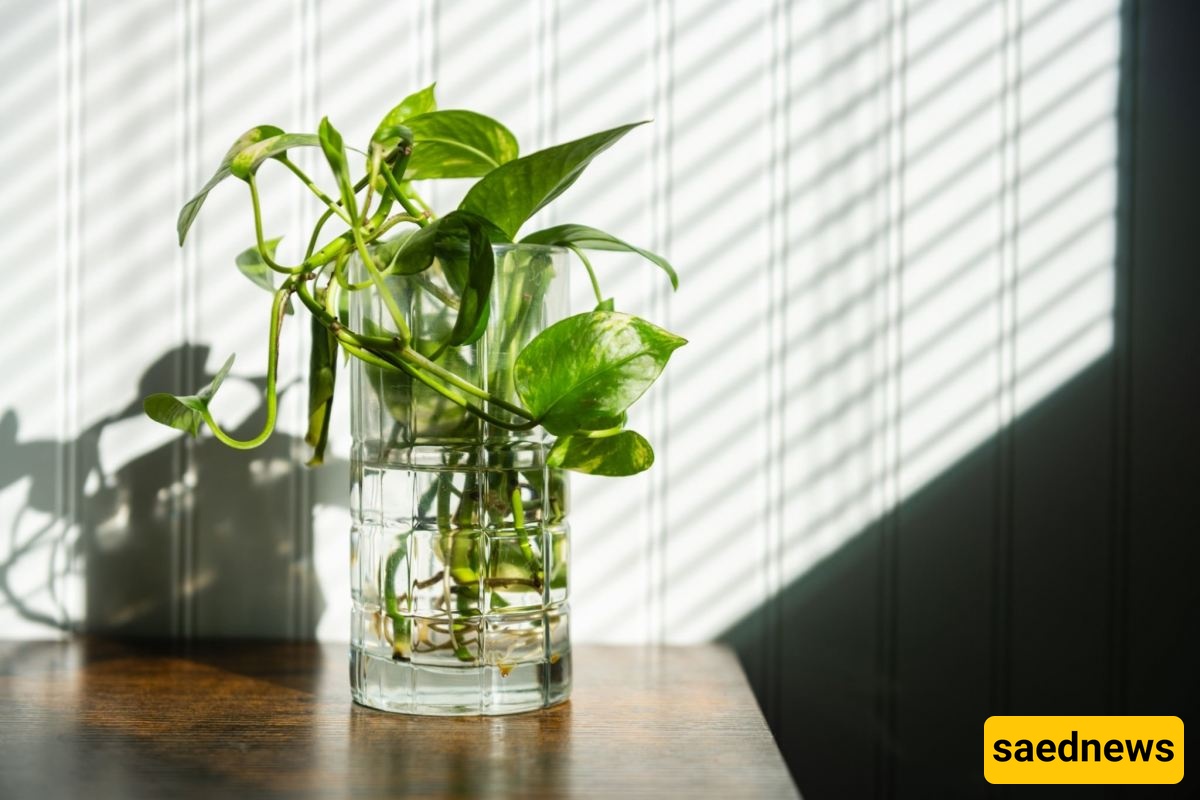
Place the cutting in a glass of water, making sure that at least one node is submerged. Keep the container in a bright location away from direct sunlight.
After a few weeks, white roots should begin to emerge from the node. Once the roots reach approximately 2–3 cm (1 inch) long, the cutting can be transferred to a pot.
Soil Propagation:
You can optionally dip the end of the cutting in rooting hormone and plant it in a small pot, around 9 cm (3.5 inches) in diameter, filled with seed-and-cutting compost or another light growing medium.
Planting 3–5 cuttings in one pot can help create a fuller-looking pothos. Moisten the soil and cover the pot with a transparent plastic bag to maintain humidity.
Keep the pot at around 20°C (68°F) in a bright location. Root development usually takes around a month or longer.
Pothos is a naturally trailing and climbing plant. If you want a more structured appearance, you can train its stems around a support or tie them to a stake.
One particularly effective option is a moss pole. Place a pole in the pot and cover it with moss, securing the moss with suitable string or twine. Attach the main pothos stems to the moss.
When watering, moisten the moss as well. Pothos can produce roots at points where its stems contact the moist moss, helping the plant climb and supporting stronger growth.
To keep the plant dense and compact, prune stems that have become excessively long. Don't throw away the cuttings—they can be used to propagate new pothos plants.
Pothos eventually needs a larger pot when its roots run out of growing space. Signs that it is time to repot include roots emerging from the drainage holes or becoming visible on the soil surface.
Choose a new pot that is approximately one size larger than the current container.
Follow these steps:
Water the plant thoroughly so the soil becomes moist.
Carefully turn the pot upside down and gently tap the bottom to release the plant with its root ball.
Remove some of the old soil and any weak or damaged roots.
Add fresh potting mix to the new container and position the plant in the center.
Fill the space around the roots with fresh soil and gently press it down to stabilize the plant.
Water the plant and return it to a suitable location.
The best time to repot pothos is generally spring or early summer.
Although pothos is a hardy houseplant, unsuitable growing conditions can still lead to problems.
If the leaves are dropping and the stems are becoming limp, the plant may be suffering from insufficient water or very dry air.
Water the plant thoroughly and consider moving it to a cooler location with higher humidity.
This usually indicates insufficient light or a lack of nutrients.
Move the plant to a brighter location and maintain a regular fertilizing schedule during the growing season.
Brown or black patches, particularly near the center or tips of leaves, can indicate damage caused by excessive direct sunlight.
Move the plant to a location with filtered or indirect light and remove severely damaged leaves.
Raised spots may indicate an infestation of scale insects. Treat the plant with an appropriate insecticide according to the product instructions and repeat treatment as necessary until the infestation is controlled.
If your pothos stops producing new leaves, the environment may be too cold.
Move the plant to a warmer location. Cold temperatures can also cause the leaves to become wrinkled and brown.
Yellowing and falling lower leaves are often associated with waterlogged soil or excessive watering. Water that is too cold may also contribute to stress.
Allow the soil to dry between waterings and use room-temperature or lukewarm water rather than very cold water.
Pothos contains calcium oxalate crystals and is toxic to people and pets, including dogs and cats, if eaten. Ingestion can cause gastrointestinal irritation and vomiting. Keep the plant away from children and pets.
If the leaves become dusty, gently wipe them with a damp cloth. Clean leaves can absorb light more efficiently for photosynthesis.
Rotate the pot every few weeks to help the plant receive light more evenly and encourage balanced growth.
Keep pothos away from cold drafts, heaters, and direct airflow from heating or air-conditioning systems.
Avoid keeping the plant in constantly waterlogged soil, even though pothos is tolerant of less-than-perfect growing conditions.
Pothos is an excellent houseplant for anyone looking for an attractive, adaptable, and relatively easy-to-care-for plant. With bright indirect light, appropriate watering, well-draining soil, moderate temperatures, and occasional feeding, it can remain healthy and vigorous for years.
Regular pruning and propagation also make it easy to maintain a fuller appearance while creating new plants from existing stems. With just a little attention to light, water, temperature, and drainage, pothos can become one of the easiest and most rewarding plants in your home.