SAEDNEWS: Shoe grip depends on factors such as sole material, tread pattern, surface condition, and moisture. Understanding these factors helps explain why some shoes lose traction more easily than others.
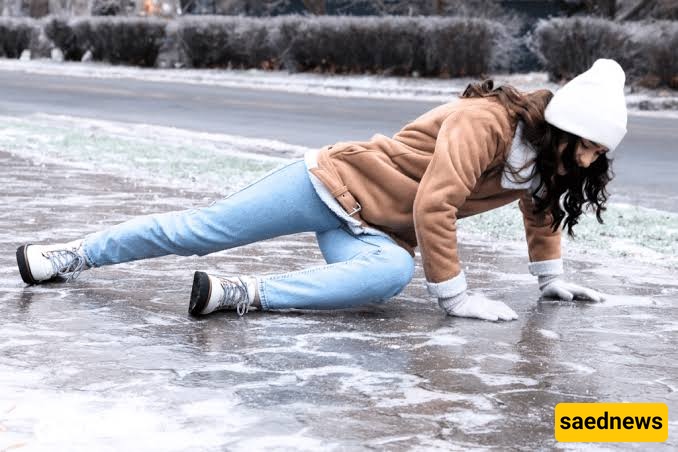
According to SAEDNEWS, the slipperiness of a shoe is largely determined by how effectively its sole can maintain contact with the ground. Friction between the outsole and the walking surface provides the traction needed to prevent the foot from sliding. Different shoe materials and designs can therefore behave very differently on the same floor.
The rubber or synthetic compound used in an outsole affects its ability to grip. Some materials remain relatively flexible and maintain good contact with a surface, while harder or less suitable compounds may provide less traction under certain conditions. The properties of the material can also change with temperature, wear, and age.

The pattern underneath a shoe is another important factor. Grooves and channels can help a sole interact with uneven surfaces and allow water or other moisture to move away from areas of contact.
A worn outsole may become less effective because:
Tread patterns become shallower.
Edges that once helped provide traction become rounded.
The sole may develop a smoother contact surface.
Damage or uneven wear can reduce consistent contact with the ground.
Water can significantly change the interaction between a shoe and a smooth surface. A thin layer of water may reduce direct contact between the outsole and the floor, making it easier for the shoe to slide. Smooth surfaces such as polished flooring can be particularly challenging when wet.
However, slipperiness does not depend on water alone. Dust, grease, loose particles, and other contaminants can also alter friction and reduce traction.
The same pair of shoes may feel secure on one surface and slippery on another. Concrete, tile, wood, polished stone, and other flooring materials have different textures and friction characteristics. A sole designed for one environment may therefore perform differently when used elsewhere.
For better traction, practical considerations include:
Check the outsole: Look for adequate tread and signs of excessive wear.
Keep the sole clean: Dirt and debris can interfere with contact with the floor.
Consider the surface: Be especially cautious when walking on smooth or wet flooring.
Choose footwear appropriately: Shoes designed for the intended environment generally provide more suitable traction.
Ultimately, there is no single feature that determines whether a shoe will be slippery. Outsole material, tread design, wear, moisture, contaminants, and the walking surface all interact to influence grip. Understanding these factors can make it easier to recognize why a particular pair of shoes feels less stable in certain conditions.