SAEDNEWS: Having lizards in the house can be very bothersome, especially for women. For this reason, we aim to introduce the most effective methods for getting rid of and keeping lizards away from your home.
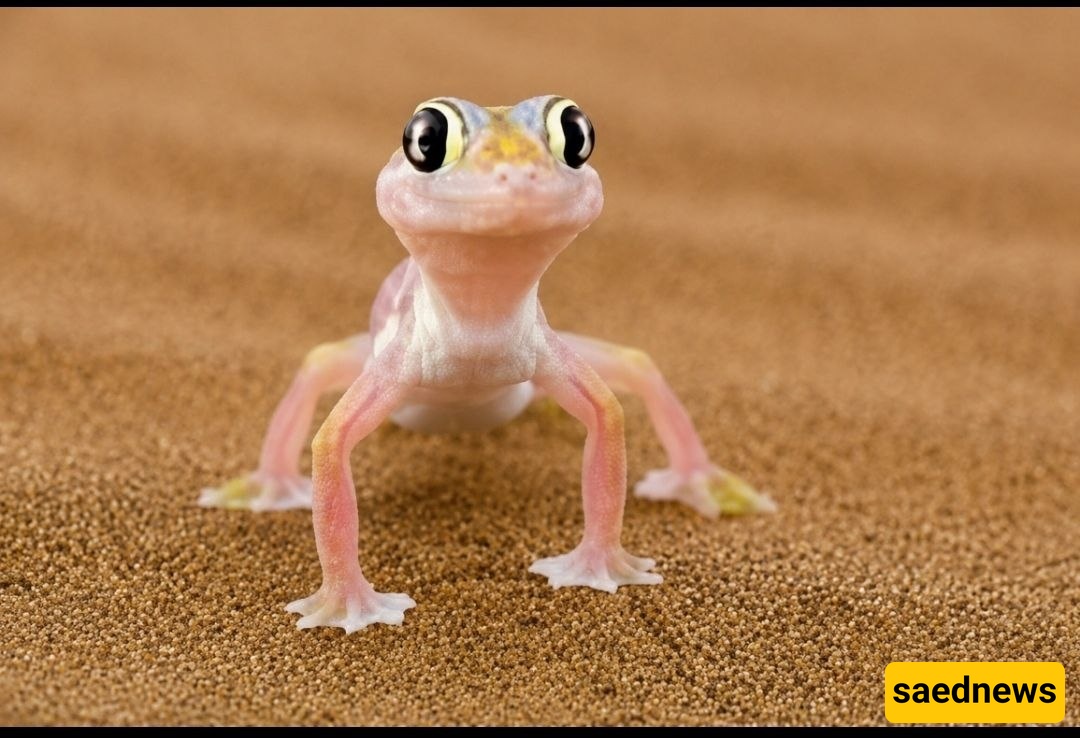
According to Saednews, Seeing a lizard suddenly appear inside your home, on a wall, or inside kitchen cabinets can be frightening for many people. Getting rid of lizards does not necessarily require dangerous methods. In this article, we explore practical ways to keep lizards away from your home and prevent them from entering in the first place.
Although lizards generally do not attack humans directly, their presence in living spaces can create hygiene and health concerns. Some of the potential problems associated with lizards in the home include:
Lizard droppings may contain harmful bacteria and compromise household hygiene.
Lizards may enter stored food, and contamination with their droppings can contribute to foodborne illness.
Direct contact with certain lizard species may expose people to bacteria and potentially cause skin-related problems.
Children or pets may accidentally pick up a lizard and put it in their mouths, which can potentially lead to illness.
Contact with lizards or inhalation of particles from their droppings may trigger skin irritation or allergic symptoms in sensitive individuals.
The sudden appearance of a large lizard can cause stress, fear, and anxiety, particularly in children and sensitive individuals.

If you have been wondering how to get rid of lizards in your home, the following methods may help.
Getting rid of lizards does not require dangerous methods. Before considering killing them, it is worth knowing that lizards are believed to dislike certain strong smells. The pungent smell of garlic can be unpleasant to them, so placing pieces of garlic in areas where lizards frequently appear may help discourage them.
Pepper and spicy substances are sometimes suggested as lizard deterrents. However, spraying irritants directly at animals is not recommended, as it can cause unnecessary suffering and may also irritate people and pets.

One of the best ways to prevent lizards from entering your home is to seal cracks, gaps, and other openings. Do not overlook cracks in walls or spaces around windows and doors. Even a small opening may provide access. Caulk, sealant, or suitable repair materials can be used to close these gaps.
Lizards mainly feed on small insects. Keeping your home clean and reducing insect activity can therefore make your house less attractive to them. Regular cleaning not only creates a healthier living environment but can also reduce the conditions that attract lizards.
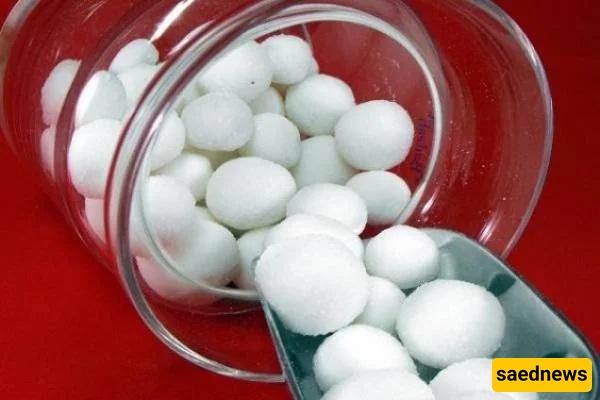
Mothballs are sometimes mentioned as an old-fashioned method for keeping lizards away. However, they contain chemicals that can be harmful to people and pets if misused. They should not be placed openly around living areas, food-storage spaces, or places accessible to children and animals.
Keep food containers tightly closed and clean up food spills and crumbs promptly. Reducing available food sources can help discourage insects, which in turn can make your home less attractive to lizards.
Lizards generally have relatively short lifespans, often around one to five years depending on the species. Eliminating suitable food, shelter, and breeding conditions can help prevent their numbers from increasing around your home.
Some traditional home remedies recommend mixing coffee powder with tobacco and placing small balls of the mixture around the house. However, tobacco can be toxic, particularly to children and pets, so this method is not recommended.
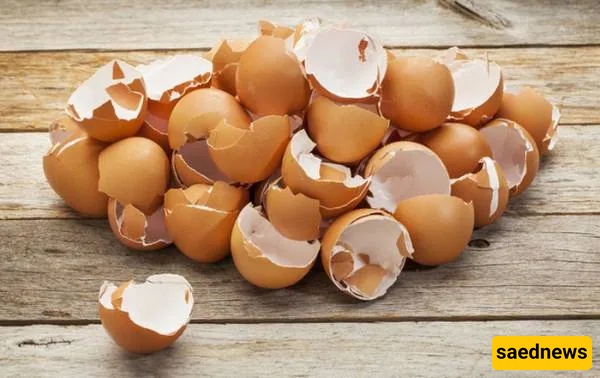
Another traditional suggestion is to place empty eggshells around corners, shelves, or near windows and cabinets to discourage large lizards from entering. However, there is limited scientific evidence that eggshells effectively repel lizards.
Although non-invasive prevention is generally preferable, a more serious infestation may require professional assistance. Rather than attempting to kill lizards yourself, consider using safe and humane removal methods.
Pesticides should be used with great caution, particularly indoors. If there are many lizards in your home, contacting a reputable pest-control company is a safer option. Professionals can identify the underlying cause of the infestation and recommend an appropriate treatment.
Some people traditionally use diesel fuel to kill lizards. This method is dangerous and should not be used. Diesel fumes and exposure can pose serious health and fire risks to household occupants.
Glue traps are sometimes marketed for catching lizards. However, they can cause prolonged suffering and may also trap unintended animals. Humane capture and relocation, or professional pest control, are preferable alternatives.
Sulfur is sometimes suggested as a natural lizard repellent because of its strong smell. However, it should not be scattered or burned indoors, as sulfur compounds can irritate the respiratory system and may be hazardous.
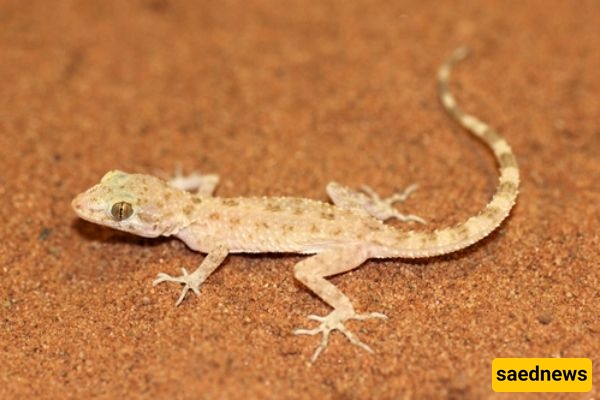
Managing lizards outdoors is somewhat different from dealing with them indoors. The goal should not simply be to eliminate lizards, but to make your yard less attractive to them by reducing food, water, and shelter.
The presence of lizards in a yard often indicates an abundant supply of insects. Standing water in containers, old tires, or small ponds can attract insects, which are a major food source for lizards.
Removing standing water and reducing insect populations can help disrupt this food chain.
Bushes, weeds, piles of leaves, and accumulated branches provide ideal hiding places for house lizards and other species.
Keep grass and vegetation around windows and doors trimmed. Avoid leaving piles of wood, dry leaves, or garden debris in corners of the yard where lizards can hide.

Outdoor lights can attract insects, which in turn attract lizards. Consider using lighting that attracts fewer insects, such as warmer-colored bulbs, and avoid unnecessarily bright lights near doors and windows.
Some people recommend mixing hot pepper sauce with water and spraying it along areas where lizards travel. However, strong irritants can affect pets, children, and other wildlife, so physical exclusion and environmental management are safer options.
Open garbage bins can attract insects and other pests, creating a food source for lizards. Use garbage containers with tightly fitting lids and keep the area around them clean.
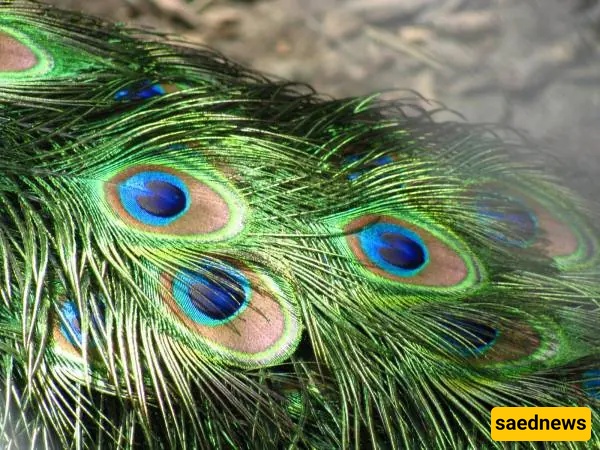
A traditional belief suggests that lizards are frightened by peacock feathers because they resemble the presence of a predator. Some people therefore place peacock feathers around their homes or yards. However, there is little scientific evidence that this reliably repels lizards.
Some plants are traditionally believed to discourage lizards because of their strong scents. These include mint, Japanese mint, eucalyptus, and certain cypress varieties.
Planting fragrant vegetation around the yard may help create a less attractive environment for lizards, while also improving the appearance of your garden.
The most effective long-term approach to dealing with lizards is prevention rather than extermination. Seal cracks and openings, reduce insects and standing water, keep food covered, maintain your garden, and eliminate hiding places. If you are dealing with a large infestation, professional pest control is generally safer and more effective than using potentially hazardous household chemicals.