SAEDNEWS: A pan’s weight can affect heat distribution, stability, cooking control, and everyday comfort. Choosing the right weight means balancing performance with ease of handling.
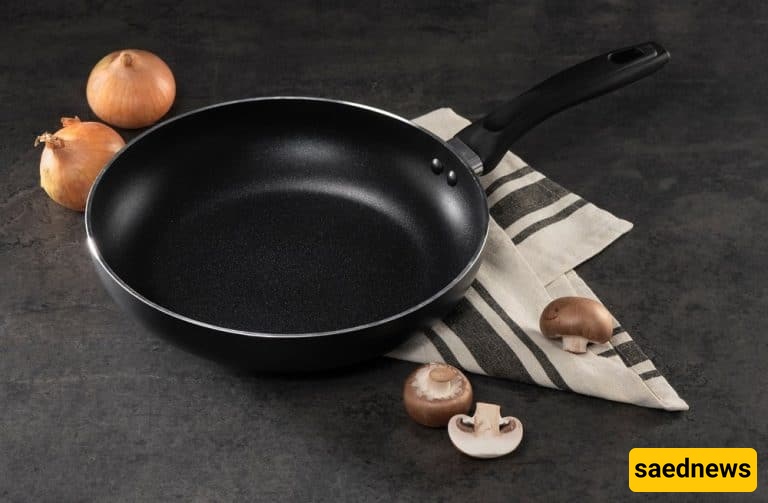
According to SAEDNEWS, the weight of a frying pan is more than a matter of personal preference. It can influence how evenly the pan heats, how steadily it sits on the stovetop, and how comfortable it is to lift, move, and clean. A very light pan may be convenient, but some lightweight cookware can heat less evenly or respond more quickly to temperature changes. Heavier pans, meanwhile, often provide greater stability and can retain heat well, depending on their material and construction.
A heavier pan often has a thicker base or walls, which can contribute to more consistent heating. This can be useful when cooking foods that benefit from stable temperatures, such as vegetables, eggs, or foods that need gentle browning. Greater weight also helps the pan remain firmly in place when stirring or turning food.
However, heavier does not automatically mean better. A pan that is difficult to lift with one hand may become inconvenient during everyday cooking. Its weight can also make pouring food, transferring the pan from the stovetop, or washing it more tiring.
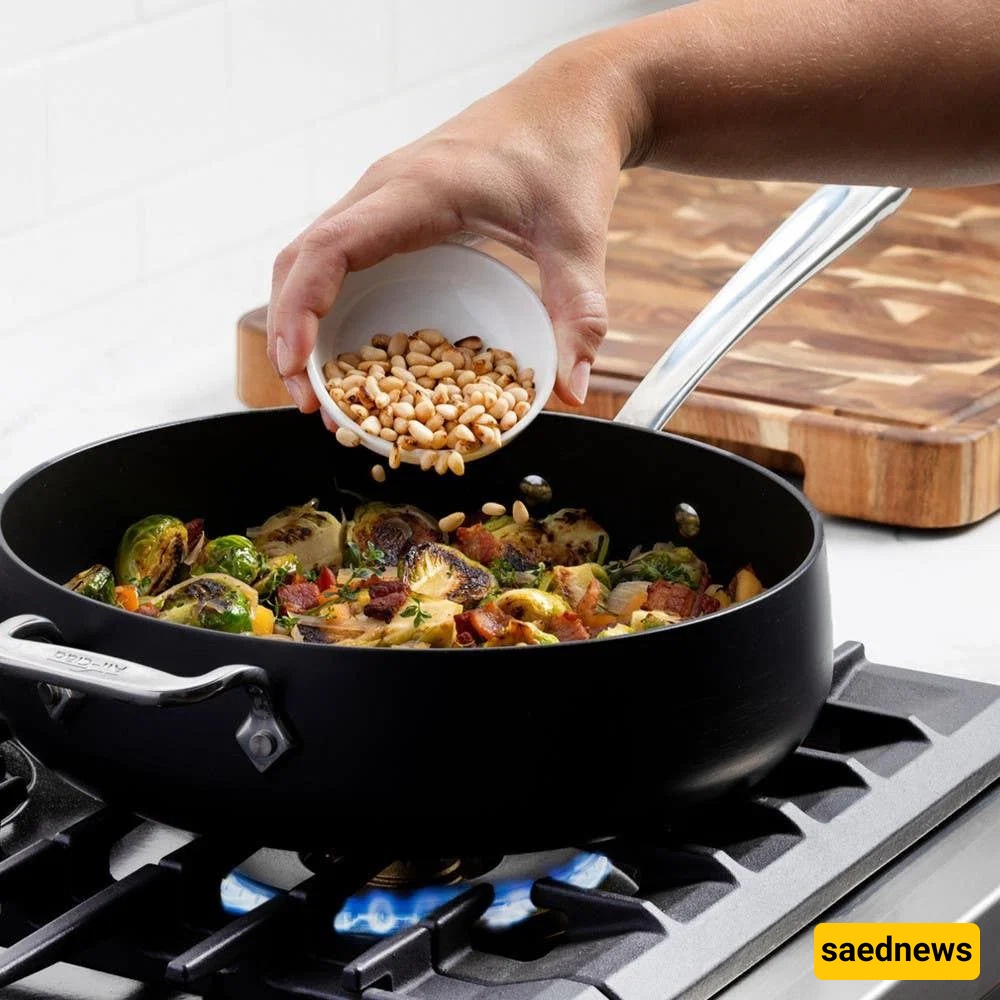
Weight should be considered alongside the pan's material:
Cast iron: Typically very heavy and excellent at retaining heat, but it requires more effort to handle.
Stainless steel: Weight varies considerably depending on thickness and construction. Well-made models can offer good stability and durability.
Aluminum: Usually lighter and quick to respond to temperature changes. A thicker or multi-layer design can improve heat distribution.
Carbon steel: Generally lighter than cast iron while still providing substantial heat retention and cooking performance.
The best choice depends on how the pan will be used. If you frequently move cookware, cook for long periods, or prefer easy cleaning and handling, a moderately weighted pan may be more practical than a very heavy one. If stability and strong heat retention are higher priorities, additional weight may be beneficial.
When shopping, try to judge the pan as you would use it at home. Hold it by the handle, imagine lifting it with food inside, and check whether you can comfortably tilt it. Also consider the weight of the lid if the pan comes with one.
A useful rule: choose the heaviest pan that you can comfortably handle rather than simply choosing the heaviest option available. Weight is one part of cookware quality, and the right balance between stability, heat performance, durability, and ease of use is usually more valuable than weight alone.