SAEDNEWS: Traveling during quieter months can change the cost, pace, availability, and overall experience of a trip.
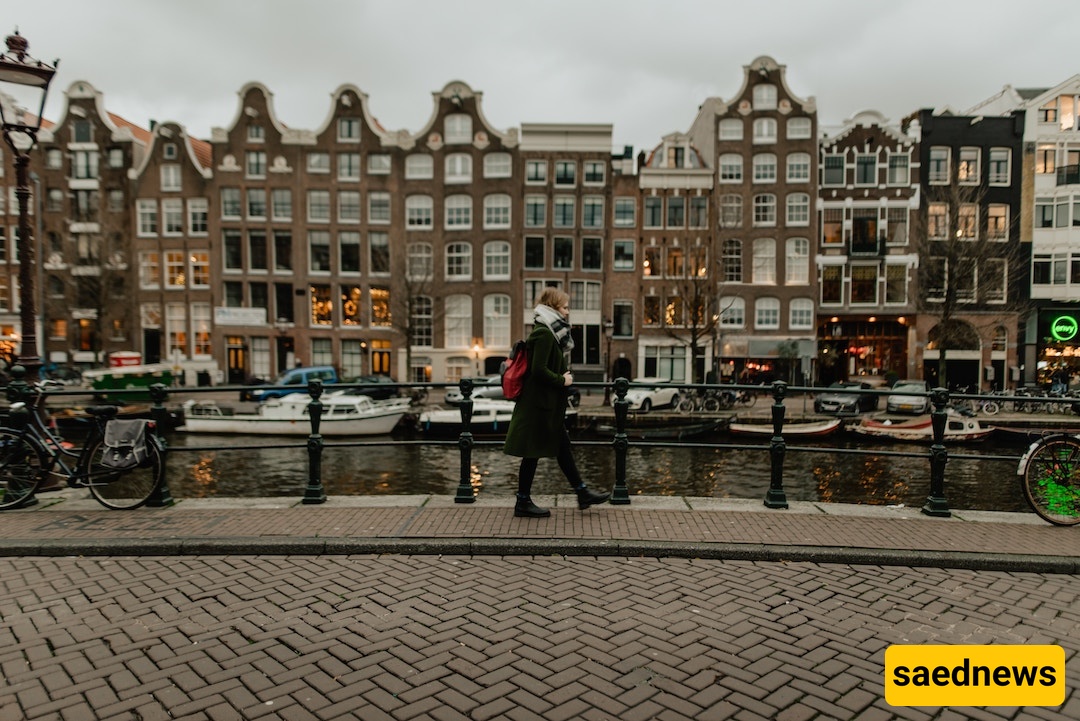
According to SAEDNEWS, choosing the off-season instead of the busiest travel period can make a trip feel noticeably different. Popular destinations are often quieter, attractions may be less crowded, and travelers can have more time to experience places without constantly dealing with long lines or packed public spaces.
One of the biggest changes is the pace. With fewer visitors around, travelers may spend less time waiting at attractions, finding a place to eat, or navigating crowded streets. This can make it easier to build a relaxed schedule rather than trying to fit around peak-hour crowds.
The quieter atmosphere can also change how a destination feels. A historic neighborhood, museum, park, or local market may be easier to appreciate when there are fewer people competing for space and attention.

Off-season travel can also affect accommodation and transportation costs, although savings vary by destination and date. Some hotels and travel services may offer lower rates outside peak periods, while popular options can become easier to book.
Another practical advantage is greater choice. Travelers may have more flexibility when selecting:
Accommodation locations
Preferred travel dates
Convenient transportation times
Popular attractions with limited capacity
However, not every destination becomes cheaper during its quiet season. Local events, holidays, weather conditions, and seasonal demand can still influence prices.
The off-season usually comes with a trade-off: conditions may be different from those found during peak travel months. Some outdoor activities may be unavailable, opening hours can change, and certain businesses may operate on reduced schedules.
Before booking, it is useful to check the destination's typical seasonal weather and confirm the operating dates of important attractions. A quieter trip is most enjoyable when the activities you care about are still available.
With fewer tourists around, everyday interactions can sometimes feel less hurried. Travelers may have more opportunities to spend time in local cafés, shops, markets, cultural sites, and neighborhoods without the intense atmosphere of peak season.
This does not guarantee a more authentic experience, but a slower environment can encourage travelers to observe more, stay longer in individual places, and leave room for unplanned discoveries.
Ultimately, off-season travel is not simply a cheaper version of a peak-season trip. It can offer a different balance of crowds, cost, availability, weather, and pace. Choosing it works best when the destination's seasonal conditions match the kind of experience the traveler wants.