SAEDNEWS: Seasonal hair shedding can happen at certain times of the year because changes in temperature, sunlight, humidity, and daily routines may influence the hair growth cycle. Knowing why it happens can help you care for your hair properly and recognize when excessive shedding may need attention.
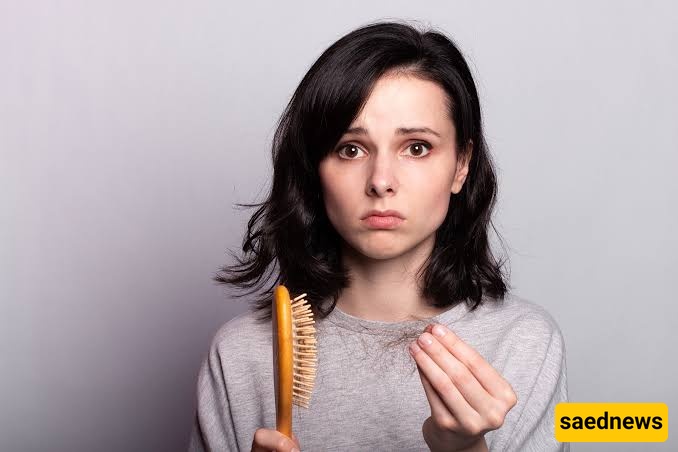
According to SAEDNEWS, noticing more hair on your pillow, clothes, or hairbrush during a particular season can be concerning. However, seasonal shedding is often linked to natural changes in the hair growth cycle rather than a serious problem.
Hair naturally moves through different phases of growth, rest, and shedding. Changes in daylight and seasonal conditions may influence how many hairs enter the shedding phase at the same time. As a result, some people may notice increased hair loss during a particular period of the year.
Cold, dry weather can make the scalp and hair more vulnerable to dryness and breakage, while warmer conditions may increase sweating and scalp oiliness. These changes can affect hair care needs and make normal shedding appear more noticeable.
Seasonal routines can indirectly influence hair health. Changes in diet, sleep, stress levels, outdoor activity, and hair-washing habits may contribute to temporary shedding. Maintaining a balanced diet and gentle hair-care routine can help support healthy hair.

Seasonal shedding is usually temporary and gradually improves. However, sudden or very heavy hair loss, visible thinning, bald patches, scalp irritation, or shedding that continues for a long time should not simply be attributed to the season. Such changes may have other causes and deserve professional evaluation.
Use gentle hair products, avoid excessive heat and tight hairstyles, and handle wet hair carefully. Keeping the scalp clean and maintaining adequate nutrition can also support normal hair growth. If seasonal shedding repeatedly becomes severe, tracking when it starts and how long it lasts can provide useful information for a healthcare professional.