SAEDNEWS: Natural colors in traditional fabrics were created from plants, roots, leaves, flowers, fruits, and other natural materials. These materials were processed and mixed with water to release their pigments, which were then absorbed by fibers through careful heating and preparation.
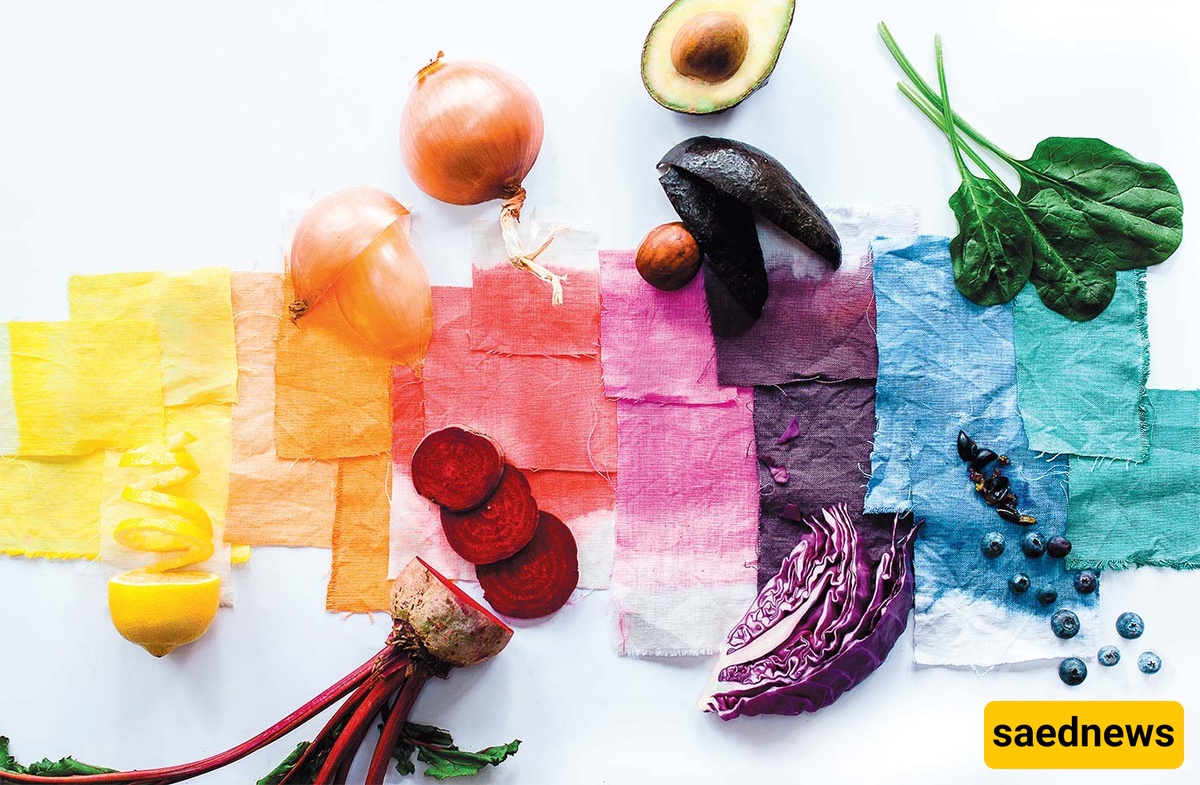
According to SAEDNEWS, traditional textile makers relied on materials found in their surroundings to create different shades. Leaves, flower petals, roots, tree bark, fruit skins, and certain seeds could provide useful pigments. The choice of material depended on the desired color and the local environment.
Preparing Natural Materials
Natural dye sources were usually cleaned, dried when necessary, and crushed or chopped into smaller pieces. The prepared materials were placed in water and heated gently for a period of time. Heat helped release the coloring compounds into the water, producing a dye bath.
Preparing The Fabric
Before dyeing, the fabric was cleaned carefully so that dust, oils, and other substances would not prevent the color from entering the fibers. Some traditional methods also used natural substances to help the dye attach more effectively to the fabric. Proper preparation could make the final color more even and durable.
The Dyeing Process
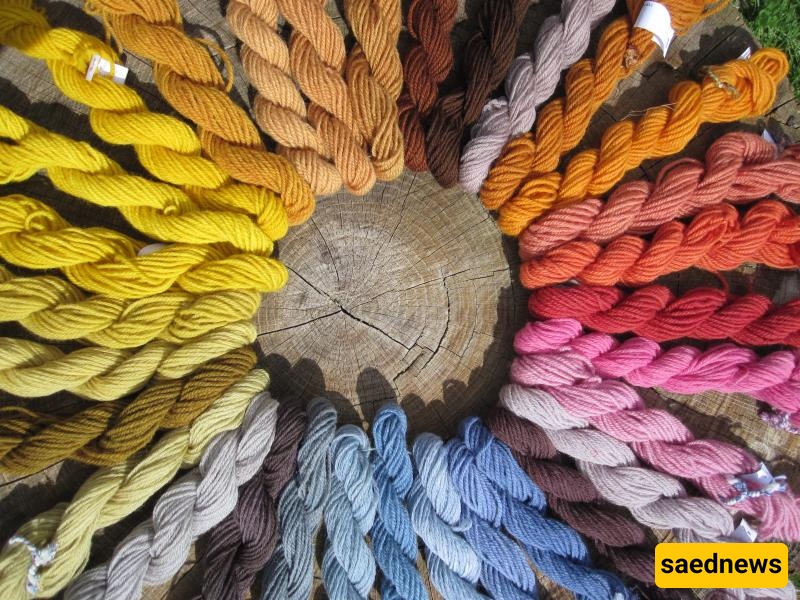
The prepared fabric was immersed in the dye bath and moved regularly to distribute the color. Temperature, soaking time, and the concentration of the dye could all affect the final shade. Repeating the process several times often produced deeper and richer colors.
Why Natural Dyes Were Important
Natural dyeing was an important traditional craft because it connected textile production with locally available resources and practical knowledge. The resulting colors could have subtle variations, making each piece distinctive. Traditional dyeing techniques also demonstrate how earlier communities used natural materials creatively to produce useful and attractive fabrics.