SAEDNEWS: Children may develop strong preferences for a particular cup or plate because of familiarity, comfort, sensory experiences, or a desire for consistency. Using a familiar item can make mealtimes feel predictable and reassuring, especially when children are still developing their independence.
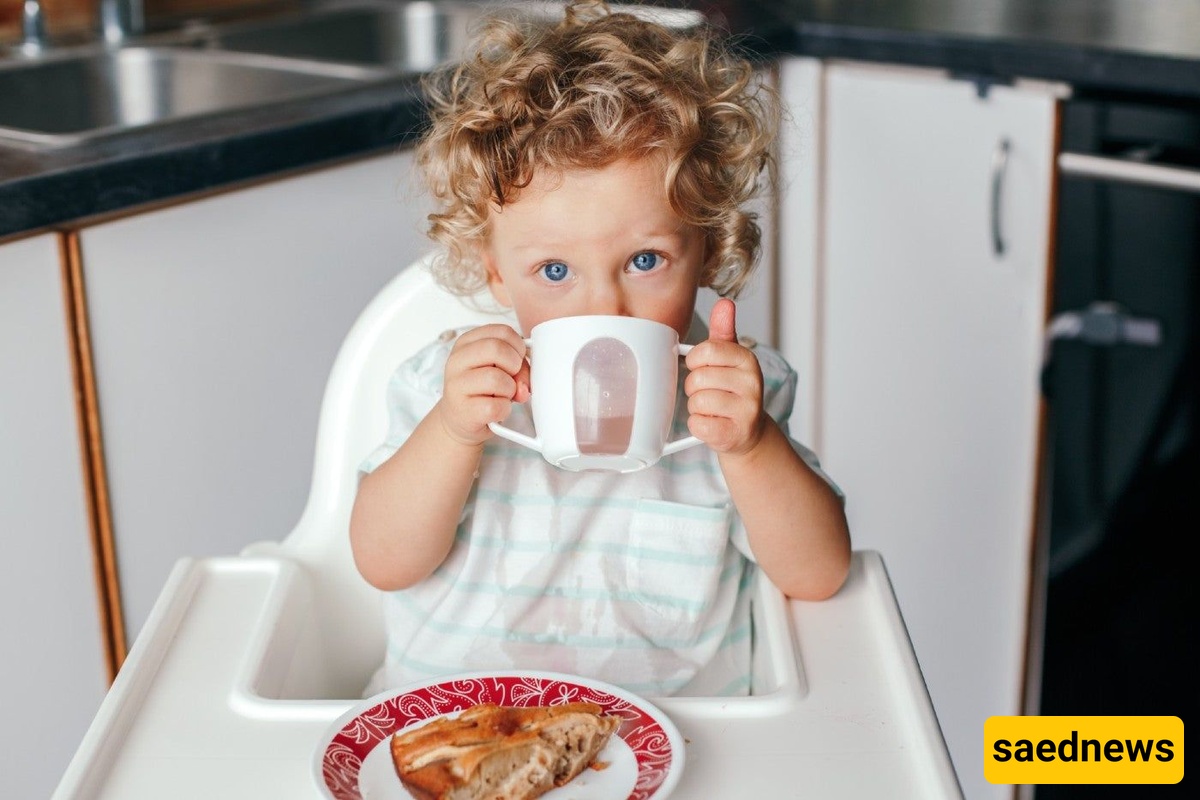
According to SAEDNEWS, children often become attached to specific cups, plates, bowls, or utensils. A familiar item can make a meal feel more comfortable because the child already knows its appearance, size, texture, and weight. Repeating the same choice can also create a sense of routine.
A child may prefer a particular plate simply because it has been used many times before. Familiar objects can reduce uncertainty and make everyday activities easier to understand. If the child associates the item with pleasant mealtimes, the preference may become even stronger.
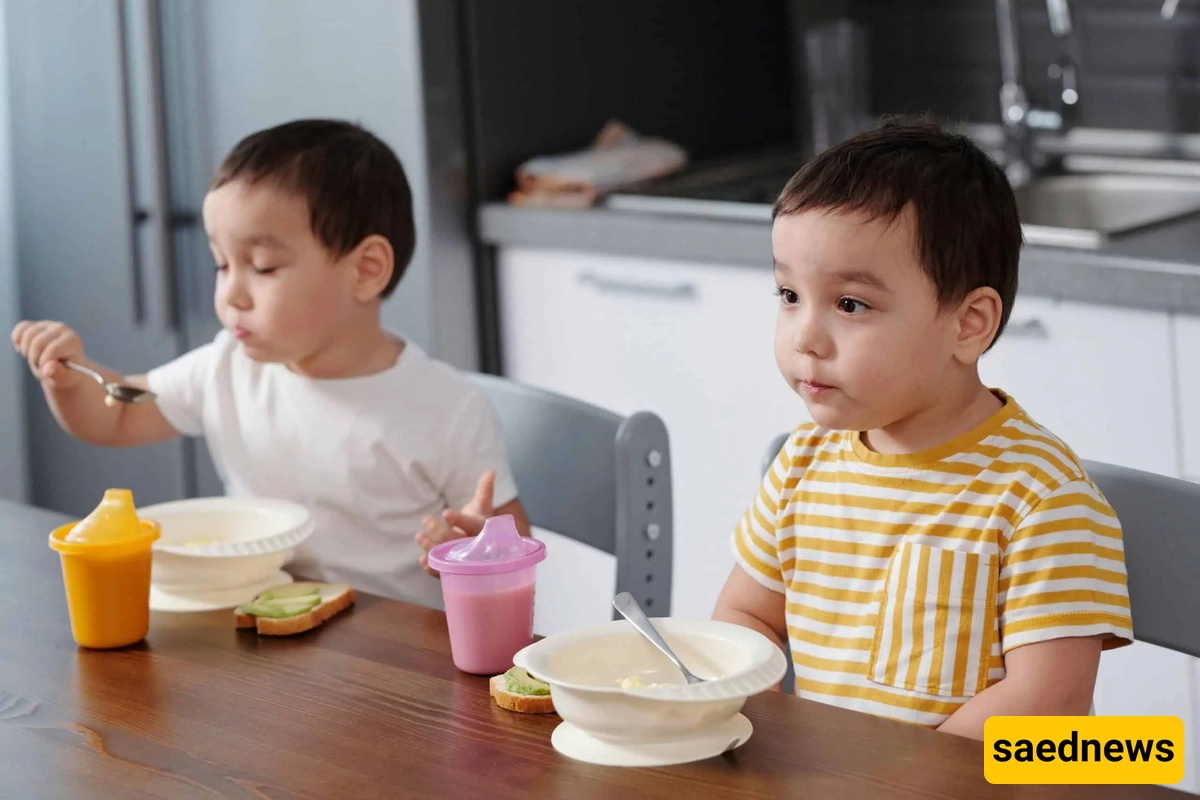
Choosing a favorite cup or plate can also be a simple way for children to express independence. Young children have limited control over many parts of their daily lives, so making small choices can feel important. Selecting their preferred dish gives them an opportunity to communicate what they want.
Children can notice differences that adults may overlook. The shape of a cup, the thickness of its edge, the texture of a plate, or even its weight may affect how comfortable it feels. A child may repeatedly choose one item because it feels better to hold or use.
Children often feel more comfortable when familiar routines are repeated. Using the same plate at mealtimes can become part of that routine. A sudden change may sometimes cause resistance, not because the new item is bad, but because it is unfamiliar.
There is usually no need to discourage a harmless preference. Parents can allow the child to use the favorite item while gradually introducing other suitable options. Offering two or three choices can help the child become comfortable with variety without turning mealtime into a struggle.