SAEDNEWS: Some children are lively, expressive, and talkative at home but become quiet or reserved when they are outside. Familiar surroundings can make children feel more secure, while unfamiliar people, places, or social situations may cause them to observe more before speaking.

According to SAEDNEWS, children often communicate more freely in environments where they feel comfortable and understood. Home is usually a familiar place where they know the people, routines, and expectations. As a result, a child may freely tell stories, ask questions, joke, or share opinions with family members.
Some children need more time to become comfortable in new surroundings. Rather than immediately joining conversations, they may watch other children and adults first. Quiet behavior does not necessarily mean that a child lacks communication skills. It can simply reflect a preference for understanding the situation before participating.
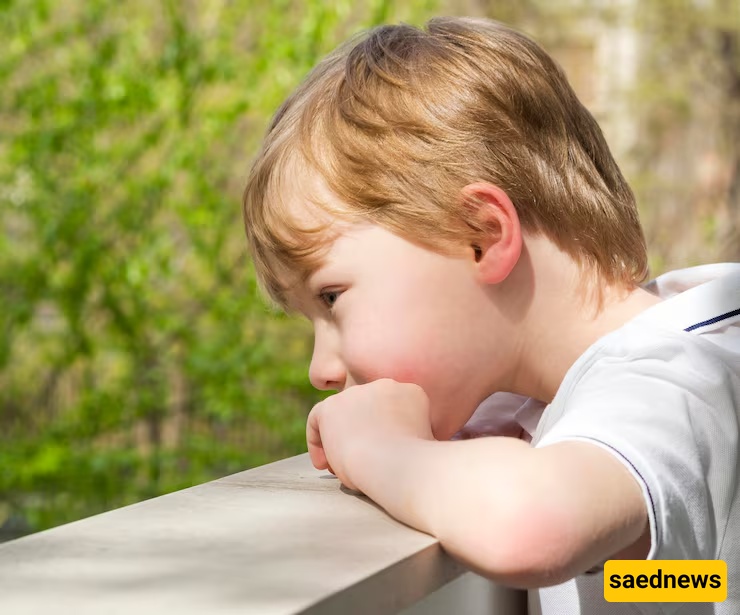
Children have different personalities and social styles. A child who is naturally cautious or reserved may speak extensively with familiar people but remain quieter in larger groups. Such children may become more talkative as they develop trust and become familiar with the people around them.
Being asked to speak in front of others, answer questions quickly, or interact with unfamiliar people can make some children uncomfortable. Even a normally talkative child may become quiet when they feel that others are watching or judging them. Giving the child enough time can make social situations easier.
Parents can support children by avoiding pressure or criticism about being quiet outside the home. Gentle encouragement, positive examples, and opportunities to interact gradually can help build confidence. If a child consistently avoids communication in many settings or seems significantly distressed by social situations, discussing the behavior with a qualified child-development professional may be helpful.