SAEDNEWS: Staying calm during difficult situations is not simply a matter of personality. People who handle pressure well often develop practical habits such as controlling their reactions, focusing on what they can influence, and giving themselves time to think before acting. These skills can make challenging moments easier to manage.

According to SAEDNEWS, calm people often avoid making immediate decisions when emotions are intense. They take a short pause, breathe slowly, and consider what is actually happening. Creating a little distance between an event and a reaction can prevent unnecessary arguments, rushed choices, and additional stress.
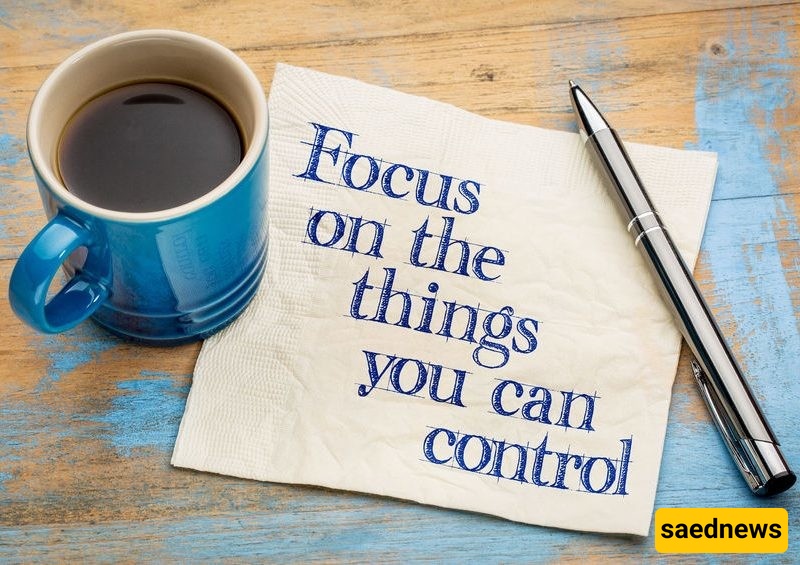
People who remain composed usually do not spend all their energy worrying about factors outside their control. Instead, they identify the actions available to them. Whether it involves organizing their tasks, asking for appropriate help, or changing their approach, concentrating on practical steps can create a stronger sense of control.
A challenging situation can feel overwhelming when it seems endless. Calm individuals remind themselves that circumstances can change. Rather than assuming that one difficult moment will determine everything that follows, they focus on getting through the present stage one step at a time.
Simple routines can provide structure when life becomes unpredictable. Regular sleep, balanced meals, physical activity, and sufficient rest can support emotional stability. Maintaining these basic habits gives the mind and body a more reliable foundation for dealing with pressure.
Staying calm does not mean ignoring problems or never feeling worried. Emotionally strong people recognize their feelings and then look for lessons within challenging experiences. After a difficult period, they may consider what worked, what could have been handled differently, and what they can do better next time. Over time, this approach can build confidence and make future challenges feel more manageable.