SAEDNEWS: Seasonal changes can affect sleep patterns through shifts in daylight, temperature, and daily routines. Making small adjustments to bedtime, morning habits, light exposure, and the sleeping environment can help the body maintain a more consistent and restful sleep schedule.
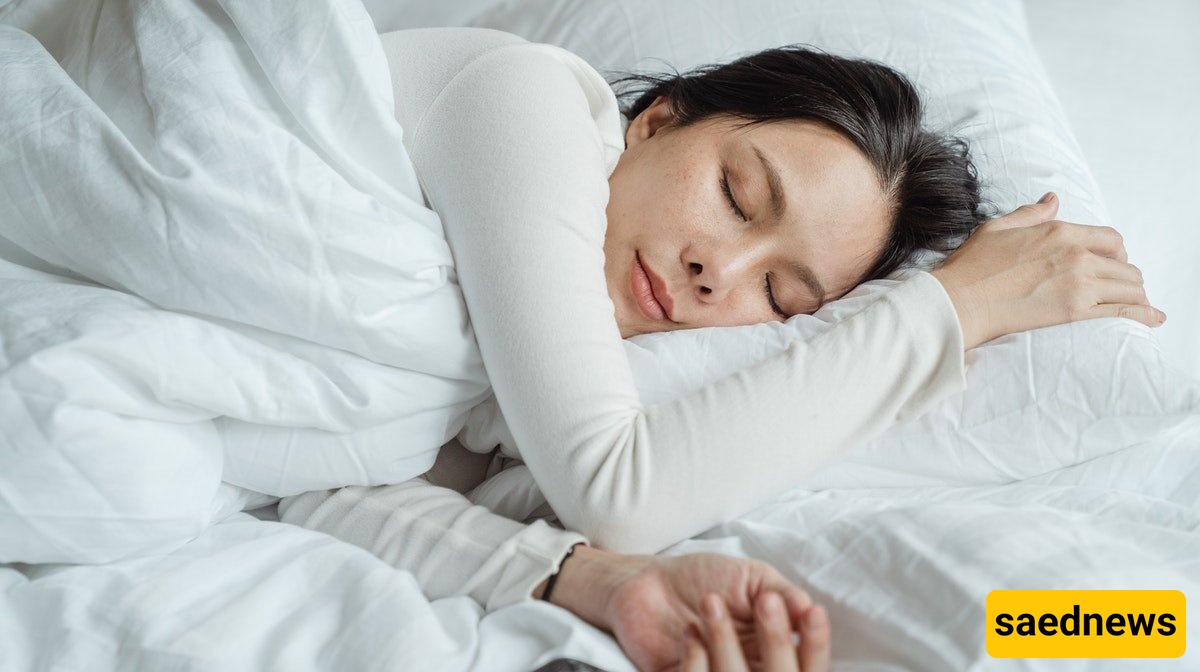
According to SAEDNEWS, changes in daylight throughout the year can influence the body's internal clock and affect when people naturally feel sleepy or alert. Longer summer days or shorter winter days may make it harder to maintain the same bedtime and wake-up schedule. Recognizing these changes can make it easier to adjust gradually rather than forcing an abrupt change.
When a new season changes your daily routine, shifting bedtime and wake-up time little by little can help the body adapt. Moving the schedule by around fifteen to thirty minutes every few days may feel more comfortable than making a large adjustment at once. Keeping wake-up times relatively consistent can also support a stable sleep rhythm.

Morning light is an important signal for the body's internal clock. Spending some time in natural daylight after waking can help the body distinguish between daytime and nighttime. During darker seasons, keeping the morning environment bright and maintaining a regular morning routine can also support better alignment with the new seasonal schedule.
Room temperature and bedding may need to change as the weather becomes warmer or cooler. A comfortable, quiet, and sufficiently dark bedroom can make falling asleep easier. Choosing breathable bedding during warmer periods and suitable layers during colder months can help prevent discomfort from disturbing sleep.
A calming evening routine can make seasonal transitions easier. Finishing demanding activities earlier, reducing unnecessary stimulation before bedtime, and following relaxing habits such as reading or gentle stretching can prepare the body for sleep. Most importantly, maintaining a regular schedule even on weekends can help preserve a healthy sleep pattern as the seasons change.