SAEDNEWS: Teaching children social manners helps them communicate respectfully, build positive relationships, and behave confidently in different situations. Simple daily practice, gentle guidance, and good examples can make these skills easier to learn.
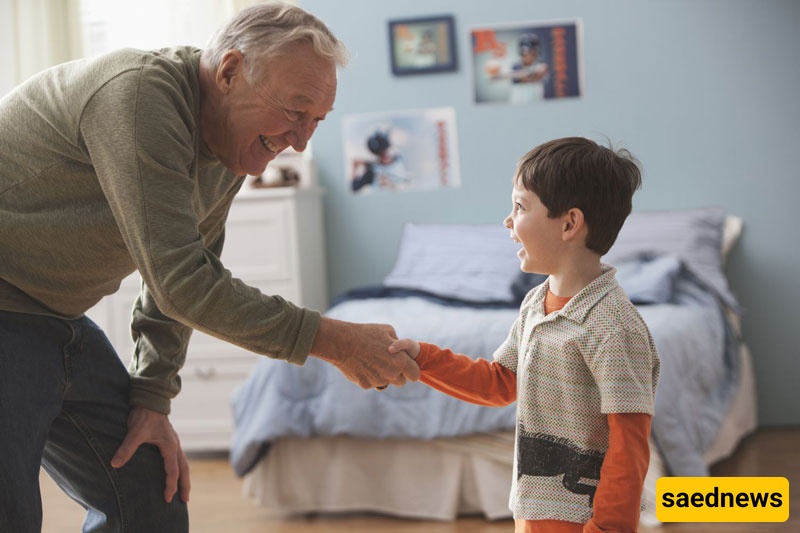
According to SAEDNEWS, children learn social manners gradually through everyday interactions with family members, relatives, teachers, and friends. Parents can introduce basic behaviors such as greeting others, saying “please” and “thank you,” listening carefully, and speaking politely. Clear explanations help children understand why respectful behavior matters.
Children often copy what they see around them. Adults can demonstrate respectful communication by listening without interrupting, using kind words, and showing consideration for others. Consistent examples make social rules easier for children to understand and practice naturally.
Role-playing can make learning social manners enjoyable. Parents can practice situations such as meeting someone new, asking for help, sharing toys, waiting for a turn, or joining a conversation. Repeating these situations helps children become more comfortable applying good manners in real life.
Teaching children to notice other people's feelings can strengthen their social skills. Parents can ask simple questions about how someone might feel after being helped, ignored, or treated kindly. Encouraging children to apologize after making a mistake and appreciate others' efforts also develops consideration and responsibility.
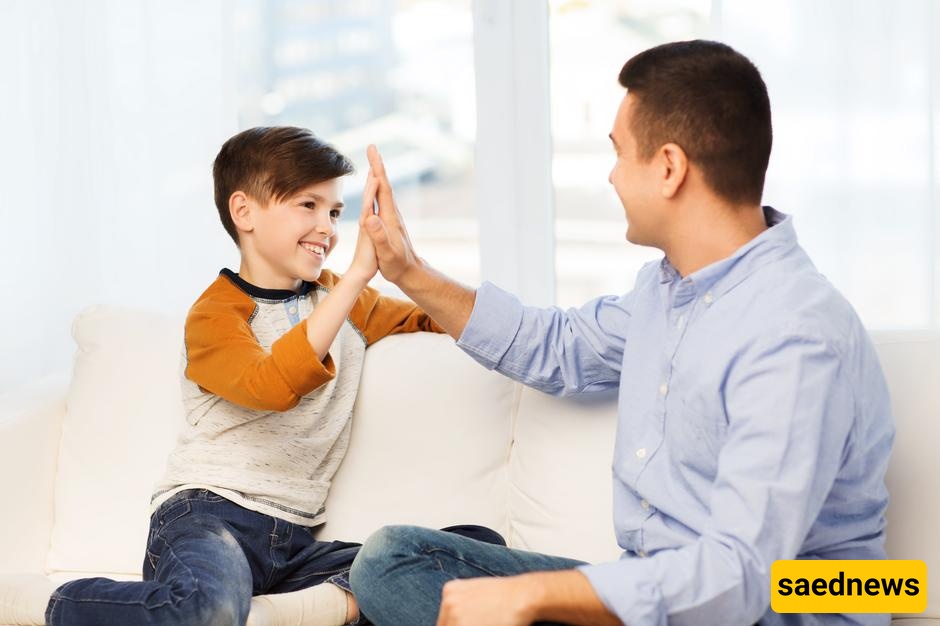
Positive feedback can motivate children to continue practicing good manners. Parents should recognize specific behaviors, such as waiting patiently, listening attentively, or greeting someone politely. Gentle correction is also useful when a child forgets a social rule, especially when it focuses on teaching rather than embarrassing the child.