SAEDNEWS: Play is more than entertainment; it is a universal language for children and a safe space for learning the skills that lay the foundation for their future social relationships.

According to Saednews, At first glance, play may seem like nothing more than a fun and purposeless activity. In reality, however, play is one of the deepest and most effective tools for learning during childhood.
When children play, they are not only enjoying their time; they are also building the foundations of their personality, relationships, and essential life skills for the future.
One of the most important areas strengthened through play is social development. Skills such as communication, empathy, cooperation, conflict resolution, and understanding social rules are all developed and nurtured through play.
This article explores this relationship in depth from a scientific perspective and examines the invaluable role of play in developing children's social skills.
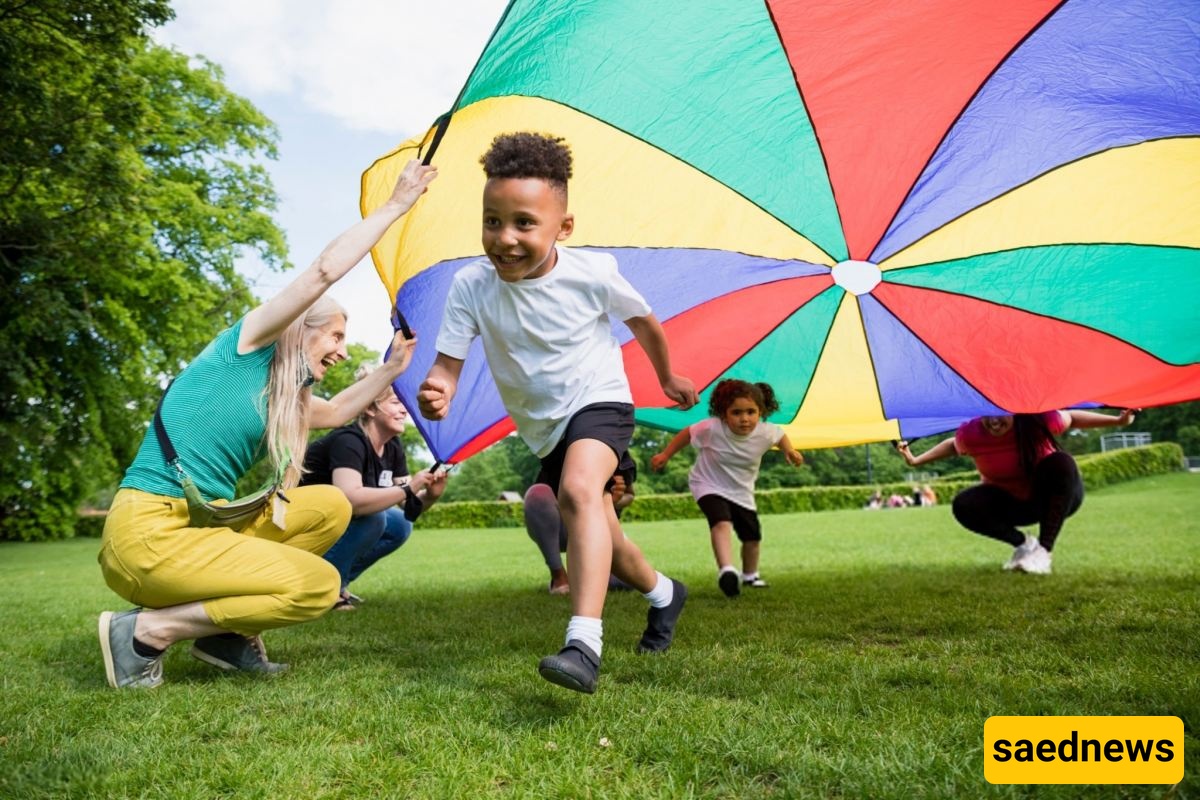
Before examining the role of play, it is important to understand why social skills matter. Social skills are the abilities that enable individuals to build effective and healthy relationships with others. They include:
Verbal and nonverbal communication: The ability to express thoughts and feelings
Empathy: Understanding the feelings and perspectives of others
Cooperation and teamwork: Working with others toward a shared goal
Conflict resolution: Managing disagreements constructively
Self-control and emotional regulation: Managing anger, frustration, and stress
Respect for rules and turn-taking: Accepting social structures and boundaries
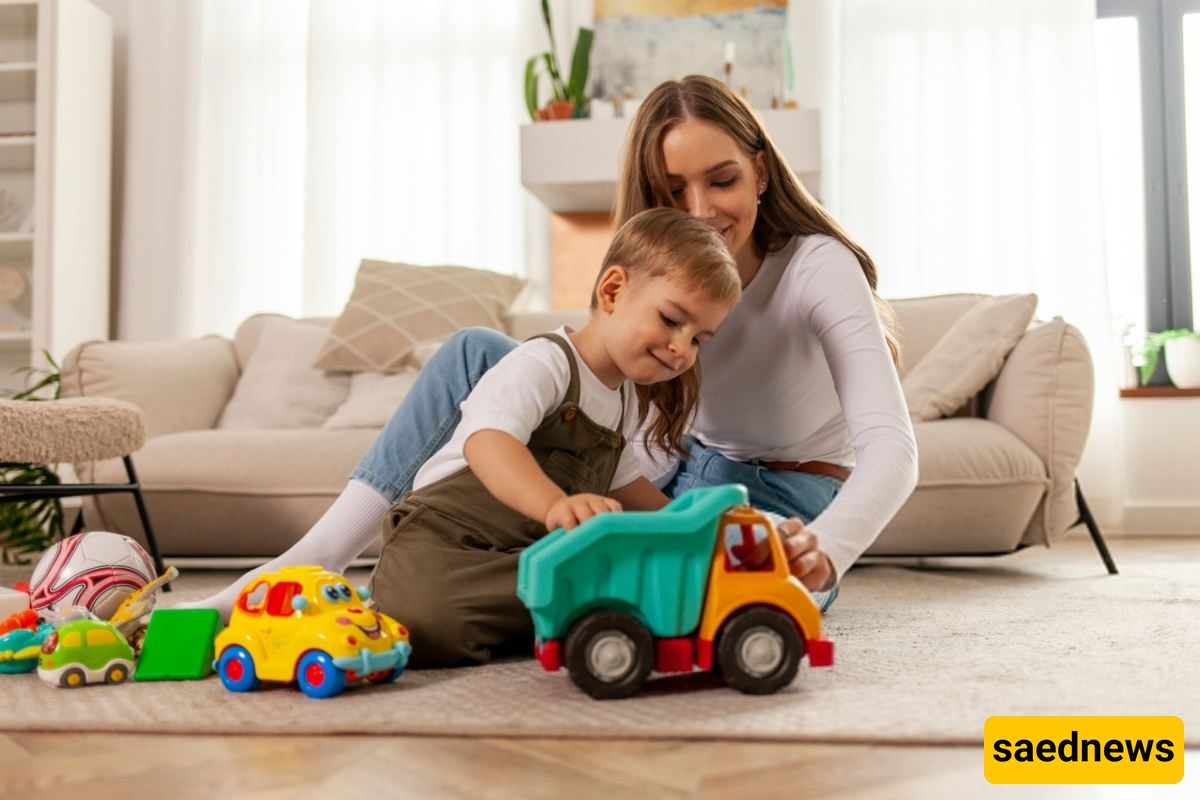
Children with strong social skills tend to perform better at school, develop more stable friendships, and experience better psychological and professional well-being later in life. In contrast, difficulties with these skills can contribute to isolation, anxiety, and behavioral problems.
Play has unique characteristics that make it an ideal environment for social development.
During play, children encounter situations that resemble real-life experiences without serious or frightening consequences. They can experiment with different roles, make mistakes, and learn from them without worrying about judgment or punishment. This sense of psychological safety encourages social risk-taking and creativity.
Children naturally participate in play because they find it enjoyable. When learning is driven by intrinsic motivation, it tends to be deeper and more lasting than forced learning. As a result, skills learned through play can become naturally embedded in a child's behavior and thinking.
Almost all group games involve ongoing interaction with others. Children need to communicate in order to start a game, coordinate activities, assign roles, and keep the game going. This repeated interaction provides valuable opportunities to practice communication and social skills.
Different forms of play strengthen different aspects of social development.
In pretend play, children take on different roles, such as a parent, doctor, teacher, or shopkeeper. These activities can have a powerful influence on social development.
Building empathy: When children act as someone else, they must put themselves in that person's position and consider situations from another perspective. This process forms the foundation of empathy.
Negotiation and compromise: Children must negotiate roles and develop a shared storyline, helping them practice skills that are essential for problem-solving and negotiation later in life.
Understanding social roles: Pretend play helps children understand the expectations and responsibilities associated with different social roles.
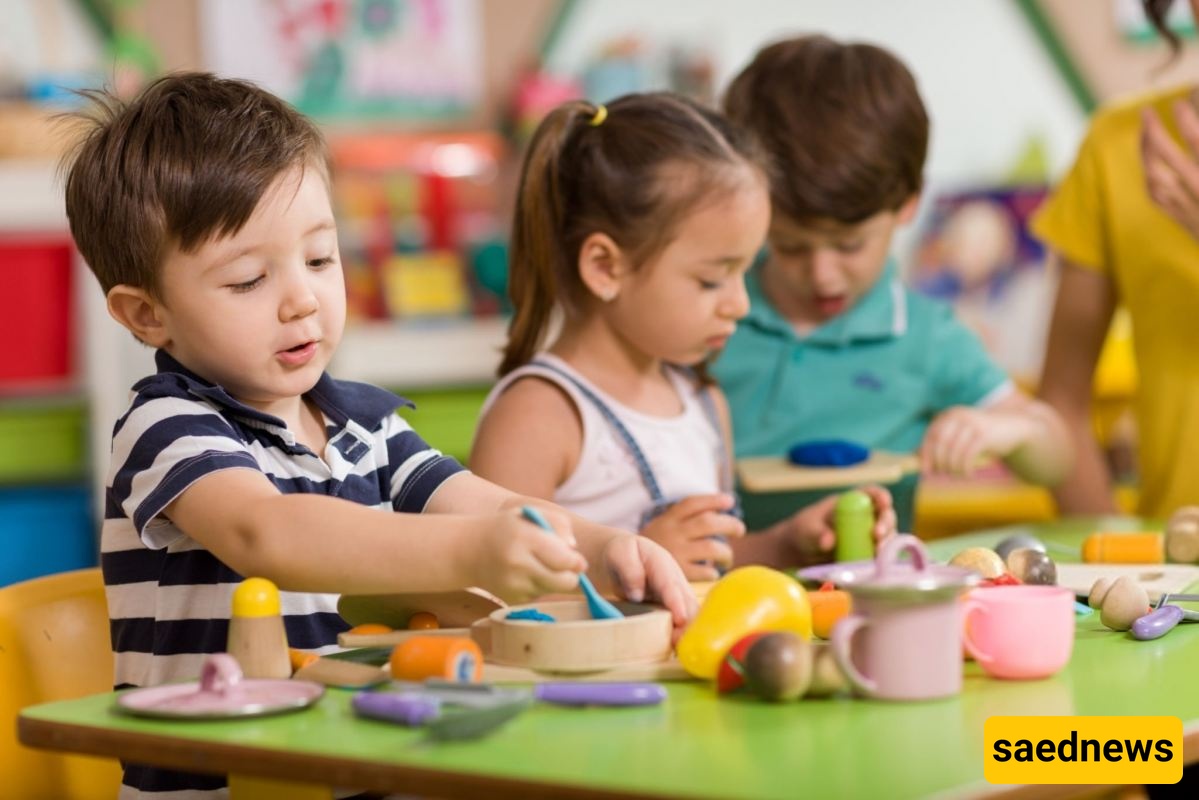
Games such as football, tag, and hide-and-seek become particularly important from around the age of six. They teach children:
Following rules: Children learn that games cannot function without agreed-upon rules and that respecting those rules helps everyone enjoy the activity.
Taking turns: This develops patience and respect for other people's rights.
Accepting winning and losing: Competitive games teach children how to cope with disappointment and celebrate success without arrogance. This is an important part of emotional resilience.
Fairness and justice: Experiencing unfair situations during games can help children develop a stronger understanding of fairness.
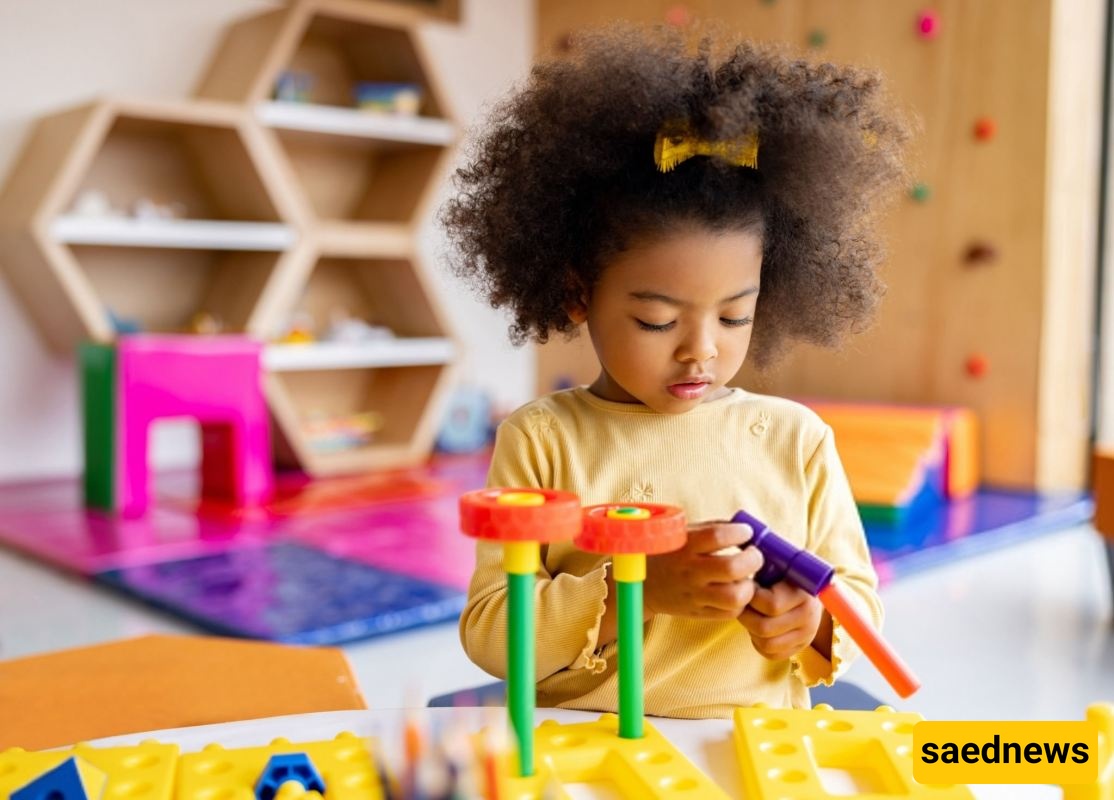
In cooperative games, such as building a tower together with LEGO or solving a puzzle as a team, the goal is collective success. These activities strengthen:
Teamwork and cooperation: Children learn to use their individual abilities to contribute to a shared goal.
Leadership and followership: Children experience both leading a group and participating as a group member, helping them understand the responsibilities associated with each role.
Active listening: Successful cooperation requires children to listen carefully to others and respond to their ideas.
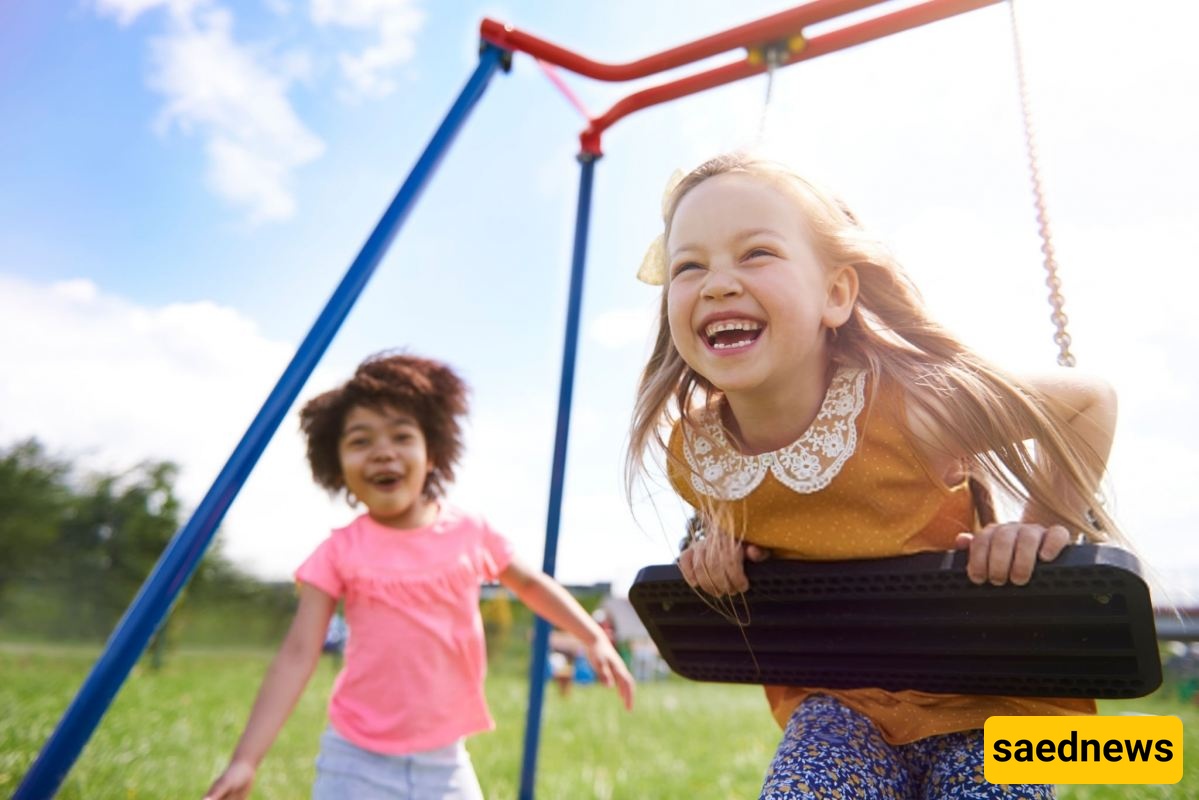
Physical activity supports not only physical health but also emotional regulation. Active play allows children to release excess energy, become familiar with their bodies, and learn about personal and social boundaries through respectful physical interaction.
Children who engage frequently in play have many opportunities to develop language and communication skills. They learn how to make requests, such as, "Can I play too?", suggest ideas, such as, "Let's build a castle," and express disagreement, such as, "I don't want to be the cat."
These everyday communication patterns provide an important foundation for effective communication later in life.
Pretend play is particularly valuable for developing empathy. When children notice that a friend is upset—for example, because their tower has fallen down—they learn to recognize that person's feelings and respond appropriately. This ability to recognize emotions and respond to them is a key component of emotional intelligence.
Disagreements are an inevitable part of play. Two children may want the same toy or disagree about what game to play. These situations give children opportunities to learn peaceful ways of resolving differences, including negotiation, compromise, voting, or seeking help from an adult.
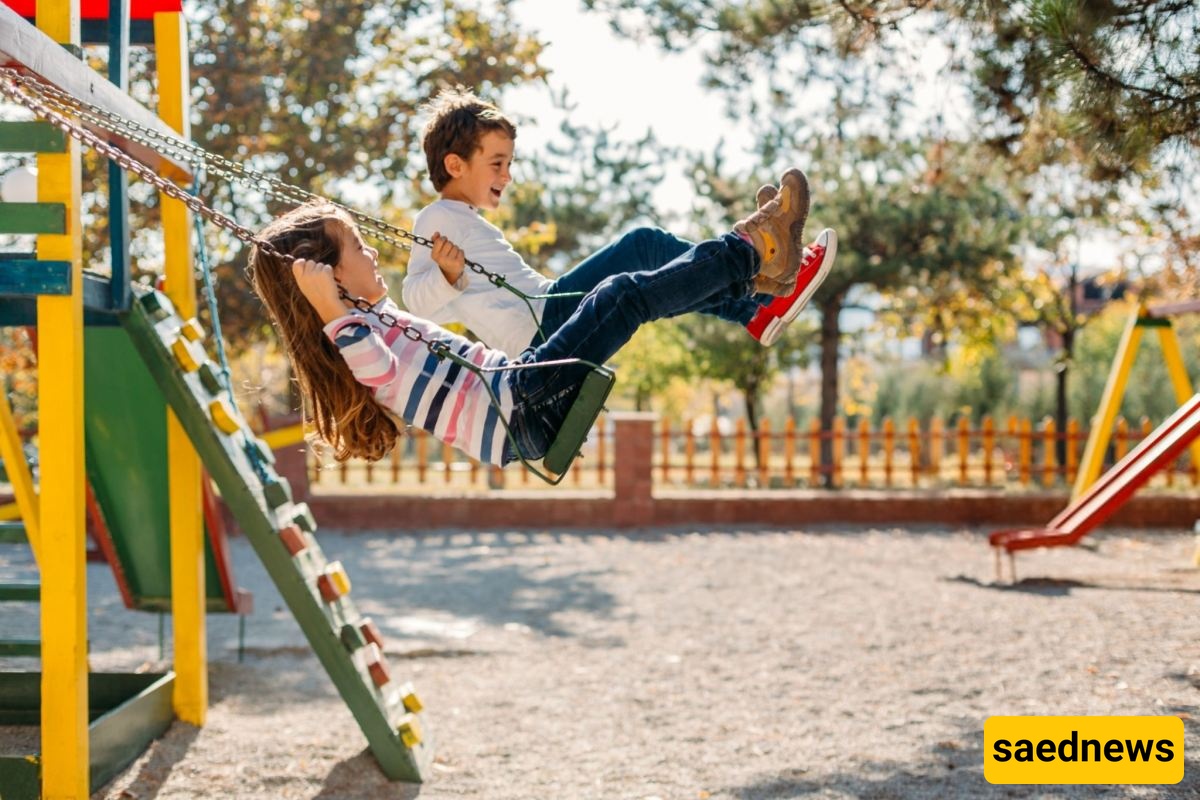
Each time a conflict is successfully resolved, a child's social confidence can grow.
During group games, children need to wait for their turn, control impulsive reactions, and find constructive ways to express frustration instead of becoming aggressive. Over time, this behavioral control can develop into a lasting habit.
Nobody wins every game. Experiencing failure in a safe and low-stakes environment teaches children that losing is not the end of the world but a normal part of life. They learn to try again and manage disappointment.
This skill, developed through competitive play, can become valuable when children face academic, professional, and personal challenges later in life.
Adults—including parents, caregivers, educators, and teachers—have an important role in this process. However, their role should be that of a facilitator rather than a controller.
Provide enough time and space for play: Children need sufficient time and a safe environment to become deeply engaged in play and benefit from its learning opportunities.
Create a supportive play environment: Providing toys and materials that encourage group play, such as balls, cooperative puzzles, costumes, and building sets, can be highly effective.
Model appropriate behavior: Adults can participate in play and demonstrate positive social behaviors such as taking turns, showing appreciation, and apologizing.
Reflect and talk about the experience: After play, adults can ask questions such as, "How did you feel when you had an argument?" or "How did you manage to build the tower?" Such conversations help children consciously process their experiences.
Minimize intervention in conflicts: Children should be given opportunities to try resolving disagreements themselves. Excessive adult intervention can prevent them from developing independent problem-solving skills.
Infancy and toddlerhood (0–2 years): Sensory play and face-to-face interaction with caregivers help establish secure attachment and basic trust. This trust provides a foundation for future social relationships.
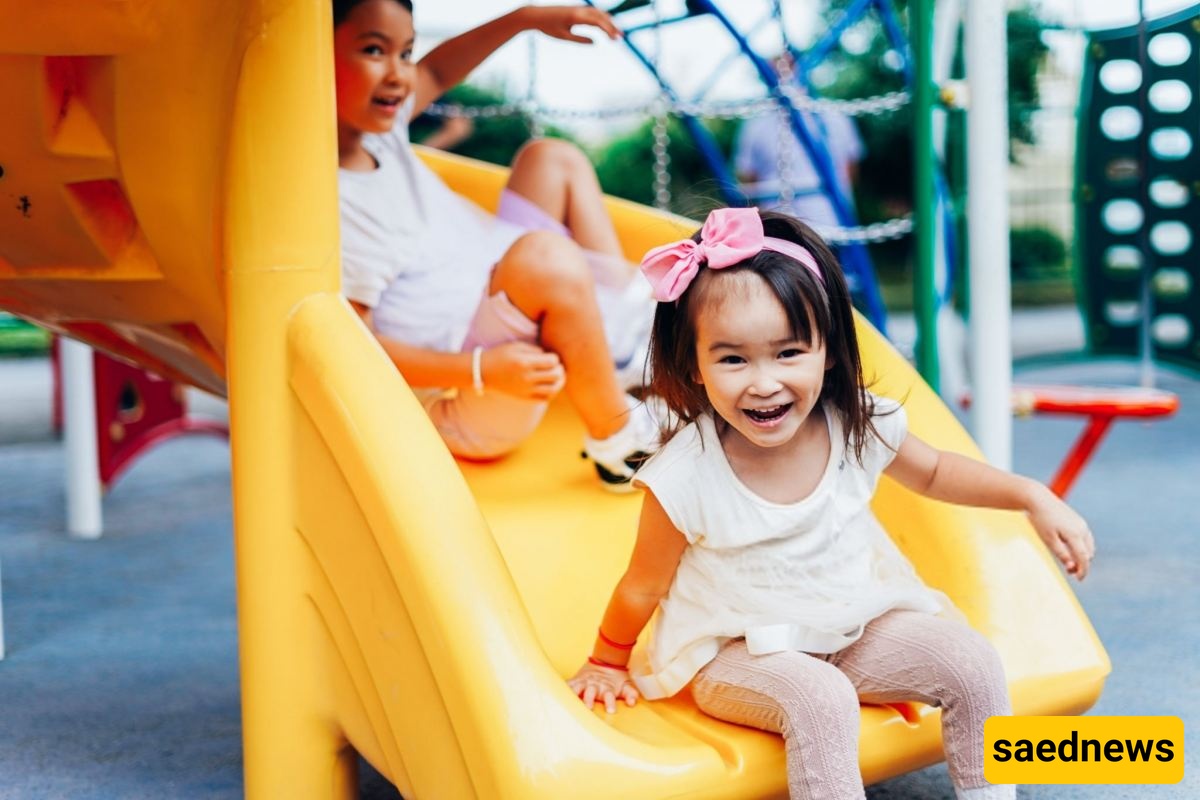
Preschool years (3–5 years): Parallel play gradually develops into more interactive play. Sharing, turn-taking, and empathy become important areas of learning.
School age (6–11 years): Rule-based games, healthy competition, and increasingly complex teamwork—such as team sports—become more prominent. Concepts such as fairness, responsibility, and loyalty to a group develop during this period.
Adolescence (12+ years): Strategy games, role-playing, and complex group activities can strengthen critical thinking, negotiation, and leadership skills.
Today, digital and video games occupy a significant portion of many children's leisure time. This subject requires a balanced perspective.
Opportunities: Some online multiplayer games can encourage cooperation and communication across distances. Strategy games can also strengthen planning and decision-making skills.
Challenges: Solo and purely competitive digital games may reduce opportunities for face-to-face interaction. In virtual environments, children may also have fewer opportunities to practice interpreting nonverbal cues such as facial expressions and tone of voice, which are important components of social communication.
Therefore, balance is essential. Parents should prioritize physical play, group activities, and face-to-face interaction while treating digital games as a supplement and setting reasonable time boundaries.
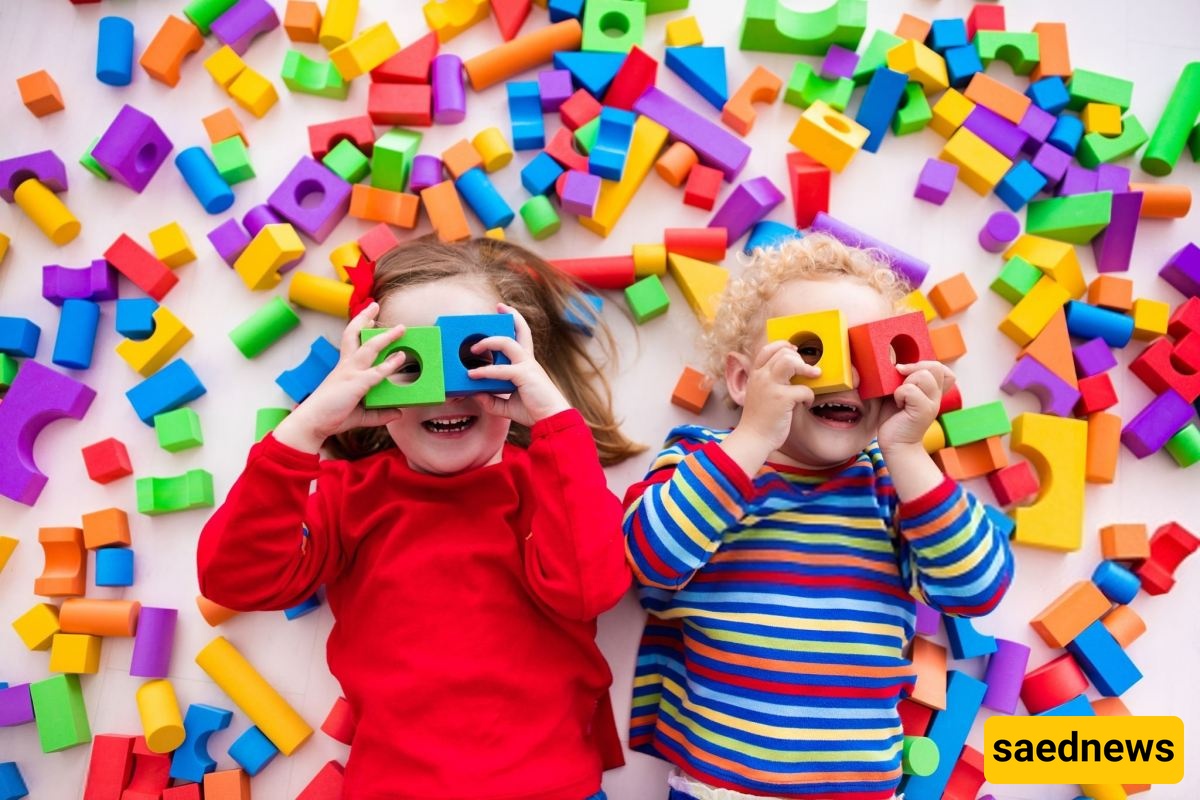
Play is far more than simple entertainment. It is a fundamental biological, psychological, and social need during childhood. Research in neuroscience and developmental psychology indicates that play helps prepare the brain for complex social interactions and develops skills that can be difficult to teach effectively in a traditional classroom.
Through play, children learn how to communicate with others, recognize and manage emotions, resolve disagreements constructively, and respect rules and the rights of others. Ultimately, play provides children with a natural environment in which they can practice the skills they need not only to succeed in childhood, but also to build healthy relationships throughout their lives.