SAEDNEWS: Thick, full eyebrows have always been considered attractive. Well-shaped, fuller eyebrows can enhance the beauty of your face, while thin and sparse eyebrows may make you look older and less appealing.
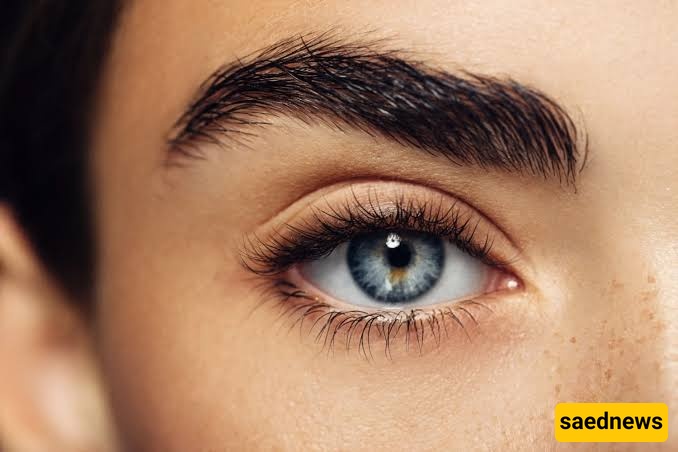
According to Saednews, Eyebrows play an important role in facial beauty, especially in defining and enhancing the eyes. Well-shaped eyebrows can completely change the appearance of the face. However, eyebrows can sometimes lose their natural shape, leaving sparse or patchy areas that make them difficult to style as desired.
The good news is that there are several approaches that may help support eyebrow growth and restore a fuller appearance. Eyebrows generally take around 6–8 weeks to begin noticeably growing back, although the exact rate varies from person to person. Before trying home remedies, however, it is important to make sure that eyebrow thinning is not related to an underlying medical condition.
Massage can be beneficial for both the skin and hair. To massage your eyebrows, gently brush them in the direction of hair growth using a small eyebrow brush. You can also use your fingertips to massage the brow area in small circular movements, moving outward toward the temples.
Almond oil can be used during the massage. Apply a small amount and massage the eyebrows twice a day. Leave the oil on for at least 15 minutes before washing your face. Almond oil contains nutrients such as vitamin E, calcium, vitamin D, and magnesium, which may help support healthy-looking hair.
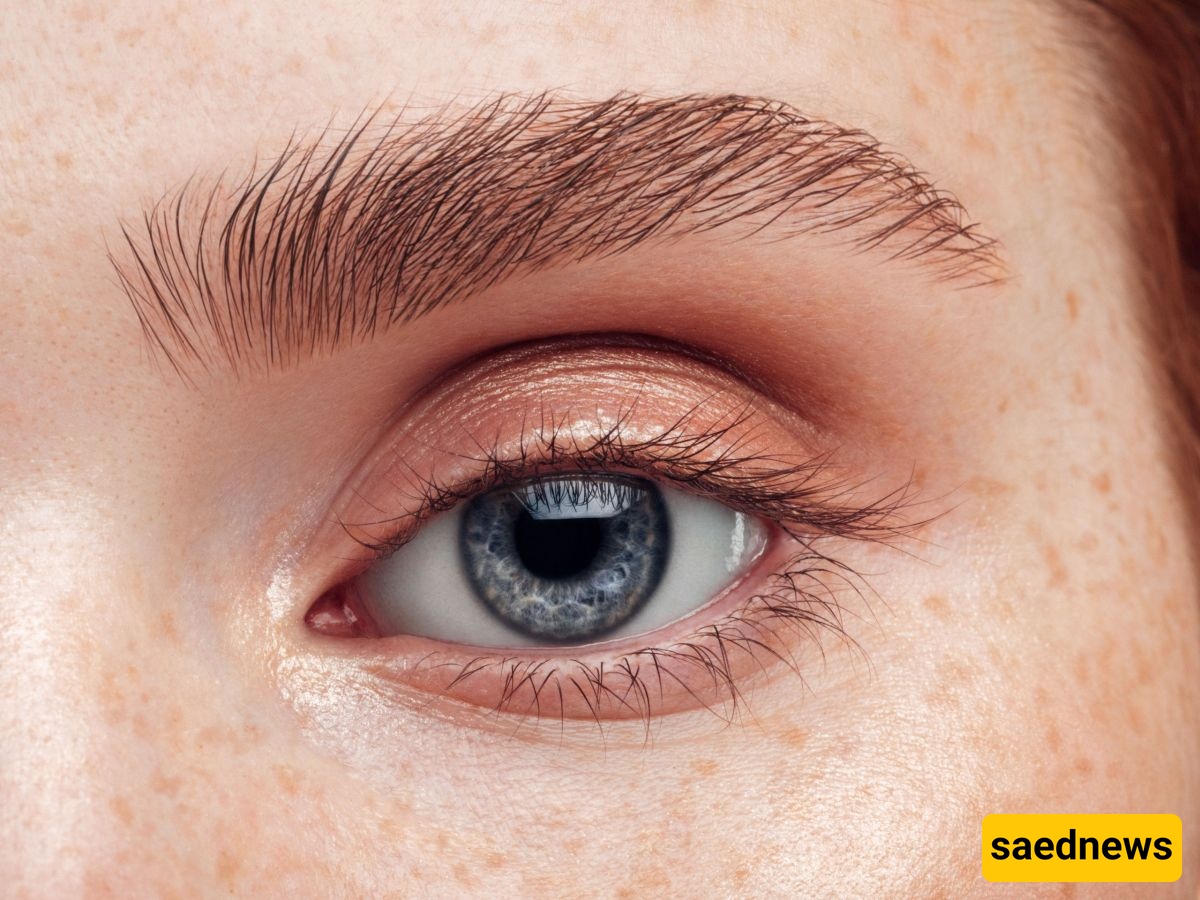
Petroleum jelly is another option that can make eyebrow hairs appear thicker and fuller. Unlike oils that are traditionally promoted for supporting hair growth, petroleum jelly mainly helps condition the hairs and improve their appearance.
Applying a small amount regularly can make sparse eyebrows look more uniform and defined.
Eyebrow hair loss can be concerning, but it is relatively common and can have many different causes. One possible cause is alopecia areata, an autoimmune condition in which the immune system mistakenly attacks hair follicles. Stress may also contribute to hair loss.
If eyebrow shedding is severe, sudden, persistent, or accompanied by other symptoms, it is best to consult a healthcare professional to determine the underlying cause.
Olive oil is often used as a natural conditioning treatment for eyebrows. Apply a very small amount to the roots of sparse areas, preferably using a cotton swab to keep the oil away from unwanted areas of the skin.
After applying it, gently brush the eyebrow hairs with a clean eyebrow brush or soft toothbrush. Many people use this treatment at night and wash the oil off in the morning.
Adequate nutrition is important for healthy hair growth. Vitamins and minerals such as vitamins A, C, E, B vitamins, iron, and protein all play roles in maintaining healthy hair and skin.
However, supplements are generally most useful when a nutritional deficiency exists. Taking high doses of vitamins without medical advice is not necessarily beneficial and can sometimes be harmful.
If your eyebrows are thinning significantly, consider speaking with a doctor. Depending on your symptoms, they may evaluate factors such as iron levels and thyroid function.
For example, an underactive thyroid can contribute to thinning hair, including eyebrow hair. Iron is also essential for transporting oxygen throughout the body and supporting normal hair growth. If you have an iron deficiency, treating it under medical supervision may help.
If you use an eyebrow pencil to create a fuller appearance, choose a shade that blends naturally with your eyebrow and hair color. A pencil with a suitably fine tip will make it easier to create realistic strokes.
Start at the thickest part of the eyebrow near the nose and use short, light strokes to fill sparse areas. Then gently blend the strokes with your fingertip or an eyebrow brush to create a softer, more natural finish.
Minoxidil is primarily used for treating certain types of hair loss on the scalp. Some people use it off-label on the eyebrows, but it can cause irritation and unwanted hair growth if it spreads to nearby skin. It should not be used around the eyes without appropriate medical guidance.
If you are considering minoxidil for eyebrow thinning, speak with a healthcare professional or pharmacist first rather than applying it routinely on your own.
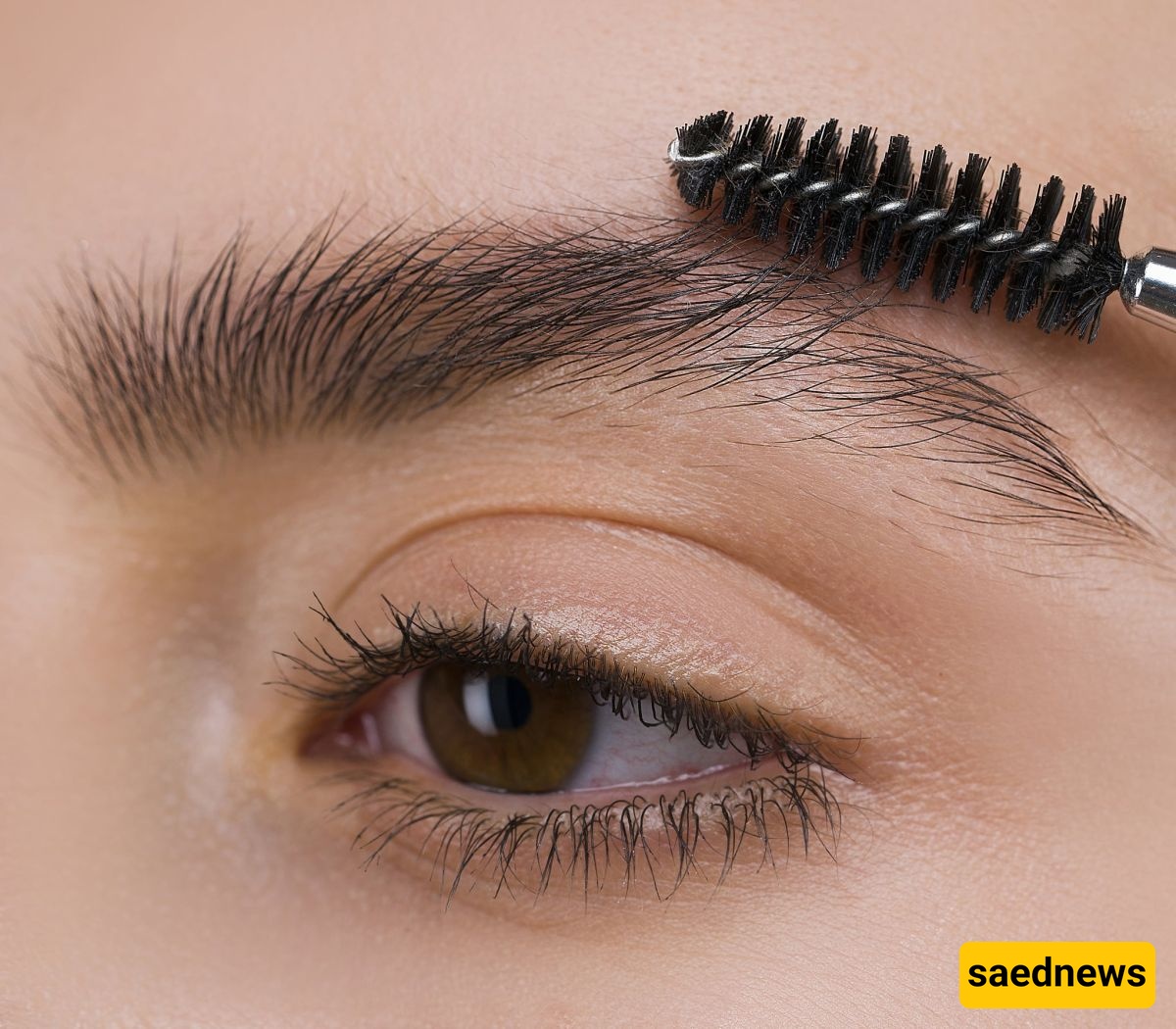
Castor oil is commonly promoted as a natural treatment for fuller eyebrows. It contains fatty acids and other compounds that can help condition the hair and skin.
Apply a small amount to each eyebrow with a clean cotton swab.
Gently massage the eyebrows for 2–3 minutes.
Leave it on for around 30 minutes or overnight if your skin tolerates it.
Wash it off with lukewarm water and a gentle cleanser.
Repeat regularly for several weeks.
Note: Stop using castor oil if it causes irritation, redness, itching, or burning.
Coconut oil can help moisturize and condition eyebrow hairs, making them look healthier and fuller.
Apply a few drops of coconut oil to your eyebrows.
Massage gently for several minutes.
Leave it on overnight.
Wash your eyebrows the following morning.
Repeat regularly for several weeks.
Olive oil contains vitamin E and can help moisturize and condition eyebrow hairs.
Before going to bed, gently massage a small amount of olive oil into your eyebrows for about five minutes. Leave it overnight and wash it off the next morning.
Another option is to combine a small amount of olive oil with a few drops of honey, apply it to the eyebrows, leave it for about 30 minutes, and then rinse with warm water.
Onion juice is sometimes used as a traditional home remedy for hair growth because onions contain sulfur compounds. However, scientific evidence specifically supporting onion juice for eyebrow growth is limited, and it can irritate sensitive skin.
If you choose to try it, apply a small amount carefully, keep it away from the eyes, and wash it off thoroughly if irritation occurs.
Hair is primarily made of keratin, a type of protein, and eggs are a source of dietary protein. Egg-based treatments are sometimes used as a conditioning remedy for hair.
Separate the yolk from the egg white.
Beat the yolk until smooth.
Apply a small amount to the eyebrows with a clean cotton swab.
Leave it on for 15–20 minutes.
Rinse thoroughly with cool water.
Use occasionally rather than excessively.
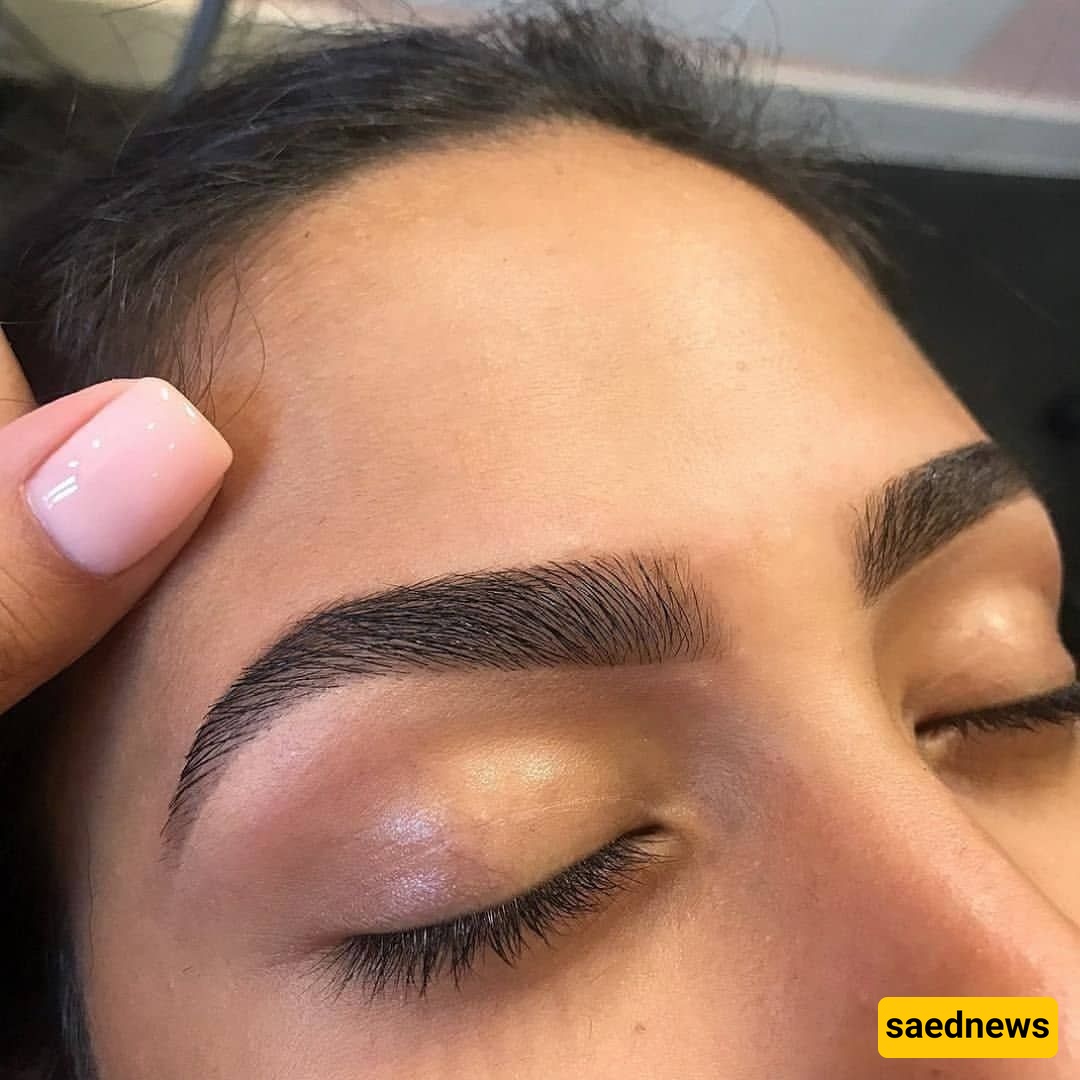
Fenugreek seeds contain protein and other plant compounds and are traditionally used in hair-care remedies. Evidence for their ability to stimulate eyebrow growth is limited.
A traditional treatment involves soaking a teaspoon of fenugreek seeds for several hours, grinding them into a paste, and mixing the paste with a small amount of coconut or almond oil. Apply it to the eyebrows before bed, leave it overnight, and wash it off in the morning.
Aloe vera can moisturize the skin around the eyebrows and condition the hairs.
Apply a small amount of pure aloe vera gel to the eyebrows and gently massage it in. Leave it for approximately 30 minutes before rinsing with lukewarm water.
You can also combine aloe vera gel with a small amount of coconut oil. If you have sensitive skin, test the mixture on a small area first.
Lemon contains vitamin C and other nutrients, but applying lemon juice directly to the skin can cause irritation and increase sensitivity to sunlight. There is also limited evidence that lemon juice stimulates eyebrow growth.
For this reason, direct application around the eyes should be approached with caution, and lemon juice should never be allowed to enter the eyes.
Milk contains protein and other nutrients, but there is limited evidence that applying milk directly to the eyebrows promotes hair growth.
If used as a cosmetic conditioning treatment, apply a small amount with clean cotton, allow it to dry, and rinse thoroughly with warm water.
A nutritious diet provides the building blocks needed for healthy hair growth. Include a variety of foods containing:
Vitamin A: carrots, sweet potatoes, and red peppers
Vitamin C: citrus fruits, peppers, broccoli, papaya, and oranges
Vitamin E: almonds, peanuts, spinach, basil, and olives
Protein: yogurt, cheese, tofu, beans, and lentils
Omega-3 fatty acids: walnuts, avocado, olive oil, and fatty fish
Iron: meat, fish, leafy green vegetables, and other iron-rich foods
Gently massage your eyebrows in circular movements following the direction of hair growth.
Avoid excessive plucking or waxing while trying to regrow sparse areas.
Avoid rubbing or scratching the eyebrow area.
Use makeup products gently and avoid applying excessive pressure with an eyebrow pencil.
Keep your eyebrow tools clean to reduce the risk of irritation.
Manage stress, as significant stress can contribute to hair shedding.
Get adequate sleep and stay properly hydrated.
Avoid taking high-dose vitamins or supplements unless recommended by a healthcare professional.
Important: Natural remedies do not necessarily have proven effects on eyebrow growth, and some can cause allergic reactions or skin irritation. Persistent or sudden eyebrow loss should be evaluated by a healthcare professional, particularly when it occurs along with scalp hair loss or other symptoms.