SAEDNEWS: In this article, we take an in-depth look at the calories, nutritional composition, health benefits, and potential drawbacks of nectarine fruit leather, along with practical tips for enjoying it wisely as part of a balanced diet.
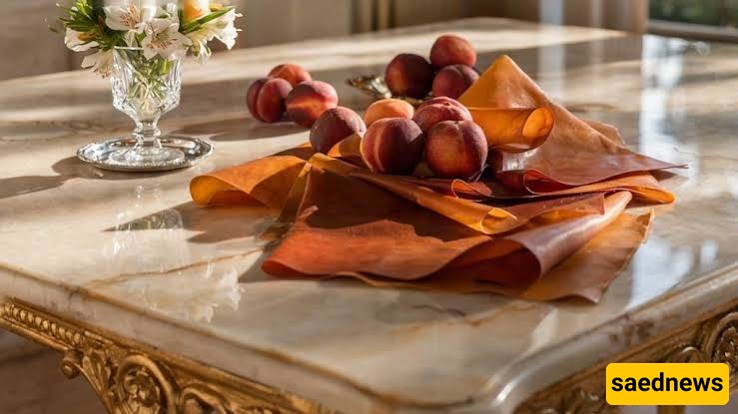
According to Saednews, Lavashak, one of Iran’s most traditional and popular fruit snacks, has long held a special place in Iranian households. Among its many varieties, nectarine lavashak is particularly popular because of its balanced flavor, appealing aroma, and attractive color.
But one important question often comes up, especially among people who are trying to maintain a healthy weight or follow a specific diet: How many calories does nectarine lavashak contain, and what is its nutritional value?
Understanding its calorie content and ingredients can help you enjoy this flavorful snack more mindfully. Because lavashak is made from fruit, many people assume it is automatically a low-calorie and harmless snack. The reality, however, is somewhat more complicated.
Turning fresh fruit into lavashak significantly changes the concentration of its nutrients and calories. This article examines the approximate calorie content and nutritional profile of nectarine lavashak, the differences between homemade and commercial varieties, its potential benefits and drawbacks, and practical tips for including it in a balanced diet.
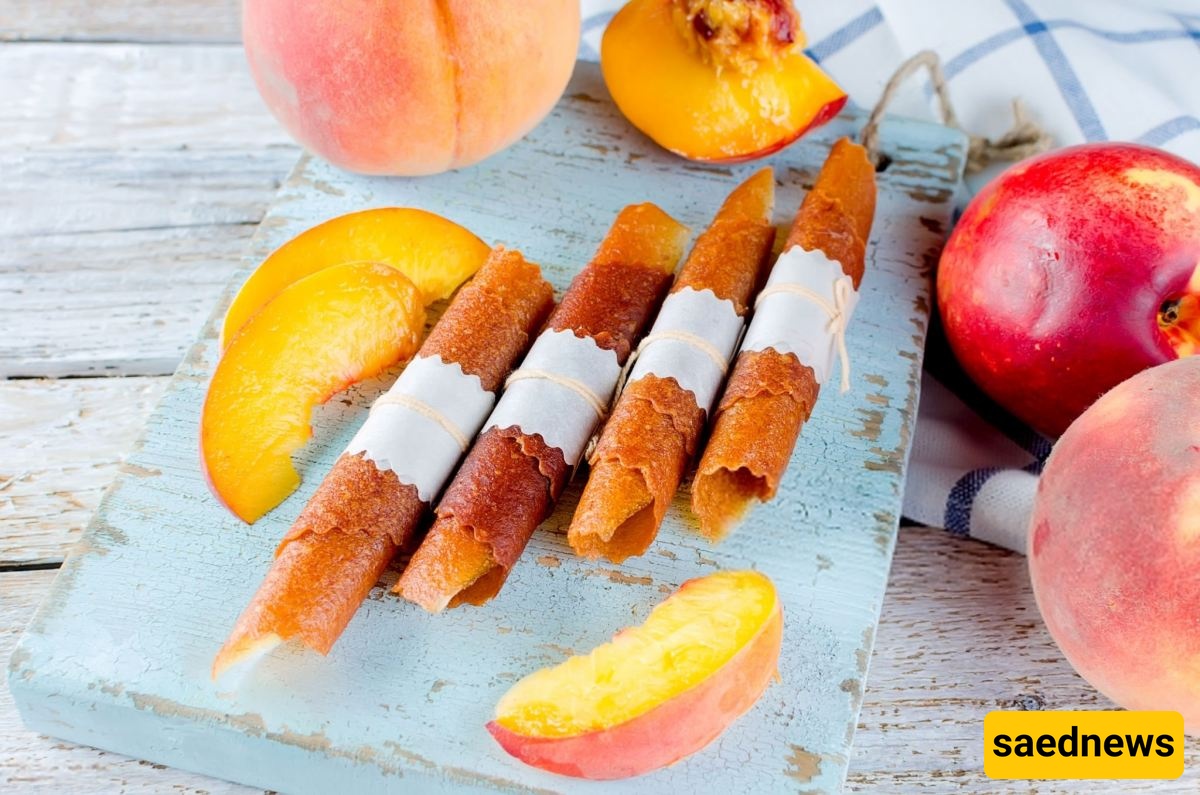
The exact calorie content of nectarine lavashak varies depending on several factors, including the amount of added sugar, its thickness, and whether it is homemade or commercially produced.
As a general guide:
Homemade nectarine lavashak, made without added sugar or with very little sugar, contains approximately 250–300 calories per 100 grams.
Commercial nectarine lavashak, particularly products containing added sugar and other ingredients, may contain approximately 320–400 calories per 100 grams.
The main reason is the dehydration process.
A 100-gram serving of fresh nectarines contains only about 45–50 calories, and approximately 85–90% of the fruit is water. Producing 100 grams of lavashak may require roughly 300–400 grams of fresh nectarines.
When water is removed, the fruit's natural sugars, including fructose and sucrose, become concentrated in a much smaller volume. As a result, 100 grams of lavashak represents a large amount of fresh fruit but is considerably less filling by volume.
Commercial products may also contain added sugar or glucose syrup to improve flavor, texture, and shelf life, which can further increase their calorie density.
Although nectarine lavashak is more calorie-dense than fresh fruit, it can still provide certain nutrients and beneficial plant compounds.
Approximate values per 100 grams of homemade nectarine lavashak include:
Carbohydrates: approximately 70–80 grams, consisting largely of natural and added sugars.
Dietary fiber: approximately 6–8 grams.
Potassium: approximately 250–300 milligrams.
Vitamin A: provided partly in the form of beta-carotene, which supports normal eye and skin health.
Vitamin C: some vitamin C may be lost during heating, although gentle preparation can help preserve a portion of it.
Iron and calcium: present in small to moderate amounts.
When the fruit skin is retained during preparation, lavashak may contain more fiber and antioxidant compounds than products made solely from the fruit flesh.
Despite its relatively high calorie density, moderate consumption of nectarine lavashak can offer some nutritional advantages.
Because lavashak contains concentrated carbohydrates and natural sugars, it can provide relatively quick energy. This may make it convenient as an occasional snack before physical activity.
The fiber retained from the fruit can support normal digestive function and contribute to regular bowel movements.
Nectarines contain various antioxidant compounds, including carotenoids and other plant compounds. These substances help protect cells from oxidative stress.
Potassium is an essential mineral involved in normal muscle function, nerve signaling, and fluid balance.
One of the most important considerations when evaluating lavashak is how it was prepared.
Homemade lavashak can be made primarily from nectarines, with a small amount of salt and, depending on preference, little or no sugar.
Because you control the ingredients, you can reduce added sugar and avoid unnecessary preservatives or artificial colors.
Commercial products can vary considerably. Some contain added sugar, glucose syrup, citric acid, artificial coloring, preservatives, or other ingredients used to modify flavor, texture, and shelf life.
Therefore, the nutrition label is important when choosing a packaged product. Products with large amounts of added sugar can be significantly more calorie-dense than homemade versions.
Nectarine lavashak can be part of a balanced diet, but eating large amounts may have some disadvantages.
Lavashak contains concentrated carbohydrates and sugars. Products with added sugar can have an even greater effect on blood glucose. People with diabetes should pay particular attention to portion size and the product's nutrition label and follow their healthcare professional's dietary advice.
Because lavashak is concentrated, it is easy to consume a substantial amount of calories without feeling as full as you would after eating the equivalent amount of fresh fruit.
Lavashak can be sticky and may remain on the teeth, while its sugars can contribute to an environment that promotes tooth decay. Rinsing the mouth with water after eating it and maintaining good oral hygiene can be helpful.
The acidity of some lavashak varieties may aggravate symptoms in people who are sensitive to acidic foods or experience conditions such as acid reflux.
Yes. Lavashak does not necessarily have to be eliminated from a weight-loss diet. The key is portion control and choosing a suitable product.
A practical serving is around 20–30 grams, roughly the size of a small palm. Depending on the recipe, this may provide approximately 75–120 calories.
If possible, choose homemade lavashak prepared with little or no added sugar. For packaged products, look for labels such as “no added sugar”, while still checking the nutrition facts because the fruit itself contains natural sugars.
Lavashak can work as an occasional snack before physical activity. It can also be eaten in a small portion at breakfast as an alternative to sweeter spreads.
However, there is no need to assume that eating calories late at night automatically causes them to turn directly into fat. Total calorie intake, overall dietary quality, and physical activity are more important factors for weight management.
Combining a small amount of lavashak with foods containing protein, healthy fats, or fiber—such as a few almonds or walnuts—may make the snack more satisfying and can slow the overall absorption of carbohydrates.
Nutrient | Fresh Nectarine | Homemade Lavashak, No Added Sugar | Commercial Lavashak With Sugar |
|---|---|---|---|
Calories | ~45 kcal | ~270 kcal | ~380 kcal |
Carbohydrates | ~11 g | ~70 g | ~85 g |
Sugars | ~9 g | ~55 g | ~70 g |
Fiber | ~1.5 g | ~7 g | ~4 g |
Potassium | ~190 mg | ~300 mg | ~200 mg |
These values are approximate and can vary substantially depending on the fruit, preparation method, moisture content, and ingredients used.
Nectarine lavashak is a flavorful traditional snack that can fit into a healthy diet when consumed in moderation. However, it should not be considered nutritionally identical to fresh nectarines.