SAEDNEWS: The skin is the body’s largest organ. It protects against pathogens, prevents water loss, senses touch, regulates temperature, supports vitamin D production, and shields the body from UV radiation.
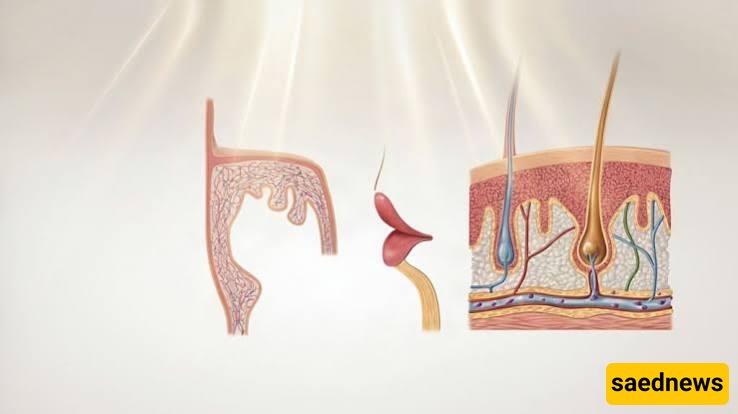
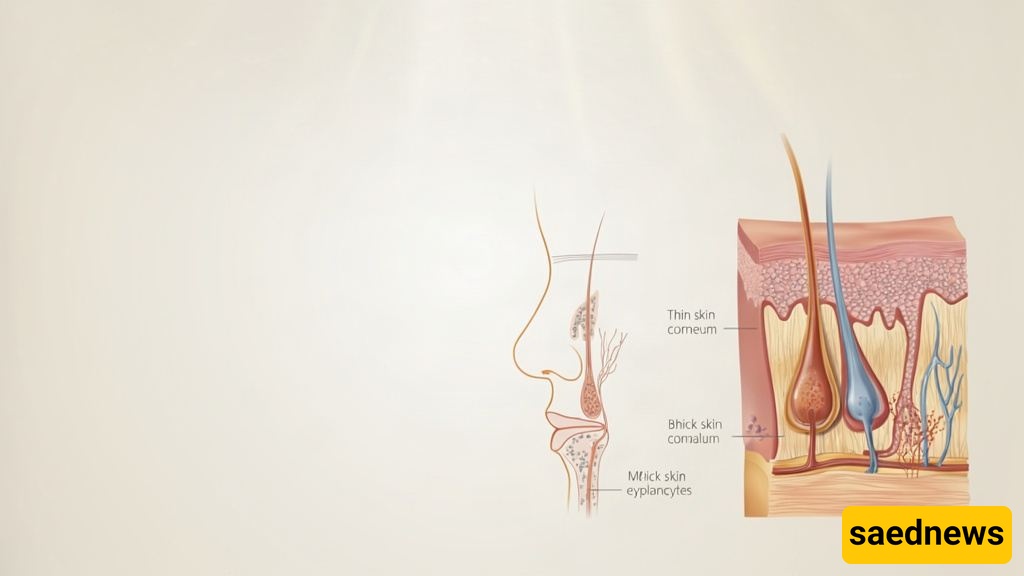
According to Saednews, One important point when learning about skin is that it does not have exactly the same characteristics everywhere on the body. Although the basic structure and layers of the skin are similar throughout the body, its thickness varies considerably depending on the location.
For example, the skin around the eyes and on the lips is thinner than most other facial areas, while facial skin is generally thinner than the skin covering the rest of the body. Some areas, such as the genital region, have particularly thin and sensitive skin, whereas areas like the elbows and knees have much thicker skin.
Generally, the thinner the skin, the more sensitive and vulnerable it is to irritation and damage. This is why body-care products are not necessarily suitable for the face, and facial creams should not be applied around the eyes unless the product is specifically designed for that area.
The skin is much more than an outer covering. It is a complex organ that performs several essential functions that help protect and maintain the health of the entire body.
The skin acts as one of the body's first lines of defense against harmful microorganisms such as bacteria, viruses, and fungi.
A community of beneficial microorganisms, known as the normal skin flora, naturally lives on the skin's surface. These microorganisms can produce antimicrobial substances that help limit the growth of harmful invaders.
Sebum, the oily substance produced by the skin's sebaceous glands, also contributes to this protective environment. Because of its chemical properties, it can make the skin less favorable for certain harmful bacteria.
One of the skin's most important roles is helping the body retain water.
Internal organs require adequate hydration to function properly, and the skin's outer barrier helps reduce excessive water loss through evaporation. Maintaining this barrier is therefore essential for both healthy skin and overall fluid balance.
The skin surrounds and protects the body's internal structures from the outside environment.
It acts as a physical shield against factors such as friction, minor injuries, environmental exposure, and other external stresses. In this way, the skin provides an important layer of protection for the tissues and organs beneath it.
The skin contains numerous sensory receptors that allow us to detect changes in our surroundings.
Through these receptors, we can perceive sensations such as:
Temperature changes
Pressure and touch
Pain
Other forms of physical stimulation
This sensory system also serves an important protective purpose. For example, feeling extreme heat or cold allows us to react before prolonged exposure causes serious tissue damage.
The skin has its own natural defense mechanism against ultraviolet (UV) radiation from sunlight.
Cells called melanocytes, located primarily in the epidermis, produce a pigment called melanin. Melanin contributes to skin color, and higher levels generally result in darker pigmentation.
Melanin also helps protect skin cells by absorbing and dissipating some UV radiation. This reduces, but does not eliminate, the risk of UV-related cellular damage, premature skin aging, and skin cancer.
This is also why skin becomes darker after sun exposure. Increased UV exposure can stimulate greater melanin production, resulting in what is commonly called a tan. However, tanning is still a response to UV exposure and does not replace the need for proper sun protection.
Sweating is another important function of the skin.
When sweat evaporates from the skin's surface, it helps cool the body and regulate its temperature. This mechanism becomes particularly important during exercise, hot weather, or other situations in which body temperature rises.
Although sweat contains various substances that the body excretes, its primary physiological role is temperature regulation rather than detoxification.
The skin also plays a major role in producing vitamin D.
When skin is exposed to UVB radiation from sunlight, it can initiate the process through which the body produces vitamin D. This vitamin is important for several aspects of health, particularly calcium metabolism and maintaining strong bones.
Vitamin D also has important roles in immune function and other biological processes. However, excessive sun exposure increases the risk of skin damage, so obtaining vitamin D should be balanced with appropriate protection from UV radiation.
From preventing excessive water loss and blocking harmful microorganisms to detecting pain, regulating temperature, and contributing to vitamin D production, the skin performs a remarkable range of functions.
Understanding how skin thickness and sensitivity vary across different parts of the body also explains why skincare should be adapted to each area. Healthy skin is not simply about appearance—it is an essential part of the body's overall defense and physiological balance.