SAEDNEWS: The simple act of delaying an alarm for “five more minutes” reveals a complex interaction between sleep biology, emotions, and the brain’s desire for comfort. Researchers are discovering that snoozing is not only about avoiding waking up — it is also connected to how people manage morning stress and sleep inertia.
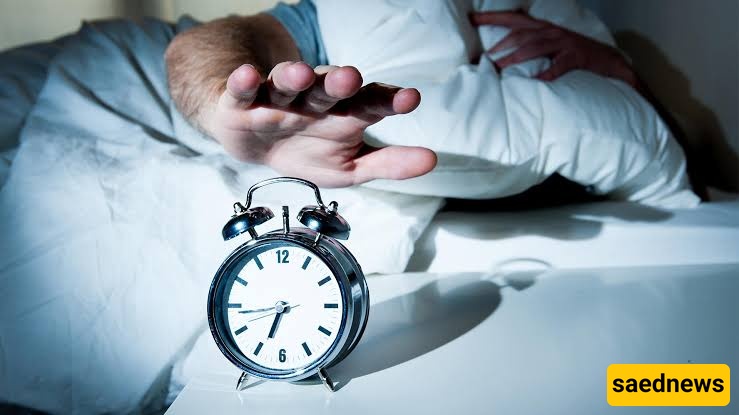
According to SaedNews, the familiar moment when an alarm rings and a person reaches for the snooze button is more than a simple battle between sleep and responsibility. The desire for “just five more minutes” reflects a combination of brain chemistry, emotional comfort, sleep cycles, and the difficulty of moving from a resting state into full alertness.
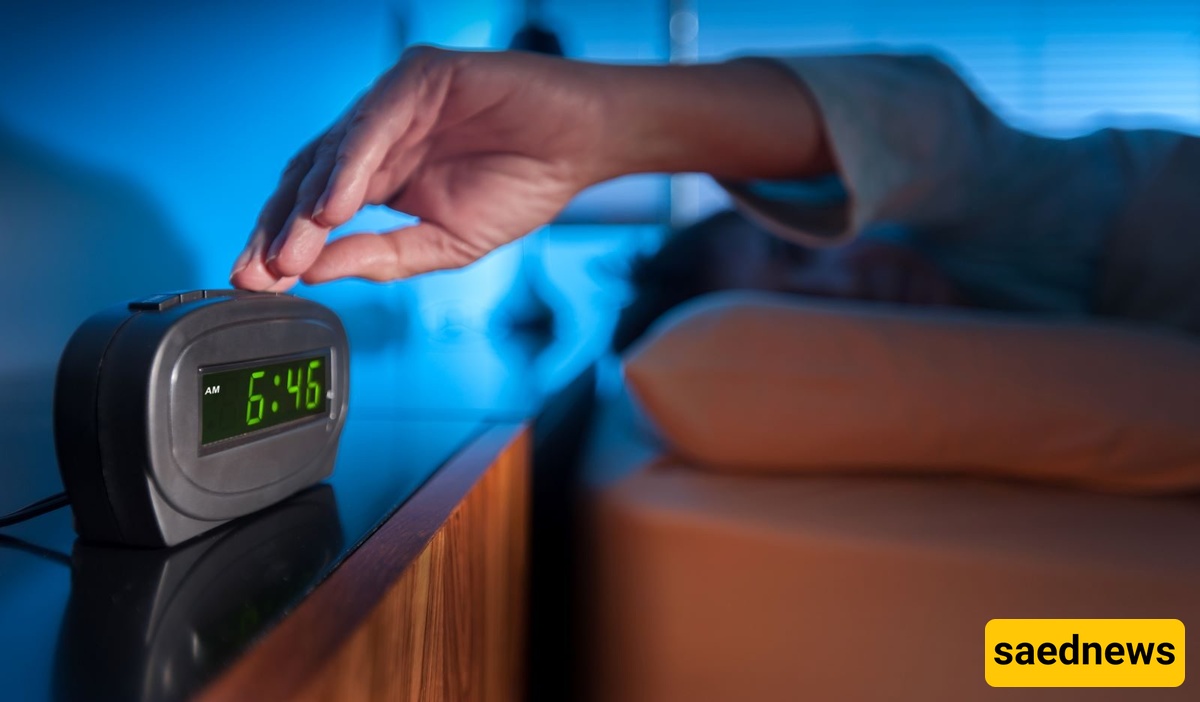
Waking is not an instant switch. The brain goes through a transition period known as sleep inertia, a temporary state in which alertness, reaction speed, and mental performance can be reduced after awakening.
This explains why many people feel confused, tired, or unmotivated during the first minutes of the day even after getting what they believe is enough sleep.
The body’s internal clock, known as the circadian rhythm, also influences the waking process. When an alarm interrupts sleep at a time when the brain is still prepared to rest, the transition can feel uncomfortable.
The snooze button offers something psychologically attractive: a small feeling of control.
A sudden alarm can feel like an external demand. Pressing snooze creates a short period where a person decides when the next interruption will happen. For some people, this brief delay reduces the emotional pressure of starting the day.
Research has found that many people use snoozing because they feel too tired to wake immediately or because they want to reduce anxiety about oversleeping. A study examining alarm snoozing found that a large proportion of participants regularly used the feature, with many reporting that it helped them feel less worried about missing their wake-up time.
The answer is more complicated than the common belief that snoozing is always bad.
Recent research suggests that short periods of snoozing may not automatically damage sleep quality. A 2024 study published in the Journal of Sleep Research examined habitual snoozers and found that around 30 minutes of snoozing did not clearly worsen mood or cognitive performance after waking, and in some cases it reduced the difficulty of waking immediately.
However, repeated alarms can also fragment the final part of sleep. Another study found that snooze alarms may prolong sleep inertia because repeated forced awakenings interrupt the natural transition between sleep stages.
The difference may depend on the person. Someone who uses a few minutes of snooze before getting up may experience it differently from someone who repeatedly delays waking while losing important sleep time.
There is also a psychological reason behind the attachment to those extra minutes: they represent a temporary escape from daily demands.
The moment after an alarm is often the first confrontation with responsibilities — work, school, appointments, and decisions. Returning briefly to sleep can feel like protecting a small private space before the day begins.
This does not necessarily mean a person is lazy. The habit can be connected to insufficient sleep, a late sleep schedule, stress, or simply the brain’s natural resistance to abrupt change.
People who struggle with waking can improve the experience by changing the conditions around sleep rather than relying only on willpower.
Helpful strategies include:
Maintaining a consistent sleep schedule.
Getting enough total sleep.
Exposing yourself to natural light after waking.
Avoiding repeated alarms that create multiple forced awakenings.
Preparing important morning tasks the night before.
The “five more minutes” habit is therefore not just a small morning decision. It is a window into how humans balance comfort, biology, and responsibility.
The snooze button represents a universal experience: the brief moment when the brain asks for more rest before accepting that a new day has begun.