SAEDNEWS: Parents may make educational mistakes out of love and protection. Excessive care and avoiding challenges can affect children’s independence and confidence. Understanding these behaviors helps create a healthier parent-child relationship.
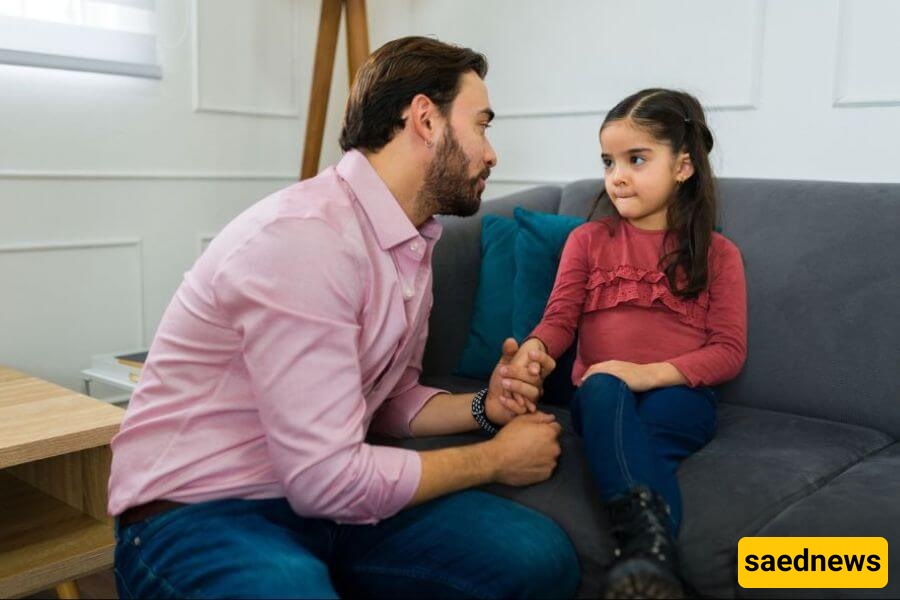
According to SAEDNEWS, love is one of the most important foundations of raising children, but sometimes parents may express their affection in ways that prevent children from developing important life skills. Good intentions do not always lead to positive results, and finding a balance between care and independence is essential for healthy growth.
One common mistake is protecting children from every difficulty or challenge. When parents always solve problems for their children, they may miss opportunities to learn responsibility, decision-making, and problem-solving skills. Allowing children to try, make small mistakes, and learn from experiences helps build confidence.

Some parents complete daily tasks for their children because they want to make life easier for them. However, children need opportunities to participate in simple responsibilities according to their age. Encouraging them to help with suitable tasks can strengthen their sense of ability and self-confidence.
Parents naturally want to keep children happy, but preventing every disappointment can make it harder for children to manage difficult emotions in the future. Teaching children patience, acceptance, and positive ways to handle challenges helps them become emotionally stronger.
Sometimes parents compare children with others because they want them to improve. However, each child has unique abilities and needs. Supporting personal progress instead of focusing on comparison creates a more positive learning environment and strengthens the child’s motivation.
Showing love does not only mean constant protection and solving every problem. True care also includes teaching responsibility, encouraging independence, and respecting children’s abilities. A balanced approach helps children grow into confident and responsible individuals while maintaining a strong connection with their parents.