SAEDNEWS: This article explores the symptoms of undereating and its effects on health, from fatigue and digestive issues to hair loss. Recognizing these signs can help protect your well-being.

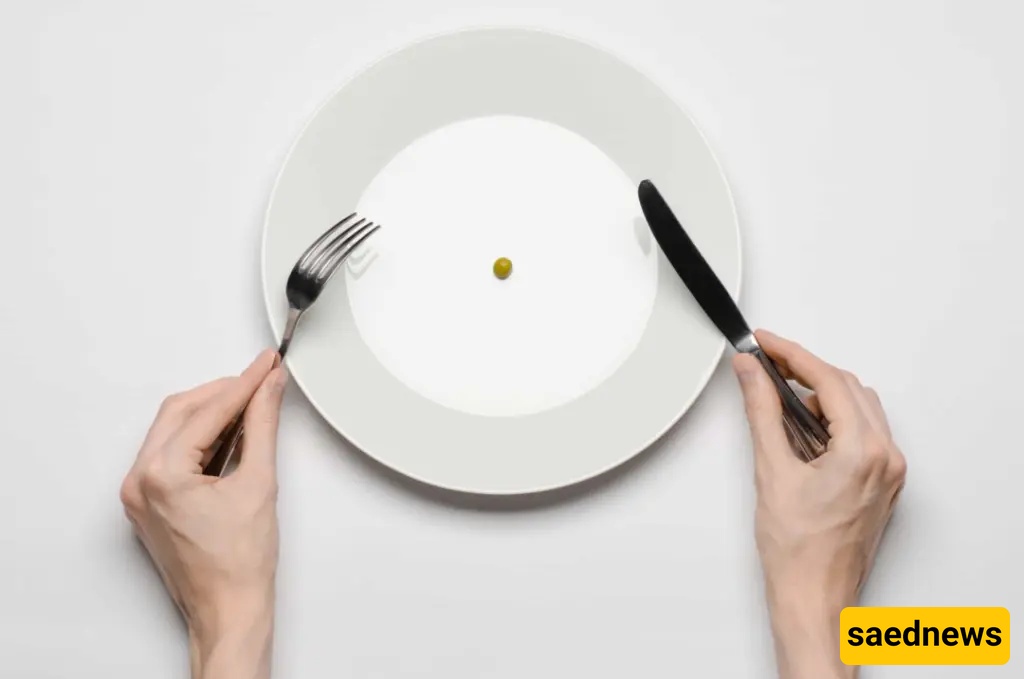
According to SAEDNEWS, There are several signs that may indicate you are not eating enough, such as constant hunger or irritability. You may also experience low energy, hair loss, and frequent illness. Achieving and maintaining a healthy weight can be challenging, especially in a world where food is always available.
However, not getting enough calories can also be concerning, whether due to intentional food restriction, loss of appetite, or other reasons.
Chronic undereating can lead to many physical, mental, and emotional problems. This article discusses 11 signs that may show you are not eating enough. If you constantly think about food or weight, feel guilty about food choices, or follow restrictive diets, seeking professional help may be beneficial. These behaviors could indicate an unhealthy relationship with food or an eating disorder.
Eating disorders and unhealthy eating patterns can affect anyone, regardless of gender identity, race, age, socioeconomic status, or other personal characteristics.
These issues may develop due to a combination of biological, social, cultural, and environmental factors, not just exposure to diet culture. Below are the symptoms and effects of undereating.
To assess your weight, you can start by using the Body Mass Index (BMI). BMI considers only weight and height as indicators of health, without accounting for factors such as age, gender, race, body composition, or medical history. Therefore, it may not always provide an accurate picture of overall health.
If your weight is significantly below the typical range, you may be considered underweight. This condition can increase the risk of health problems such as heart disease. However, being underweight does not always mean you are not eating enough.
Other factors, such as intense exercise, nutrient malabsorption, or underlying medical conditions, can also cause significant weight loss. For an accurate assessment of your health and nutritional needs, it is best to consult a healthcare professional.
When you do not consume enough calories, you are more likely to feel tired most of the time.
On average, women need about 2,000 calories per day to maintain their weight and 1,500 calories for weight loss. Men typically need around 2,500 calories per day to maintain weight and 2,000 calories for weight loss. These amounts are only general estimates and may vary depending on factors such as:
Muscle mass
Overall body weight
Age
Physical activity level
If your calorie intake falls below recommended levels, you may not have enough energy to get through the day.
If you notice increased hair loss on your brush or after showering, it may be a sign of inadequate food intake or a deficiency in important nutrients. Insufficient calories, protein, biotin, iron, and other nutrients are common causes of hair loss.
Constant hunger is one of the most obvious signs of undereating, but it is not the only one. Appetite and food cravings may increase in response to severe calorie restriction. This happens due to changes in hormones that regulate hunger and fullness.
However, while calorie deficiency may increase hunger in some cases, research from 2019 suggests that long-term calorie restriction may reduce feelings of hunger and decrease food cravings.
Undereating may interfere with a person’s ability to become pregnant. When calorie intake or body fat percentage drops too low, hormonal signals may become disrupted, affecting hormone production. If you are planning to become pregnant, it is important to follow a balanced diet with enough calories to support your body. This helps hormones function properly and may increase the chances of a healthy pregnancy.
If you find that small things easily upset you, inadequate nutrition may be the reason. A 2020 study found that poor nutrition can negatively affect mood and overall mental health.
Factors that influence mood may include both the amount of food you eat and the types of foods you consume.
For example, following a Mediterranean diet may help reduce signs of inflammation, while consuming high-calorie foods rich in unhealthy fats may increase inflammation in the immune system and affect mood and overall well-being.
If you always feel cold, insufficient food intake may be the cause.
Your body needs to burn a certain amount of calories to produce heat and maintain a healthy, comfortable temperature. Restricting calories can lead to a lower core body temperature. In general, the more severe the calorie restriction, the more likely you are to feel cold.
Irregular bowel movements may be linked to low calorie intake. This is not surprising, as eating less food results in less waste being produced in the digestive system.
Constipation is usually defined as having fewer than three bowel movements per week or passing small, hard stools that are difficult to pass. It is common among older adults and can be worsened by an inadequate diet. Research from 2022 suggests that lower calorie intake may increase the risk of constipation in women, while consuming calories within recommended ranges may reduce constipation risk in men.
If you experience problems with regular bowel movements, it is important to pay attention to how much food you consume and check whether you are eating enough.
If you are constantly getting sick, it may be a sign that you are not getting enough nutrients to support a healthy immune system. Important nutrients for immune function include certain amino acids such as arginine and tryptophan, as well as the following vitamins and minerals:
Zinc
Selenium
Vitamin A
B vitamins including B1, B2, B3, and B12
Vitamin C
Vitamin D
Children and teenagers who are not growing as expected may not be consuming enough food. In young children, this condition is known as failure to thrive or delayed growth.
The amount and type of food they consume can affect growth hormones and prevent them from functioning properly, which may lead to shorter height.
The Centers for Disease Control and Prevention (CDC) provides growth charts showing the average expected weight and height for children from birth to 18 years old. However, if your child does not fall within the average range, consult their pediatrician. This may be due to malnutrition, but other factors such as underlying health conditions may also play a role.
Not eating enough food can negatively affect your skin. In some cases, it may cause thinning, wrinkles, peeling, or skin tearing. The skin may also develop lesions, bruising, broken blood vessels under the skin, or more severe bleeding known as purpura. A 2018 study found a connection between malnutrition and skin tears regardless of age or Body Mass Index (BMI).
Malnutrition occurs when the body does not receive all the nutrients it needs. It can result from insufficient food intake, but other causes, including underlying medical conditions, may also contribute.
Although overeating can increase the risk of health problems, eating too little can also negatively affect your health. This is especially true when calorie restriction is severe or lasts for a long time. If you experience any of the symptoms mentioned above, speaking with a healthcare professional may help you receive appropriate guidance.