SAEDNEWS: Whole wheat lavash bread is a healthier alternative to white bread because it is rich in fiber and essential nutrients. It can support weight management and promote healthy digestion.
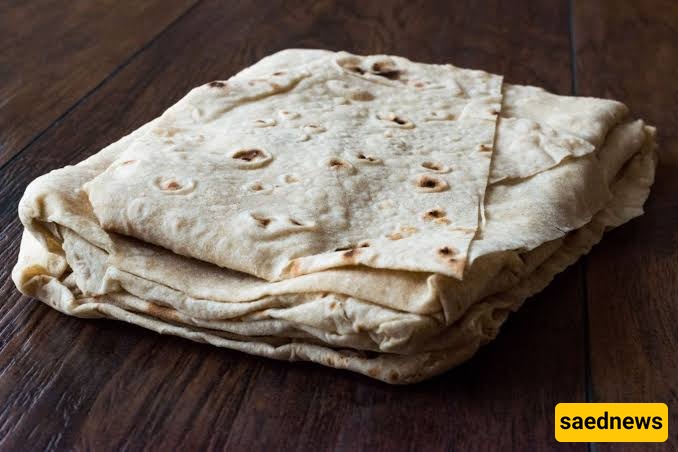
According to Saednews, Whole wheat lavash bread is a healthier alternative to traditional white lavash, offering more fiber, vitamins, and essential minerals while maintaining a similar calorie content. As awareness of healthy eating continues to grow, whole grain breads have become a preferred choice for people looking to improve digestion, support weight management, and maintain stable blood sugar levels.
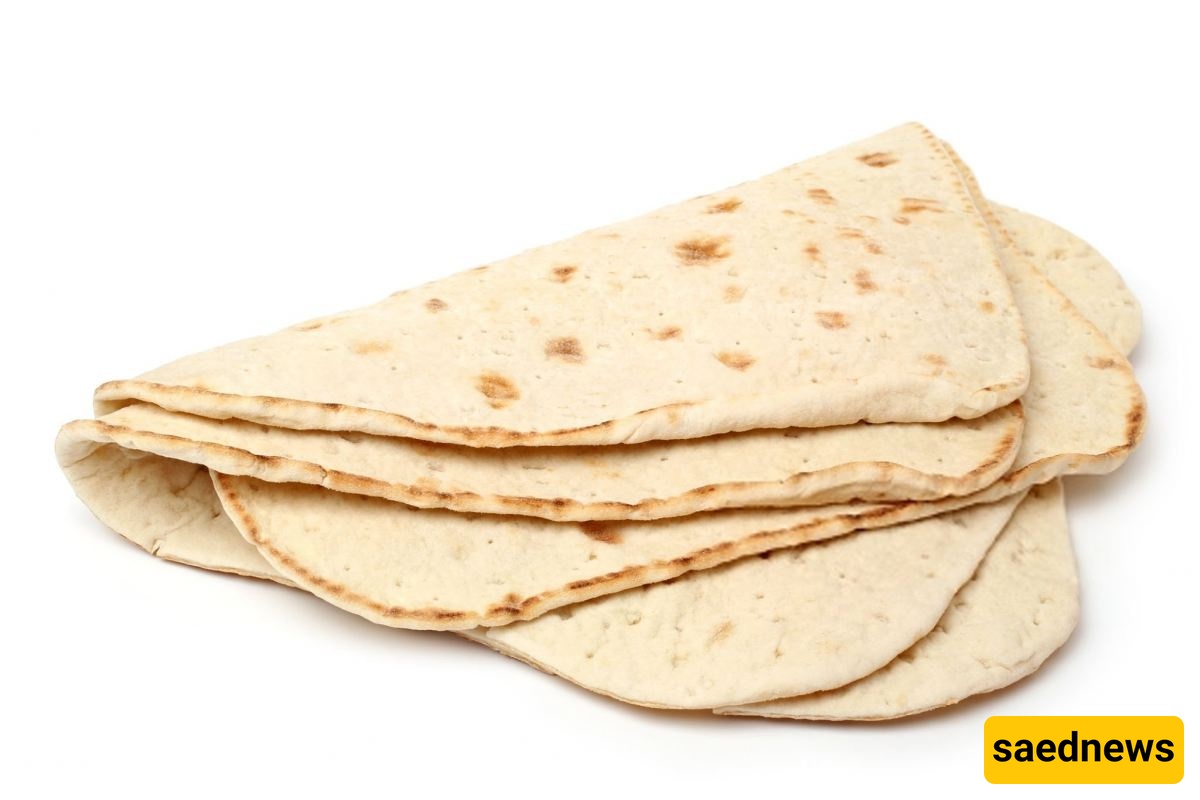
This guide covers the calorie content, nutritional value, health benefits, and a simple homemade whole wheat lavash recipe.
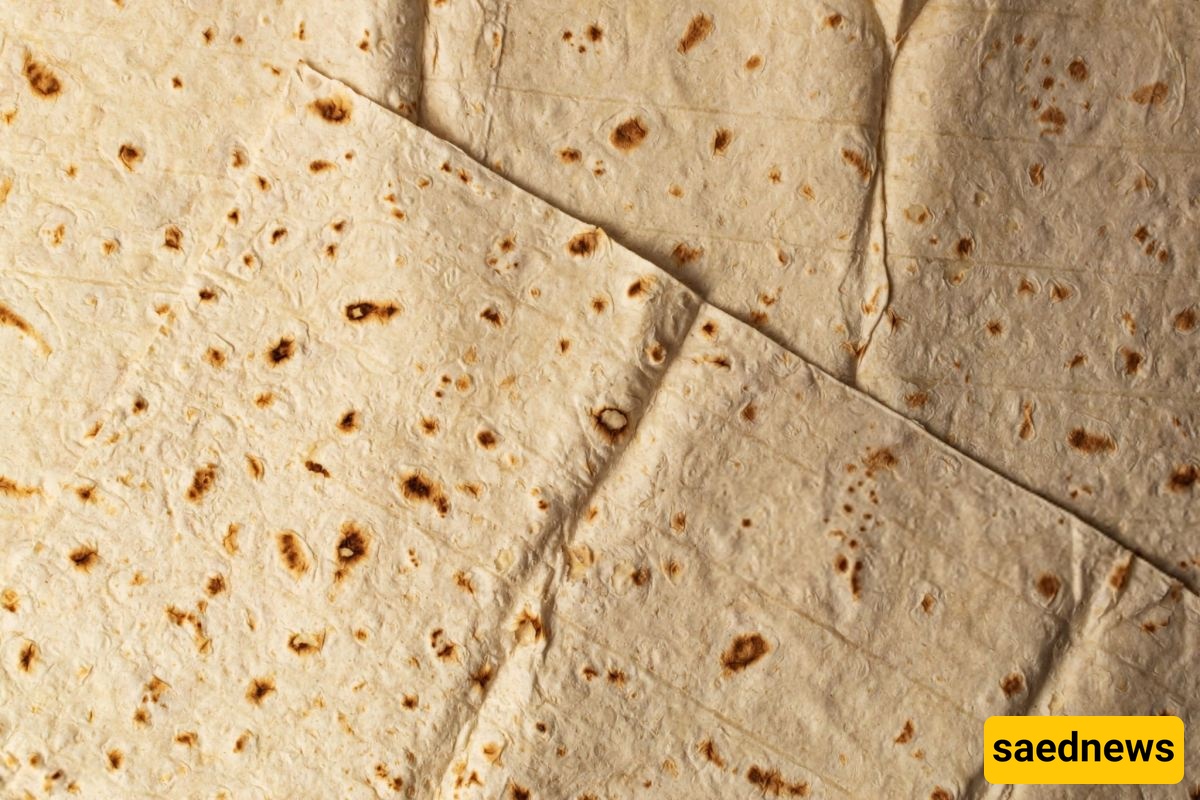
Whole wheat lavash is a thin, soft flatbread made from whole wheat flour or a combination of white flour and wheat bran. Unlike white lavash, whole wheat lavash retains all parts of the wheat grain—the bran, germ, and endosperm.
The bran is especially valuable because it contains dietary fiber, B vitamins, iron, magnesium, zinc, phosphorus, and antioxidants. These nutrients are largely removed during the production of refined white flour.
Choosing whole wheat lavash instead of white bread is a simple dietary upgrade that can contribute to better overall health.
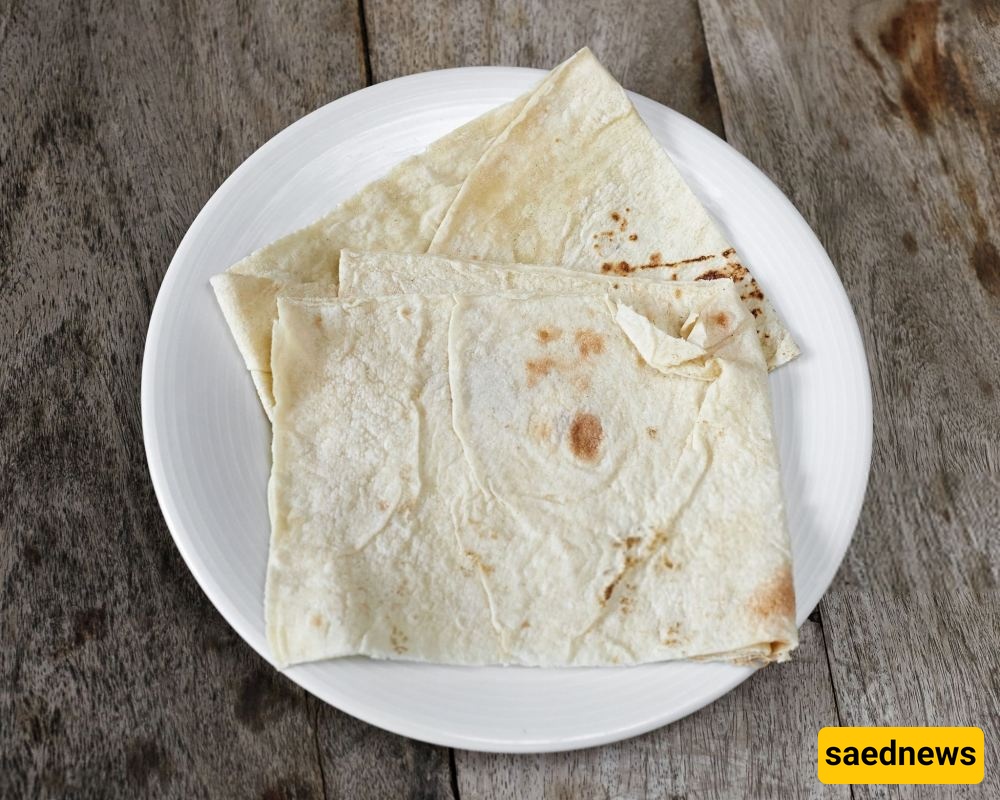
The calorie content varies slightly depending on the ingredients and thickness of the bread.
One medium whole wheat lavash (50–60 g): 130–160 calories
100 grams of whole wheat lavash: 260–280 calories
Although the calorie difference between whole wheat and white lavash is relatively small, the higher fiber content makes whole wheat lavash more filling and satisfying.
Nutrient | Amount |
|---|---|
Calories | 260–280 kcal |
Carbohydrates | 45–50 g |
Dietary Fiber | 6–8 g |
Protein | 8–10 g |
Fat | 1.5–3 g |
Iron | 2–3 mg |
Magnesium | 60–80 mg |
Phosphorus | 150–200 mg |
Zinc | 1.5–2 mg |
B Vitamins | Rich in B1, B3, and B6 |
Whole wheat lavash contains approximately three to four times more fiber than white lavash. Fiber promotes digestive health, supports regular bowel movements, and helps you stay full longer.
Whole wheat bread has a lower glycemic index (GI), meaning it raises blood sugar more gradually. This makes it a better option for people with diabetes or those trying to manage their weight.
Because the bran and germ remain intact, whole wheat lavash naturally provides more iron, magnesium, zinc, phosphorus, and B vitamins than refined white bread.
The higher fiber content helps reduce hunger between meals, making it easier to control daily calorie intake.
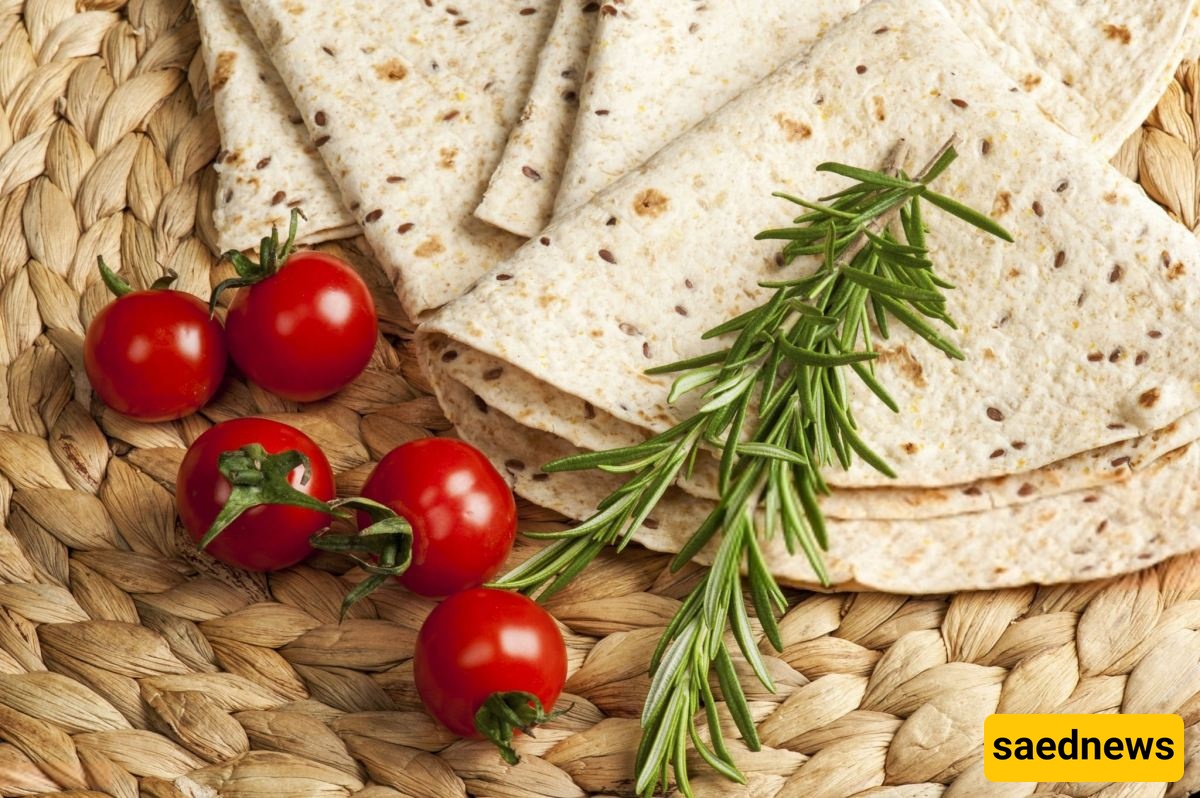
Dietary fiber improves bowel regularity, reduces the risk of constipation, and supports a healthy gut microbiome by feeding beneficial bacteria.
Fiber absorbs water and expands in the stomach, increasing feelings of fullness. This can reduce overeating and unhealthy snacking.
Whole grains may help lower LDL ("bad") cholesterol levels while providing minerals like magnesium that support healthy blood pressure.
Complex carbohydrates combined with fiber slow glucose absorption, helping maintain more stable blood sugar levels.
Unlike refined breads, whole wheat lavash releases energy gradually, reducing energy crashes throughout the day.
2 cups whole wheat flour
1 cup all-purpose flour
2 tablespoons wheat bran (optional)
1½ cups warm water (adjust as needed)
1 teaspoon salt
2 tablespoons olive oil or vegetable oil
In a large bowl, combine the whole wheat flour, all-purpose flour, wheat bran, and salt.
Add the oil and mix until evenly distributed.
Gradually pour in the warm water while mixing until a soft dough forms.
Knead the dough for 5–7 minutes until smooth and elastic.
Cover the dough and let it rest at room temperature for 30–45 minutes.
Divide the dough into 8–10 equal portions.
Roll each piece into a very thin circle, about 2 mm thick.
Heat a dry nonstick or cast-iron skillet over medium-high heat.
Cook each flatbread for 30–60 seconds until bubbles appear.
Flip and cook the other side for another 30–45 seconds until lightly browned.
Allow the bread to cool on a wire rack before storing.
Store at room temperature in an airtight bag for up to 3 days.
Freeze for up to 3 months.
Reheat briefly in a skillet or microwave before serving.
Use warm water for a softer dough.
Knead thoroughly to develop gluten.
Roll the dough as thin as possible for authentic lavash.
Make sure the skillet is fully heated before cooking.
Dust the work surface lightly with flour to prevent sticking.
Whole wheat lavash bread is an excellent choice for anyone seeking a healthier alternative to refined white bread. While its calorie content is similar to white lavash, its significantly higher fiber, vitamin, and mineral content offers substantial nutritional advantages.
Regularly including whole wheat lavash in your diet may support digestive health, improve blood sugar control, increase satiety, promote heart health, and assist with weight management. Making it at home is simple, affordable, and allows you to enjoy fresh, wholesome bread with minimal ingredients.
Replacing refined breads with whole wheat lavash is a practical step toward a healthier, more balanced diet.