SAEDNEWS: Around the world, powerful rivers have abruptly changed their course due to floods, sediment buildup, and climate-driven extremes, reshaping landscapes, displacing communities, and forcing scientists to rethink how stable Earth’s waterways really are.
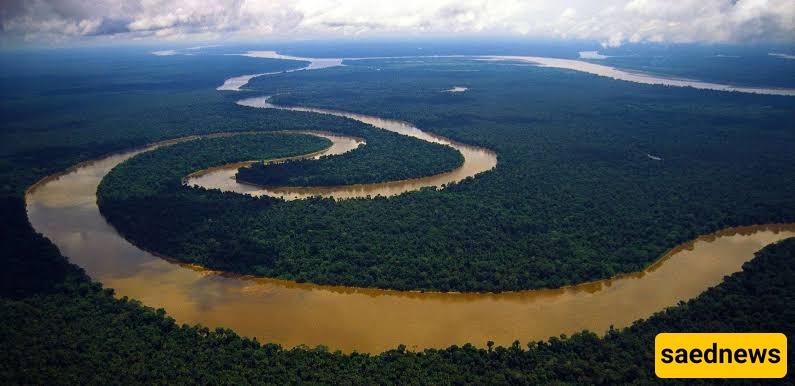
According to SaedNews. rivers are often imagined as permanent lines carved into the Earth—steady, predictable, almost timeless. But in reality, some of the world’s largest rivers have done something shocking: they have suddenly changed direction, abandoning old paths and carving entirely new ones, sometimes in a matter of days.
What would happen if the river near your home simply… moved?
Scientists studying river dynamics at organizations such as the U.S. Geological Survey (USGS), NASA Earth Observatory, and India’s Central Water Commission have long warned that rivers are not fixed systems. They are constantly shifting under the pressure of water flow, sediment buildup, and terrain changes.
A process called avulsion—when a river rapidly abandons its channel and creates a new one—is behind some of the most dramatic landscape changes on Earth.
But why does a river suddenly decide to change its mind?
One of the most dramatic modern examples occurred in August 2008, when the Kosi River in India breached its embankments after heavy monsoon rainfall. Flowing across Bihar and Nepal, the river abruptly shifted eastward, flooding thousands of villages.
Hydrologists from institutions such as IIT Kanpur and India’s Water Resources Ministry documented how massive sediment buildup over decades had elevated the riverbed higher than surrounding land. When the embankment failed, the river followed a historical channel it had abandoned nearly 200 years earlier.
Nearly 3 million people were affected.
So the question is—how can a river “remember” an old path after centuries?
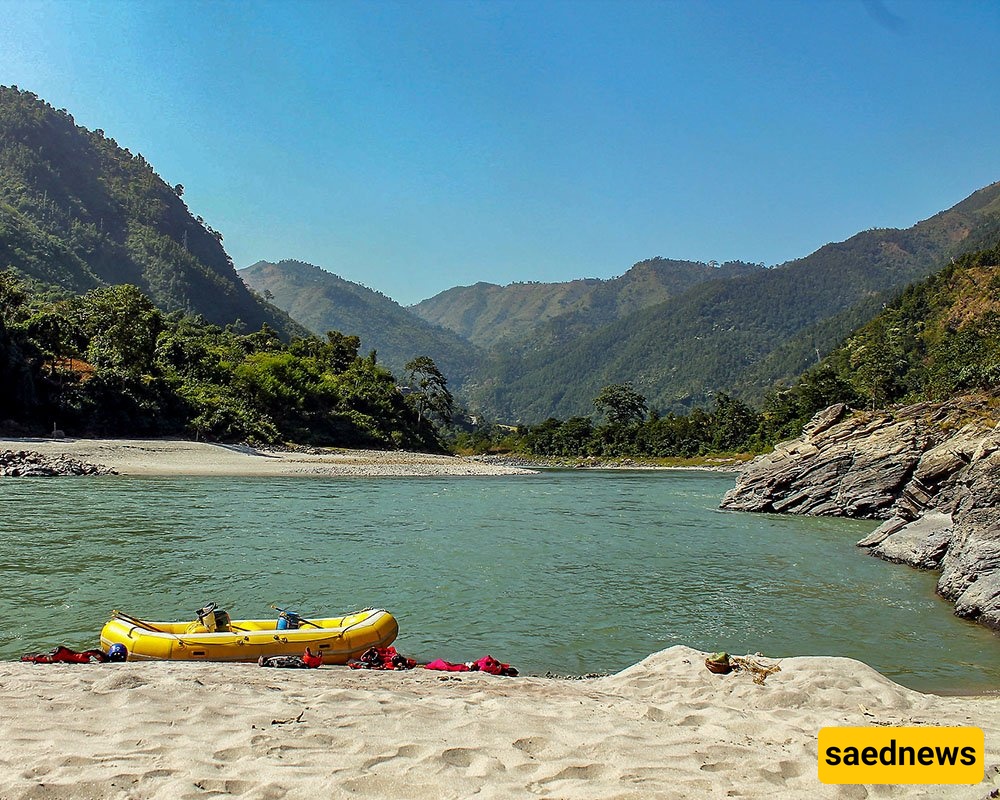
In the United States, scientists at the U.S. Army Corps of Engineers and Louisiana State University have studied a potential avulsion involving the Mississippi River and its competing branch, the Atchafalaya River.
Satellite data from NASA and decades of hydrological modeling show that the Mississippi is naturally inclined to shift its main flow into the shorter, steeper Atchafalaya channel. Only massive engineering structures currently prevent this from happening.
If the switch occurred, it would dramatically reshape cities like Baton Rouge and New Orleans.
Could one river change the economic map of an entire nation?
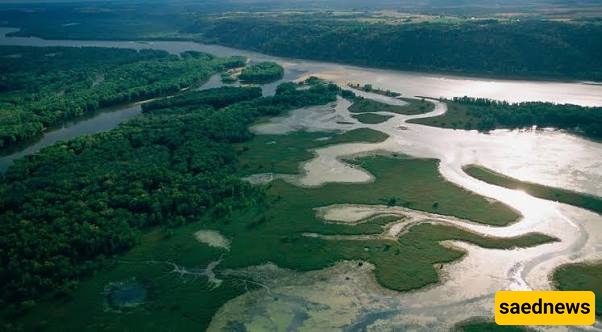
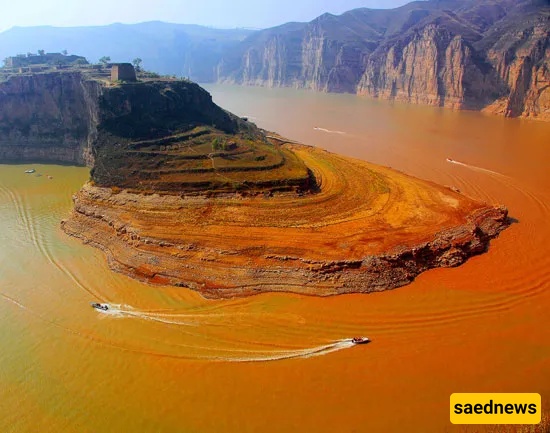
The Yellow River, studied extensively by Chinese hydrologists and researchers at the Chinese Academy of Sciences, is one of the most unpredictable rivers in history. Over the past 3,000 years, it has changed course multiple times, sometimes shifting hundreds of kilometers.
Sediment-heavy water from the Loess Plateau makes the riverbed rise over time, forcing catastrophic floods and sudden rerouting.
Historical records show that entire dynasties were affected by its changes.
What makes a river so powerful that it can influence the rise and fall of civilizations?
Across global studies published in journals like Nature Geoscience, researchers have identified several key drivers of river avulsion:
Excess sediment buildup raising the riverbed
Extreme flooding triggered by climate variability
Tectonic shifts altering landscape slope
Deforestation increasing runoff and erosion
Satellite monitoring using Landsat imagery (NASA/USGS, spanning decades of Earth observation) confirms that many river systems show slow structural instability long before sudden shifts occur.
But if the warning signs exist… why do the changes still feel so sudden?
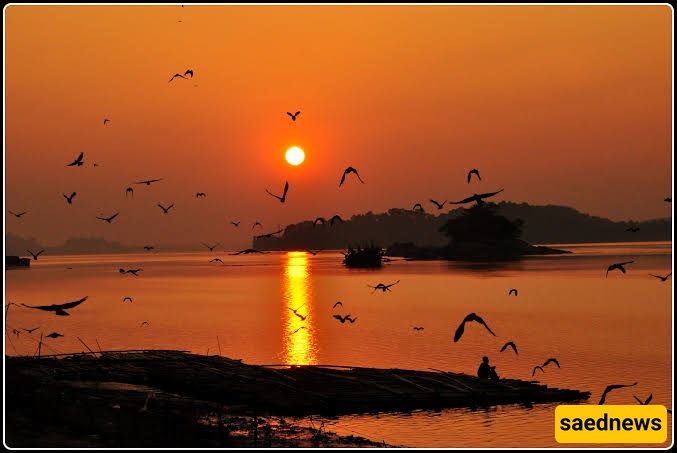
In South Asia, the Brahmaputra River continues to shift across its floodplain in India and Bangladesh. Remote sensing studies show that its channels migrate laterally over time, swallowing land and creating new sandbars.
Communities living nearby often describe the river as “alive”—never fully staying in one place.
So is a river really a fixed boundary, or something more like a living force?
Sudden river changes are not just geological events—they are human crises. Roads disappear, farmland vanishes, and entire settlements are forced to relocate. Governments invest billions in flood defenses, yet nature often finds new paths anyway.
And this leads to a haunting thought: if rivers can change course without warning, how much of our “permanent” world is actually temporary?
Because when water decides to move… everything built around it must move too.