SAEDNEWS: A laundry room is a space in homes that is designed for washing and storing clothes, arranged with specific layout and equipment.
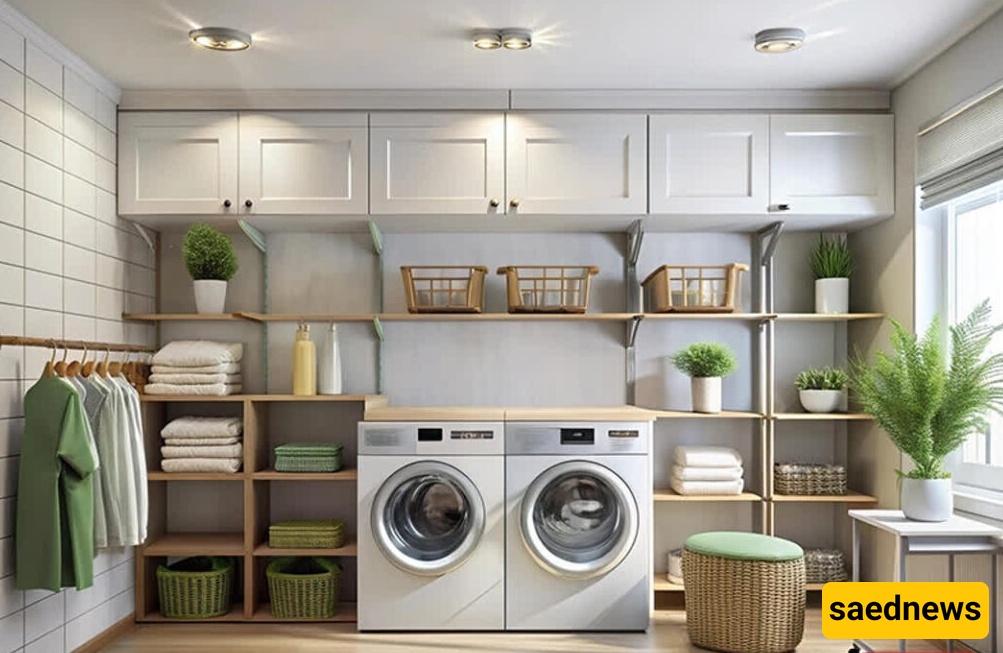
According to SAEDNEWS, A laundry room is a useful space designated for washing clothes; it is designed with sufficient room for washing machines and additional areas for storing and organizing clothes.
These rooms are commonly found in homes and are equipped with a washing machine and a clothes dryer, usually placed side by side. Depending on the layout and floor space, laundry rooms often include a sink, an ironing board, storage cabinets, and folding tables.
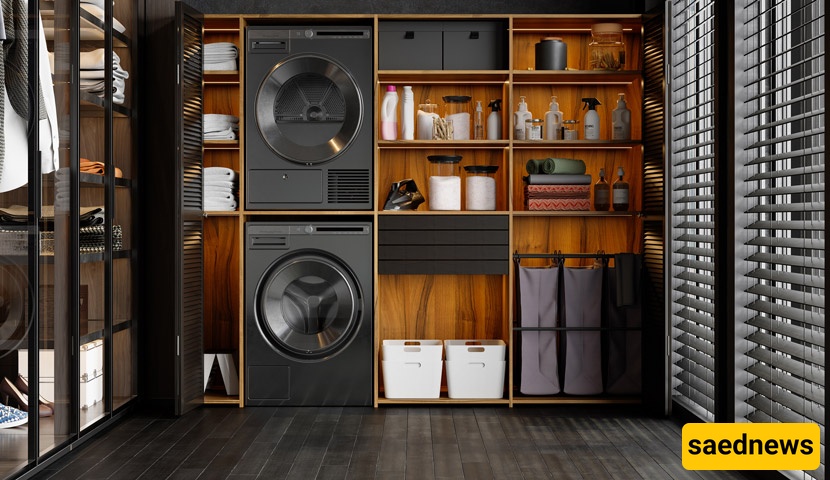
Laundry Room Layout: Everything You Need for a Better Washing Experience
In every home, a room is allocated as a laundry space. Its size is usually relatively large to provide enough space for appliances such as washing machines and dryers; however, the laundry room is certainly not the most important room in the house.
Designing this space as a productive and pleasant working area can improve its functionality and reduce the boredom of this daily chore. Before starting, consider how you want your laundry room to look. Try to begin by drawing a plan while taking the following into account:
Separate the different stages of laundry work and consider the size and type of your washing machine, as well as where you want to place the sink (if any) and shelving units. You may notice certain limitations regarding the laundry space, but this does not mean you cannot work around them.
Step 1: Appliances
If you plan to buy a new washing machine and dryer, you should consider one of two options: stacking the washer and dryer on top of each other, or placing them side by side under a countertop. Both options save a considerable amount of space, and generally, it is better to choose matching washer and dryer units.
The laundry room should be designed around the washing machine and dryer, and the reason is simple: electricity and water supply are elements that are not easily changed without significant cost. Therefore, if you need to move your appliances, you will also have to relocate water connections and electrical outlets.
Tips for Washing Machines and Dryers
Washing machines and dryers come in different sizes, so it is important to leave extra space around them. This makes future upgrades easier if you decide to buy new appliances later, as the additional space allows for more flexibility.
Front-loading and top-loading washing machines each have their own advantages and disadvantages, especially when planning the layout of a laundry room.
As mentioned, front-loading machines can be installed under a countertop, while top-loading machines cannot be stacked and require more vertical clearance. However, they generally take up less space when placed side by side. You can also place your machines on a pedestal, but you should make sure that the base you choose is compatible with your specific models.
Step 2: Workspace
We often use the laundry room as a multifunctional space, which can include storing pet food, placing an ironing board, and other similar uses.
Lack of adequate workspace can create a feeling of frustration and make the area look cluttered, especially when the laundry room is used for tasks beyond washing and drying clothes. Having a well-designed, spacious countertop not only improves the laundry process but also opens up the space for many other functions and uses.
Countertop Space
Consider how much countertop space you need for laundry baskets, washing supplies, detergents, cleaning materials, and other essentials. Having more counter space offers greater benefits than you might initially expect.
Floor Space
A laundry room should have enough space for you to move freely without restrictions, as proper layout and sufficient room can significantly improve your productivity. Some homeowners with larger spaces choose to install a kitchen-style island counter for multitasking purposes. Just make sure there is enough clearance for cabinet doors to open properly.
Never overcrowd the laundry room, as doing so reduces floor space, making movement more difficult and causing the room to quickly feel cluttered and disorganized.
Sink
If water access is available, installing a utility sink in the laundry room is another great advantage. When space is limited, you can also make use of the area above the sink for additional storage or work space.
A practical solution is to place the sink to the left of the washing machine, making laundry tasks easier, as soaked clothes can be transferred directly from the sink into the washer.
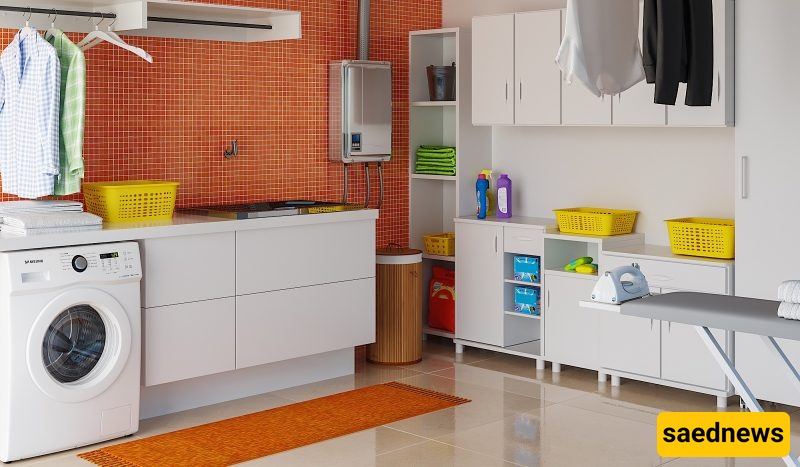
Step 3: Storage
Every laundry room needs ample storage space, as many potentially hazardous items such as detergents, chemicals, ironing boards, and vacuum cleaners must be stored safely and securely.
Wall Cabinets
Wall-mounted cabinets are not only a good idea but also a major advantage, as they increase storage capacity without taking up floor space. Choosing wall cabinets instead of open shelves also helps keep the laundry room more organized.
Base Cabinets
Base cabinets provide more storage capacity than wall cabinets, but they occupy more floor space. They are often installed beneath worktops, making efficient use of the available layout.
Freestanding Cabinets
A slightly more expensive option is using freestanding cabinets. These laundry storage units can give the space a more stylish appearance, especially when matched with other laundry appliances and furnishings.
Other Details in Laundry Room Layout and Design
In addition to what has already been discussed, there are several other important elements in this part of the home, including:
Wall Hooks
Do not overlook the empty wall space and install wall hooks to hang smaller items. Towels, clothes, and even cleaning supplies can be placed in bags or baskets and hung on these hooks for better organization.
Laundry Baskets
Laundry baskets are not only practical for the washing process, but they also come in different types such as wicker, wire, or plastic. In addition to their functionality, they can also add a stylish touch to the laundry room’s overall appearance.
Folding Elements
Flexible or foldable elements are ideal for small spaces. If you have limited room, you can use a foldable ironing board or collapsible baskets. These baskets can also be used to store items such as detergents or towels.
Shelves
Using shelves adds aesthetic value to the space, allowing you to place decorative or ornamental items on them. Installing frames or platforms for the washing machine and dryer helps define the space and makes the room look more organized.
Lighting
For lighting, make the most of natural light from windows. Additionally, installing a strong ceiling light or a small stylish chandelier can enhance the room’s appearance. Under-cabinet lighting is also a great option to improve functionality and visibility in work areas.
Ironing
Do you sort, fold, and iron your clothes in different rooms? It is a good idea to organize your laundry routine around ironing. Installing an ironing board near the countertop is very convenient, and if you do not have one, place your workspace near a power outlet to make the process easier.