SAEDNEWS: Weighted Blankets May Help Improve Insomnia by Reducing Stress and Enhancing Sense of Security

According to Saednews, Insomnia is one of the most common sleep disorders in the modern world, affecting millions of people. Those who suffer from insomnia are constantly looking for ways to improve their sleep quality. One frequently asked question in this regard is: “Is it better to sleep with a blanket or without one?” Although this may seem like a simple question, the answer can significantly impact sleep quality and the reduction of insomnia symptoms.
Body temperature plays a vital role in the sleep–wake cycle. Research shows that a drop in core body temperature is one of the key prerequisites for initiating and maintaining deep sleep. When we fall asleep, our body temperature naturally decreases, signaling the brain that it is time to rest.
The ideal bedroom temperature is generally recommended to be between 15 and 19°C. However, blankets can influence this thermal balance. Using thick and heavy blankets may increase body temperature and disrupt the natural cooling process, which in turn can worsen insomnia.
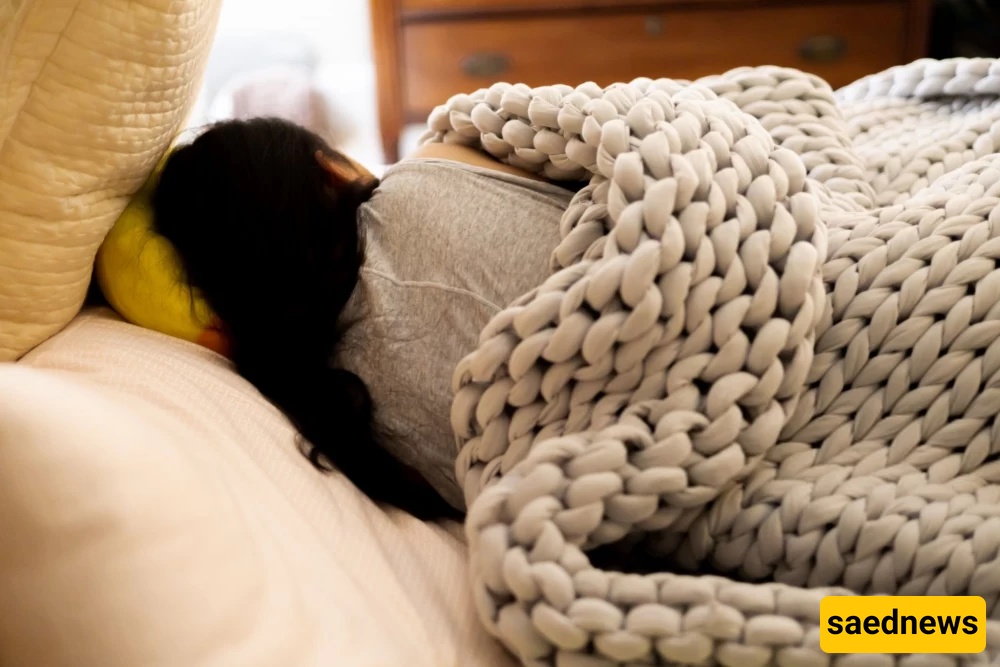
In recent years, weighted blankets have gained popularity. These blankets apply gentle, even pressure across the body, creating a sense of calm and security. Studies suggest that they may activate the parasympathetic nervous system, reduce cortisol (stress hormone) levels, and increase melatonin production (sleep hormone).
Benefits of weighted blankets for people with insomnia include:
Reduced anxiety and stress
Increased sense of safety
Improved deep sleep quality
Decreased involuntary movement during sleep
However, weighted blankets are not suitable for everyone. People with respiratory problems, circulation issues, or sensitivity to pressure should consult a doctor before using them.
Some people prefer sleeping without a blanket, especially during warmer seasons. This approach has both advantages and disadvantages.
Advantages:
Better temperature regulation in hot weather
Reduced night sweating
Feeling of lightness and freedom of movement
Disadvantages:
Higher chance of waking up due to cold
Sleep disruption caused by temperature fluctuations
Reduced sense of security and comfort
Increased muscle tension due to cold exposure
For people with insomnia, sleeping without a blanket is generally not recommended, as thermal stability and the sense of security provided by a blanket can improve sleep quality.
Selecting the right blanket can make a significant difference in sleep quality.
1. Material:
Cotton: breathable and suitable for all seasons
Merino wool: excellent temperature regulation and moisture control
Silk: lightweight and cool, ideal for sensitive skin
Microfiber: soft and light, but may retain heat
2. Weight:
Lightweight (under 2 kg): suitable for warm seasons
Medium (2–4 kg): general use
Heavy (4–10 kg): for anxiety reduction and deeper sleep
3. Size:
Should fully cover the body
Larger-than-bed blankets are often more comfortable
Layer smartly: Use multiple thin layers instead of one thick blanket to better regulate temperature.
Control room temperature: Keep the bedroom between 16–18°C.
Use separate blankets: Helps couples avoid sleep disturbances caused by different temperature preferences.
Wash regularly: Prevents dust mites and allergens that may worsen sleep problems.
Several studies have examined the effects of weighted blankets on sleep improvement. A 2020 study found that using weighted blankets for four weeks significantly reduced insomnia symptoms. It also increased melatonin levels and reduced cortisol levels.
Another study in 2022 showed that weighted blankets can increase deep non-REM sleep by up to 20%, which is crucial for physical and mental recovery.
Night sweats or hot flashes: Heavy blankets may worsen symptoms
Fever: Can increase body temperature excessively
Infants: Not recommended due to the risk of SIDS
Respiratory issues: Should be used with caution
A blanket alone cannot solve insomnia, but it becomes more effective when combined with other strategies:
Maintain a consistent sleep schedule
Reduce blue light exposure before bedtime
Practice meditation and deep breathing
Keep room temperature cool and stable
Use aromatherapy such as lavender or chamomile
For most people with insomnia, sleeping with a properly chosen blanket is better than sleeping without one. The key is maintaining thermal balance, choosing the right material and weight, and combining blanket use with healthy sleep habits.