SAEDNEWS: Bulgur is one of the most nutritious wheat products. With moderate calories and high fiber content, it helps support heart health, blood sugar control, and weight management.

According to Saednews, Wheat bulgur is one of the most nutritious wheat products. Due to its high nutritional value, it holds a prominent place in many food cultures, especially in Arab countries, Iran, Turkey, and parts of Asia and the Mediterranean region.
In fact, the long shelf life, easy cooking process, and wide availability of wheat bulgur have made it a widely used grain in cooking. It is used in many recipes such as bulgur soup, meatballs (kofta), stews, tabbouleh salad, various salads, soups, and casseroles, among many other popular dishes.
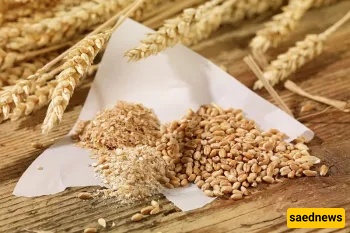
100 grams of dry wheat bulgur: 342 calories
100 grams of cooked wheat bulgur: 83 calories
Carbohydrates: 76 g
Protein: 12 g
Fat: 1.3 g
Fiber: 18 g
To burn the calories from wheat bulgur, the following activities are required:
Cycling: 48 minutes
Running: 36 minutes
Walking: 97 minutes
Cleaning/housework: 83 minutes
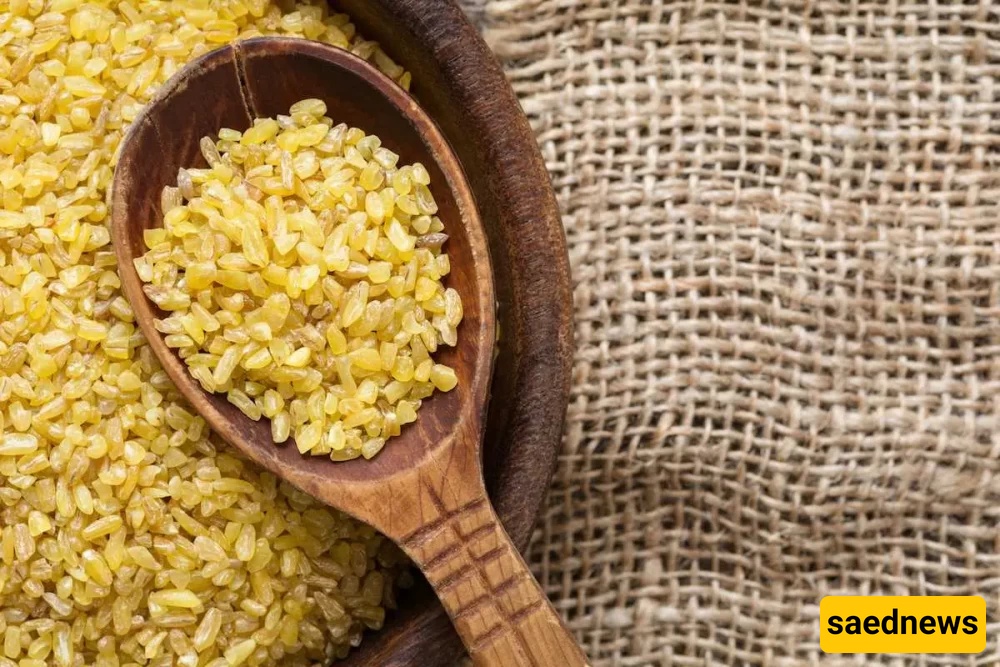
Regular consumption of whole grains rich in fiber, such as bulgur, is associated with multiple health benefits, including disease prevention and improved digestive function. Some of the main benefits include:
Fiber-rich foods like whole grains help support heart health. Studies have shown that regular consumption of whole grains may reduce the risk of stroke, heart disease, and heart failure.
Whole grains, compared to refined grains, help reduce blood sugar levels and insulin levels in the human body.
Research suggests that whole grains may improve overall insulin sensitivity. While fiber is considered a key factor, plant compounds in whole grains also play an important role in these effects. Fiber and its nutrients contribute significantly to better blood sugar regulation.
Regular consumption of whole grains such as bulgur can promote the growth of beneficial gut bacteria. These bacteria produce short-chain fatty acids (SCFAs), which are essential for gut health and proper digestive function.
In addition, adequate intake of fiber-rich foods like bulgur can help prevent and treat digestive problems, especially constipation.
Although body weight is influenced by many factors, numerous studies suggest that high fiber intake helps with weight loss and prevents weight gain. However, the exact mechanism is still not fully understood.
In some cases, gut bacteria composition may play a role, while in others, metabolic factors may be involved. For many people, fiber increases satiety, leading to reduced calorie intake and possibly affecting daily energy expenditure.
Although more research is needed, including bulgur as part of a balanced high-fiber diet may help maintain a healthy body weight.

Although bulgur is generally considered a healthy and safe food for most people, it is not suitable for everyone. Since bulgur is made from wheat, individuals with wheat allergies or gluten-related disorders should avoid it and choose gluten-free grains instead.
People with chronic digestive conditions such as inflammatory bowel disease (IBD) or irritable bowel syndrome (IBS) may also have difficulty tolerating bulgur due to its insoluble fiber content.
In such cases, it is recommended to start with small amounts to observe the body’s reaction. Additionally, individuals experiencing acute digestive illness or infection should avoid high-fiber foods like bulgur until symptoms improve.
If you generally have difficulty tolerating high-fiber foods, it is best to increase intake gradually and drink plenty of water to support digestion.