SAEDNEWS: A clay mask is one of the best and oldest natural methods for cleansing the skin, controlling oil, and treating acne. By absorbing dirt and toxins from the skin’s surface, it helps make the skin clearer and healthier.
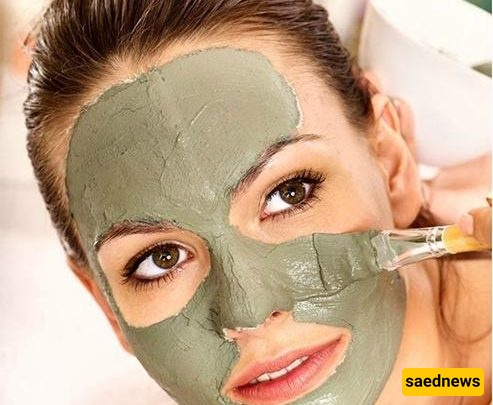
According to Saednews, A clay mask is suitable for all skin types (oily, dry, combination, and sensitive). However, for more specialized skin treatments, visiting beauty clinics in Tehran and other cities is recommended.
Due to its mineral composition and absorbent structure, clay masks have multiple effects on the skin, the most important of which are explained below.
One of the main uses of clay masks is the treatment and prevention of acne. By absorbing excess oil and reducing acne-causing bacteria, this mask helps reduce inflammation and redness. It also prevents clogged pores, which leads to fewer new breakouts.
Regular use of clay masks can help reduce skin blemishes and even out skin tone. By gently exfoliating, it removes dead skin cells and helps brighten the complexion.
One of the key benefits of clay masks is deep cleansing of skin pores. This helps reduce blackheads and makes pores appear smaller.
For oily skin, clay masks are one of the best options. Regular use (2 to 3 times per week) helps reduce oiliness, prevent acne, and improve overall skin appearance.
People with dry skin should use clay masks with caution. It is better to mix clay with moisturizing ingredients such as honey or yogurt to prevent excessive dryness.
For combination skin, it is recommended to apply the mask only on oily areas (such as the forehead and nose) to maintain skin balance.
People with sensitive skin should use milder types of clay and reduce application time to avoid irritation.
Here are several effective homemade clay mask combinations:
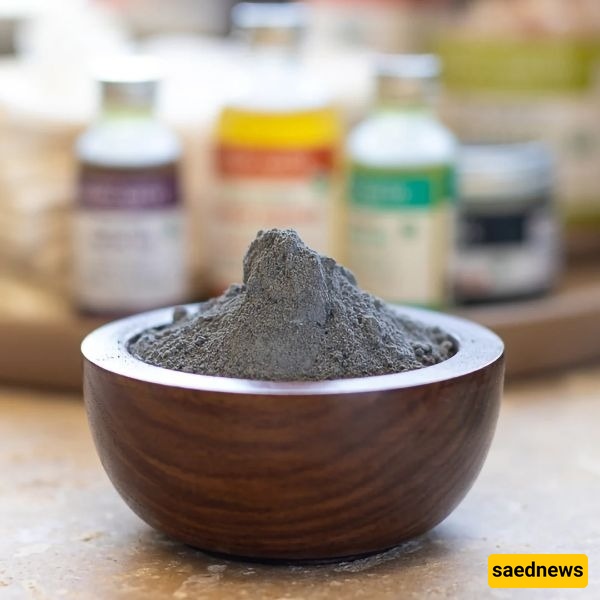
This combination is excellent for cleansing and soothing the skin. Rose water has anti-inflammatory properties and helps reduce redness.
Honey is a natural moisturizer, and when combined with clay, it makes the skin soft and smooth.
This mixture is very effective for acne-prone skin and helps balance the skin’s pH level.
Yogurt contains lactic acid, which gently exfoliates and brightens the skin.
To get the best results, follow these steps:
Wash your face with a gentle cleanser
Prepare an appropriate amount of mask
Apply it evenly on the skin
Avoid the eye area
Leave it on for 10–15 minutes
Rinse with lukewarm water before it fully dries
Apply a moisturizer afterward
Usage depends on skin type:
Oily skin: 2–3 times per week
Dry skin: once per week
Combination skin: 1–2 times per week
Sensitive skin: once every 10 days
The ideal duration is 10 to 15 minutes. It is important not to let the mask fully dry and crack, as this can cause dryness and skin damage.
Despite its benefits, improper use of clay masks can cause issues such as:
Excessive skin dryness
Overuse during the week
Applying on sensitive skin without testing
Letting the mask fully dry on the face
Not using moisturizer afterward
The best time is at night before sleeping, when the skin can better absorb nutrients and repair itself. Using it after a shower (when pores are open) can also increase effectiveness.
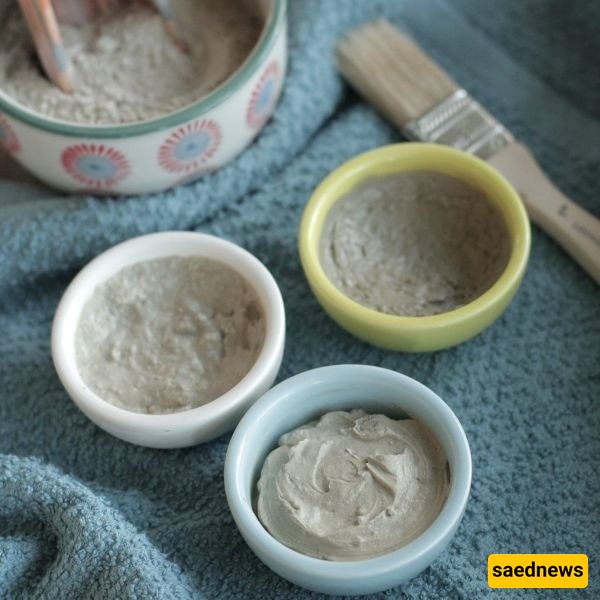
Skin Type | Benefits | Frequency | Recommended Mix |
|---|---|---|---|
Oily | Oil control, acne reduction | 2–3 times/week | Clay + apple cider vinegar |
Dry | Gentle cleansing | 1 time/week | Clay + honey |
Combination | Skin balance | 1–2 times/week | Spot application |
Sensitive | Reduces irritation | Every 10 days | Mild clay + rose water |
Is clay mask suitable for all skin types?
Yes, but it should be used according to skin type and sometimes combined with other ingredients.
Does clay mask dry out the skin?
Yes, if overused or left on too long, it can cause dryness.
Is clay mask effective for acne?
Yes, it is one of the most effective options for reducing acne and pimples.