SAEDNEWS: Coriander is one of the highly beneficial and well-known herbs in traditional medicine, offering dozens of therapeutic properties for treating and preventing certain diseases, which you can make use of.
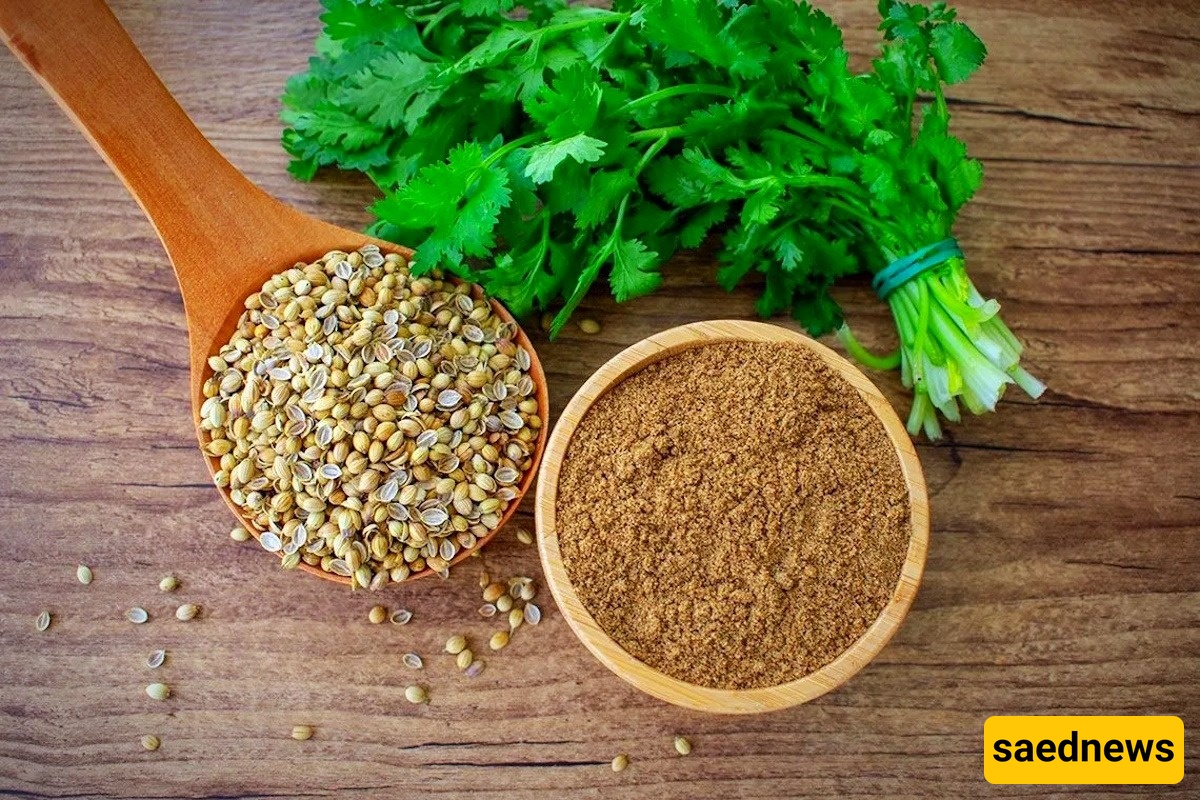
According to Saednews, Coriander is a widely used herb in cooking. It is native to Southwest Asia and parts of North Africa and is commonly consumed across the Middle East, Mediterranean region, India, South Asia, Latin America, China, and Africa. In addition to its aroma and flavor, coriander has notable nutritional value.
In traditional medicine, coriander is considered cold and dry in nature. People with a cold constitution are advised to consume it in moderation. Coriander seeds also share the same cold and dry temperament.
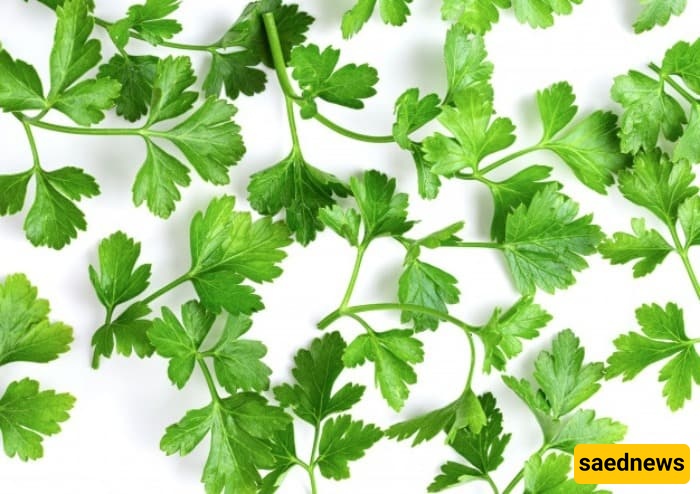
Coriander is a medicinal plant rich in vitamins and essential minerals. It is known to support digestion, strengthen the body, and help detoxification.
Coriander contains:
Vitamin A
Vitamin C
Vitamin B6
Iron
Magnesium
Calcium
Potassium
Fiber
It is known to improve stomach function and digestion. Some studies suggest it may help remove heavy metals such as lead and aluminum from the body.
In traditional medicine, coriander seed infusion is sometimes used to help regulate bodily functions and may support reproductive health issues.
Coriander is believed to help improve skin health and reduce certain skin disorders due to its anti-inflammatory properties.
Coriander helps prevent acid formation in the stomach and may reduce bile-related pain. In traditional sources, coriander seeds have also been used for certain nervous and anxiety-related conditions.
Coriander has anti-inflammatory properties that may help reduce symptoms of arthritis. It is also considered helpful in supporting the immune system and protecting against urinary infections.
Coriander has expectorant properties and may help reduce phlegm buildup and improve breathing conditions.
Coriander is traditionally believed to help regulate hormones and endocrine secretions. It may support uterine health, menstrual regulation, and reduce menstrual pain. It is also sometimes used as a complementary remedy for PCOS symptoms by supporting hormonal balance and blood sugar control, alongside medical treatment and lifestyle changes.
Coriander contains compounds such as linoleic acid, oleic acid, palmitic acid, stearic acid, and vitamin C. These may help reduce LDL (bad cholesterol), increase HDL (good cholesterol), and support cardiovascular health. It may also help reduce blood pressure due to its mild diuretic effect.
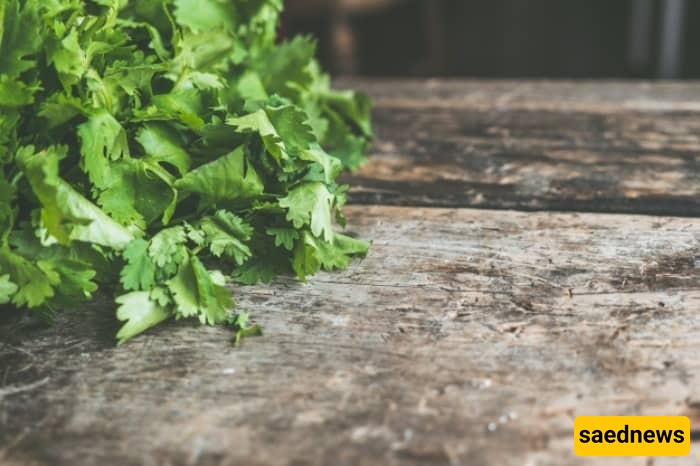
Coriander has antimicrobial and antiparasitic properties. It may support liver function and help fight bacteria such as Salmonella.
Coriander contains natural antihistamine compounds that may reduce seasonal allergy symptoms and hay fever.
Coriander contains iron, which may help improve iron-deficiency anemia and increase energy levels, reduce fatigue, and support oxygen transport in the body.
Coriander seeds are widely used in traditional medicine for their digestive, anti-inflammatory, and strengthening effects.
Ground coriander seeds mixed with honey or sugar are used as a general tonic.
Coriander seed decoction is used to soothe cough and loosen chest congestion.
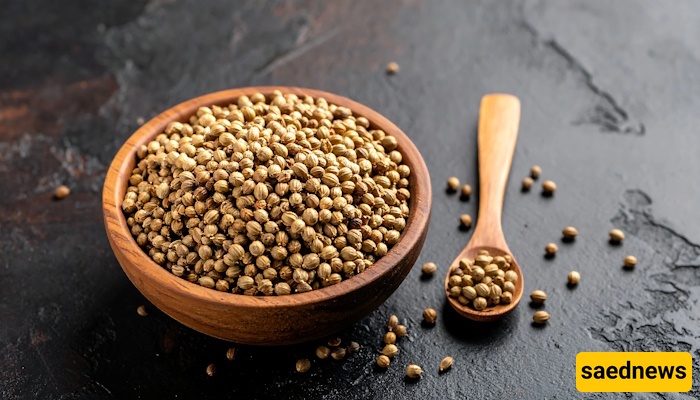
Coriander seeds may help reduce nausea, vomiting, bloating, and indigestion during pregnancy. However, they should be used cautiously and under medical supervision. In breastfeeding, they are traditionally believed to support milk production.
Coriander seeds may support overall health, reduce inflammation, and improve sexual function. They are also believed to help prostate health.
Coriander seeds have diuretic properties and may support kidney and urinary tract health, including mild infections.
Their anti-inflammatory effects may help protect the brain and potentially reduce the risk of neurodegenerative diseases.
Coriander seeds may help reduce sore throat, cough, and inflammation during colds and flu.
Due to their fiber content, coriander seeds may reduce appetite and support metabolism and weight management.
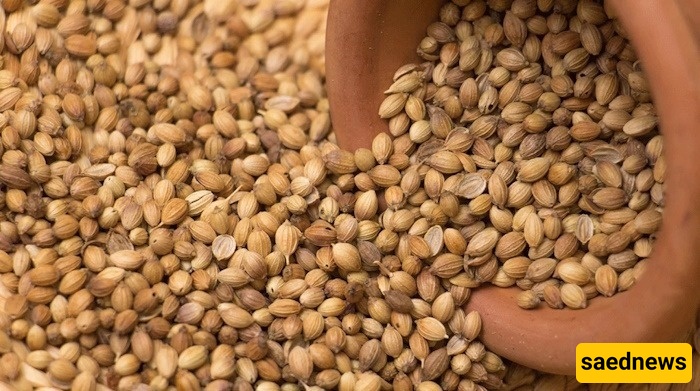
Coriander seeds may help regulate blood sugar and support insulin activity, but should be used cautiously under medical supervision.
Coriander seeds may help regulate hormonal activity due to their antioxidant and mineral content.
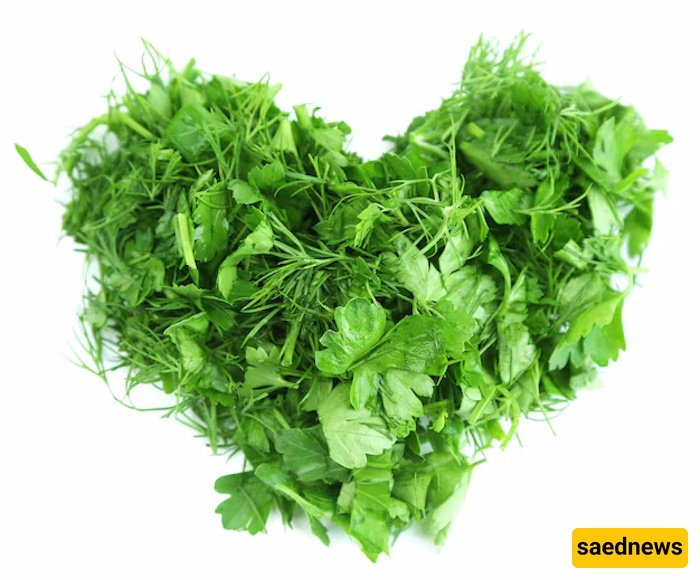
Coriander water is used in traditional medicine for various purposes:
Calming the nervous system and improving memory
Helping control blood sugar and uric acid
Relieving burning sensation in the tongue
Acting as a mild sedative and anti-convulsant
Supporting sleep quality
Acting as a diuretic (excess use may cause weakness)
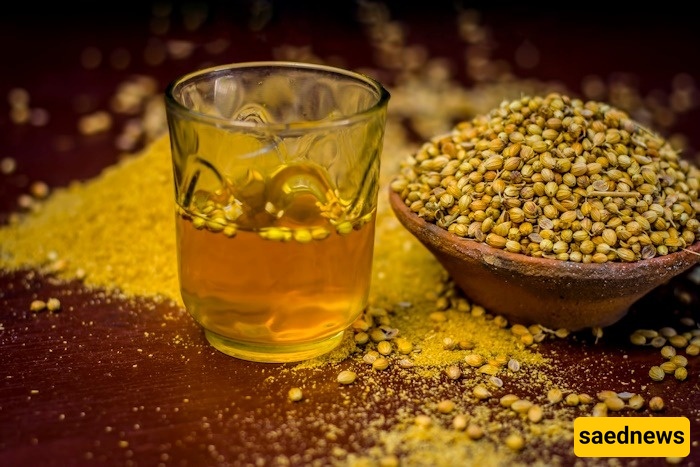
In traditional medicine, coriander is used for:
Heart, brain, and stomach strengthening
Reducing bile and anxiety
Improving sleep quality
Supporting digestive balance
Other traditional uses include:
Eye conditions (with caution)
Sinus congestion relief
Eczema and skin irritation support
Urinary burning relief
Oral health improvement

Coriander is used in natural skincare masks due to its antioxidant and anti-inflammatory properties.
Used for improving skin brightness and reducing fatigue.
Coriander juice may help reduce acne and inflammation.
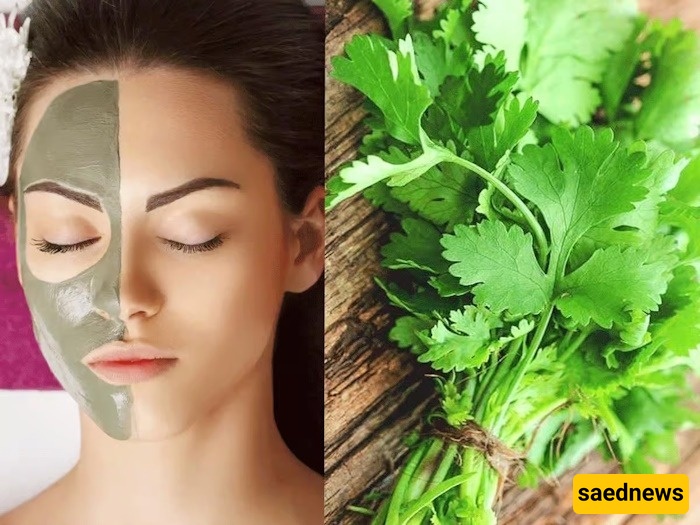
Mixtures with herbs, honey, and oils are used to reduce wrinkles and improve skin elasticity.
Despite its benefits, excessive use may cause:
Allergic reactions (itching in mouth, lips, throat, or eyes)
Lower blood sugar (risk for diabetics on medication)
Lower blood pressure (caution for those on antihypertensive drugs)
Moderation and medical consultation are recommended, especially for people with chronic conditions.