SAEDNEWS: We Throw Away Many Parts of Fruits and Usually Only Eat the Flesh Inside
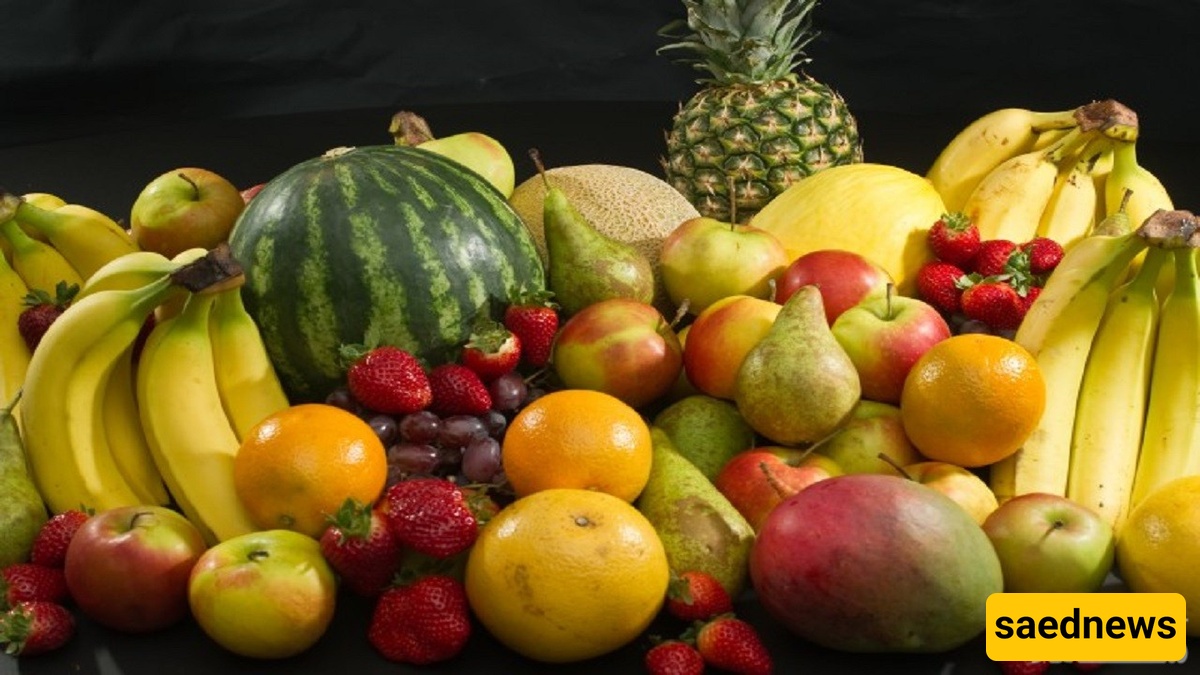
According to Saed News, citing Simorgh, many of us tend to discard large portions of fruits and usually consume only their inner, fleshy parts. However, it may surprise you to learn that eating the skins of many fruits—such as bananas, kiwis, and watermelons—not only poses no harm but can even be beneficial. Below are some fruit parts you might not have realized are edible:
Mango Peel
Although most people only eat the juicy flesh of a mango, its peel is also rich in nutrients, including vitamins A and C, fiber, and minerals. Studies have shown that extracts from mango peel have stronger antioxidant and anticancer properties than those from the fruit’s flesh. However, some individuals may be sensitive to mango peel, and if it is not washed properly, pesticide residue may pose a risk. Additionally, its texture is less pleasant than the inner fruit.

Banana Peel
While many people never even consider eating banana peel, it contains potassium, dietary fiber, polyunsaturated fats, and essential amino acids. Research has shown that banana peels—especially from unripe bananas—are rich in antioxidants. You can blend banana peel into smoothies, but be sure to wash it thoroughly first.

Orange Peel
Seeing someone bite into an orange like an apple might seem unusual, but orange peel is not only edible—it is packed with natural antioxidants, calcium, B vitamins, and vitamins A and C. In fact, it contains more fiber than the fruit’s interior. Thin strips of orange peel can also have a pleasant taste.

Lemon Peel
Lemon peel contains nutrients such as calcium, potassium, and vitamin C. While it is commonly used in cooking as thin zest strips, the entire peel is edible. However, experts note that citrus peels like lemon and orange can be difficult to digest.

Kiwi Skin
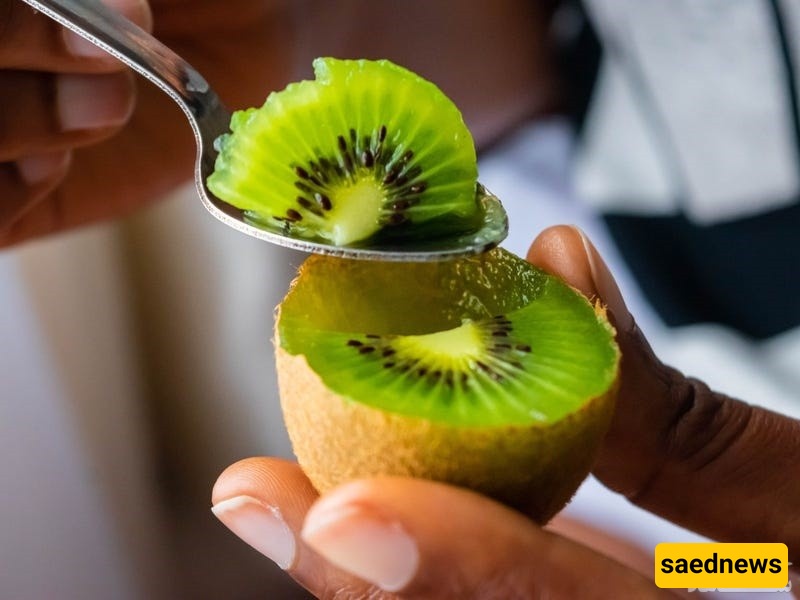
Kiwi skin is a rich source of water-soluble fiber. In fact, it contains nearly three times as much fiber as the fruit’s flesh.
Watermelon Rind
Although the juicy red flesh is the most popular part of watermelon, the entire fruit—including the rind—is edible. Watermelon rind offers numerous benefits, largely due to its high concentration of the amino acid citrulline. Citrulline may enhance libido in some individuals, improve oxygen delivery to muscles, lower blood pressure, and serves as a good source of fiber.

Avocado Pit
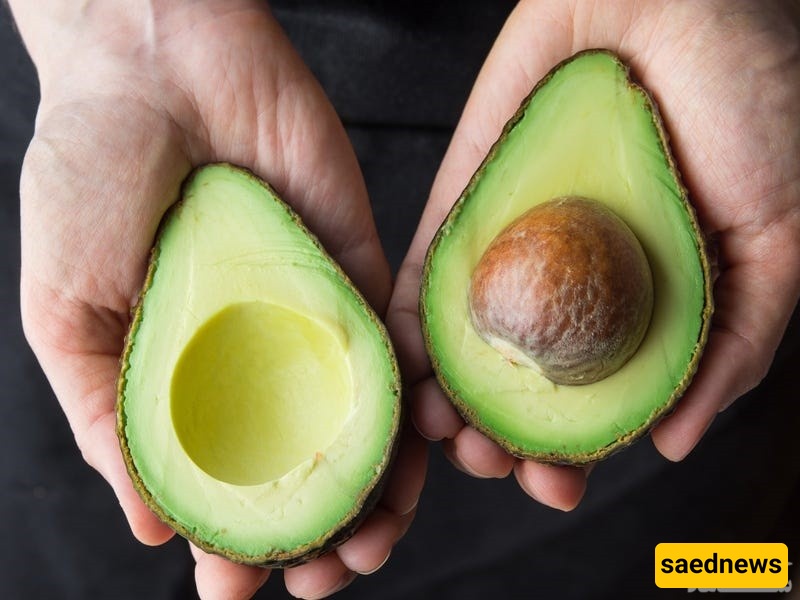
The avocado pit makes up about 18% of the fruit and is usually discarded along with the peel. While there is still some debate about its safety, certain methods of using avocado pits are believed to have health benefits. Studies suggest that powdered avocado pit may reduce bad cholesterol (LDL) and overall cholesterol levels in mice, and some research indicates that its extract has strong antioxidant properties.
Carrot Leaves
There is a common belief that carrot leaves are inedible or even toxic, but this is not true. They are safe to eat and contain beneficial vitamins. Although some carrot leaves may taste slightly bitter, they can be used in salads, sauces, soups, and many other dishes.

Broccoli Stems
While many people prefer to eat only the dark green, tree-like tops of broccoli, the stems are equally nutritious and flavorful. The stems are milder and slightly sweeter in taste, and when prepared properly, they can be just as delicious and rich in fiber and antioxidants.

Pineapple Core
The core of a pineapple is firmer and less sweet than the surrounding flesh, but it is just as nutritious and rich in vitamin C. So next time you cut a pineapple, there’s no need to discard the core.