SAEDNEWS: The benefits of rain for humans and nature are beyond what we often imagine. From purifying the air through rainfall to its impact on health and the environment, you can learn more about these effects in this article.

According to Saednews, The sound of rain, in every season, is soothing and pleasant for many of us. Some people consider it a symbol of love and peace, while others enjoy its distinctive and refreshing scent. Walking in rainy weather can feel therapeutic; it seems to calm the mind and help release hidden emotions and thoughts.
It is worth paying attention to the positive psychological effects of this divine blessing, which are briefly summarized below. Of course, the benefits of rain are far more extensive than these, and they have been discussed in detail in previous articles.
The smell of rain reduces stress and brings a sense of calm and relaxation.
Rain, by increasing humidity, keeps skin and hair soft and healthy, and due to its slightly alkaline nature, it may help improve their condition.
Research has shown that physical activity in cold and rainy weather can burn more calories and fat compared to normal days.
Rain helps clean the air by absorbing dust and microbes, resulting in fresher air for breathing.
Walking in the rain brings feelings of peace and happiness. It helps people view problems from a new perspective, release negative thoughts, and achieve mental balance. If you are facing an important decision, walking in the rain may help you think more clearly.
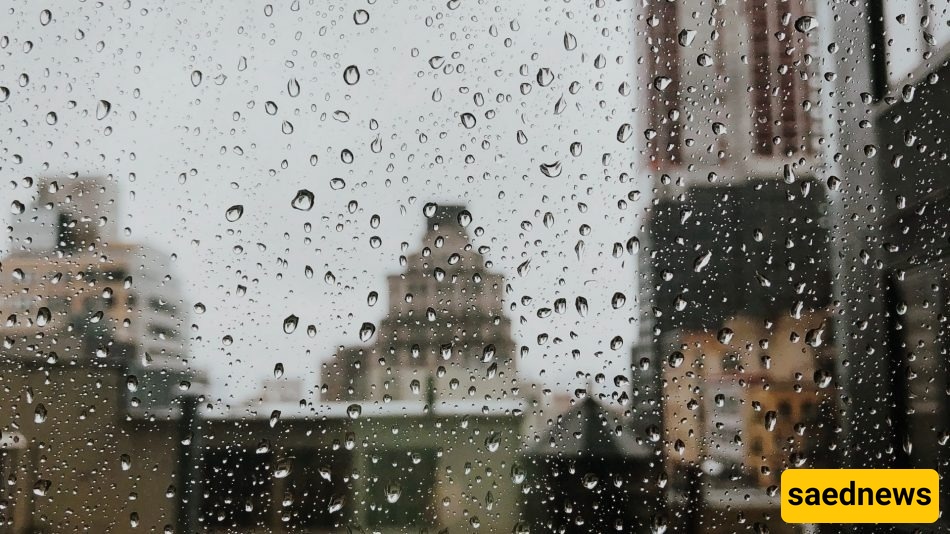
Benefits of Rain for Nature and Human Life
Rain is more than just a weather phenomenon; it plays a vital role in maintaining ecological balance and supporting human life. Some of its most important benefits include:
Rain is a primary source of irrigation for plants and helps them grow, remain fresh, and maintain the beauty of leaves and flowers.
Rain fills rivers, lakes, and dams, providing essential water for cities and agriculture during dry seasons.
Rainfall increases groundwater levels and helps reduce the damaging effects of drought in various regions.
Rain improves air quality by absorbing pollutants and carbon dioxide, contributing to human health.
Rain plays a key role in irrigating crops and increasing agricultural yields.
By keeping vegetation moist and reducing dryness, rain lowers the risk of fires in forests and dry areas.