SAEDNEWS: Here Are 7 Amazing Homemade Fertilizers You Can Use in Your Garden for Free
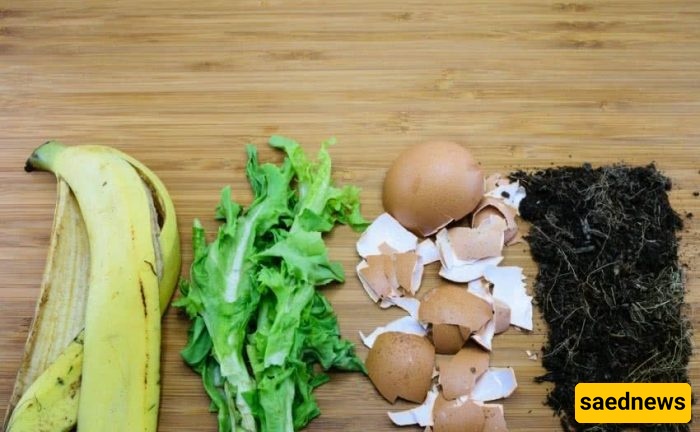
According to the Family Magazine service of Saed News, here are 7 amazing homemade fertilizers. You can use these types of fertilizers in your garden without any extra cost:
1. Milk
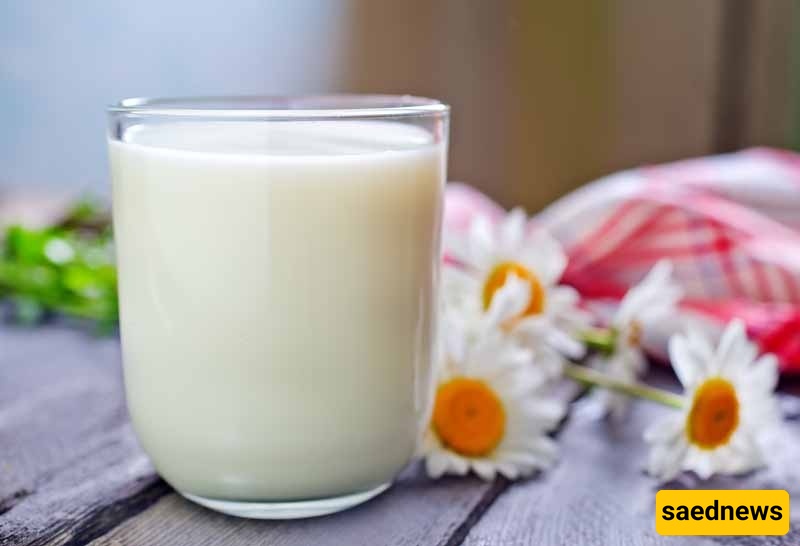
You probably didn’t know that milk is not only beneficial for you but also for your plants, and you can use it to make fertilizer at home. In fact, using milk as a fertilizer has been a practice for a long time. Milk is an excellent source of calcium and also contains useful proteins, vitamin B, and sugars that benefit plants, improving their overall health and performance. You can use fresh or expired milk, condensed milk, or even powdered milk. Just make sure to dilute it at least 50/50 with water. Use this solution as a foliar spray or pour it around plants so their roots can gradually absorb the milk. If using powdered milk, you can simply sprinkle it on the soil or mix it with water.
2. Gelatin
Yes, we mean gelatin, specifically unflavored gelatin. Gelatin is a very good fertilizer for houseplants and other leafy plants grown in the garden. Why is gelatin useful? Essentially, gelatin is a type of collagen made from animal bones, skin, and similar sources, and it is a very good source of nitrogen that promotes plant growth. To use gelatin, dilute it with plenty of water—a packet in about one liter of water (dissolve the gelatin in a cup of hot water, then add 3 cups of cold water). Pour this solution directly onto the soil around your plants once a month.
3. Eggshells
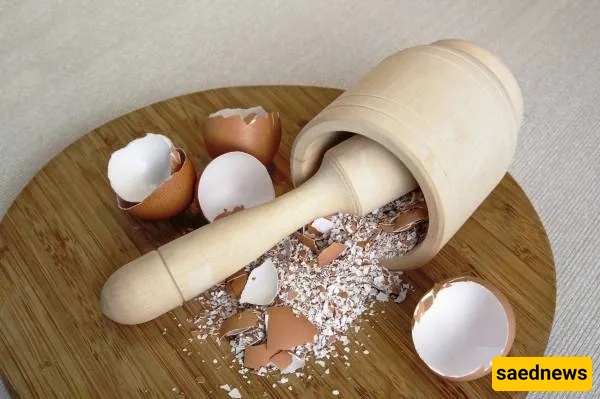
Most of us know that calcium strengthens bones, but did you know that plants also benefit from this nutrient? Eggshells are full of calcium and also contain small amounts of nitrogen, phosphoric acid, and other elements. As a fertilizer, they help increase cell division and promote stronger, healthier plant growth. They can also reduce blossom-end rot in tomatoes. Wash and crush the eggshells (you can even blend them), then sprinkle them on garden soil or add them to your compost pile. Similarly, you can make a calcium spray fertilizer. Fill a 4-liter container with water and eggshells and let it soak for about a month. Mix 1 cup of this solution with 1 liter of water in a spray bottle and use it as a foliar spray. Note: You can also use leftover boiled egg water to achieve similar results.
4. Cooking Water
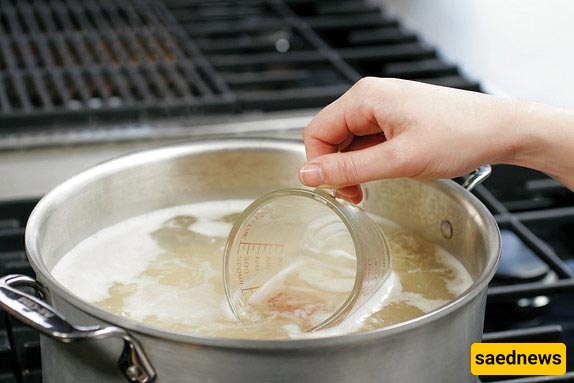
Here we mean boiled water, specifically water that has cooled down. This water can be an excellent fertilizer for garden plants. In fact, water used to boil potatoes, vegetables, eggs, or pasta is full of nutrients like phosphorus, nitrogen, iron, calcium, and more. Instead of discarding this leftover water, let it cool and then water your plants with it. This will help your plants grow healthier. This method is especially useful for houseplants, but any plant can benefit from this low-cost fertilizer.
5. Coffee
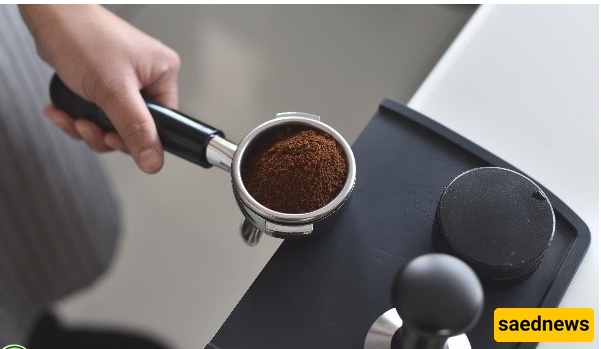
For many people, life without morning coffee is unbearable. Interestingly, plants also benefit from coffee and it can be used to make fertilizer at home. Using coffee grounds as fertilizer adds organic matter, improves soil drainage, retains moisture, and aerates the soil. Coffee also contains about 2% nitrogen. It is said that coffee grounds are particularly beneficial for acid-loving plants. Just remember, this only applies to unwashed coffee grounds—fresh coffee grounds are acidic, while used grounds are almost neutral. The best way to use coffee grounds is through composting. However, you can also sprinkle coffee on the soil around plants or mix it with water. In addition to adding nutrients, if you want to boost acid-loving plants, don’t discard your leftover coffee. Using diluted coffee as fertilizer can increase soil acidity, with a pH ranging from 5.2 to 6.9.
6. Banana
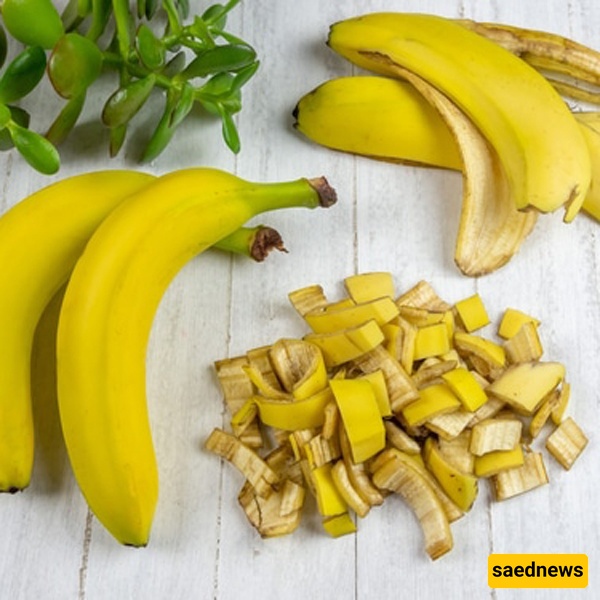
Bananas are not only good for our health but can also benefit plants. Bananas are an excellent source of potassium, which is very beneficial for soil. They can also provide phosphorus to plants. While some sources suggest placing banana peels directly on the soil to release nutrients, it is usually recommended to compost the peels first. To do this, chop the banana peels into smaller pieces so they decompose faster. Alternatively, you can skip composting and make homemade liquid fertilizer. Simply chop the banana peels, place them in a container of water, and let them sit for a week. Then water your plants with this liquid and add the remaining peels to your compost pile.
7. Vinegar
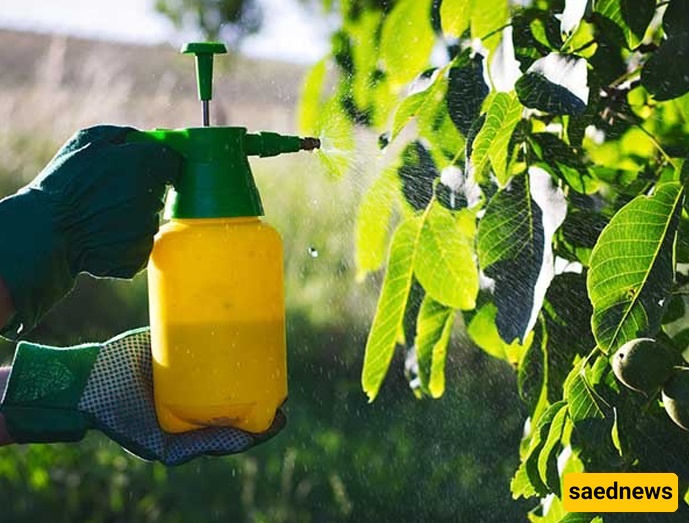
We are all aware of the benefits of vinegar, but few know that it can be used to make fertilizer at home. In the garden, vinegar—usually white vinegar—acts as an effective organic herbicide. What you may not know is that apple cider vinegar (with 5% acidity) can be used as a fertilizer to keep plants healthy. Just one tablespoon of vinegar (one tablespoon in 4 liters of water) can boost plant defenses, helping repel pests, insects, and microbes. It also accelerates germination and increases plant yield. Pour the diluted vinegar solution onto the soil around your plants to support their health and vitality.
Final Tip for Homemade Fertilizer
This tip is for those who have a freshwater fish aquarium (not saltwater). When cleaning the aquarium, don’t discard the water. Instead, use it for your houseplants. This water is rich in beneficial bacteria, potassium, phosphorus, nitrogen, and other trace nutrients that help plants thrive. Fish waste is also an excellent plant fertilizer.