SAEDNEWS: Percussion is one of the oldest families of musical instruments in the world. By creating rhythm and beats, it brings energy, movement, and coordination to music.
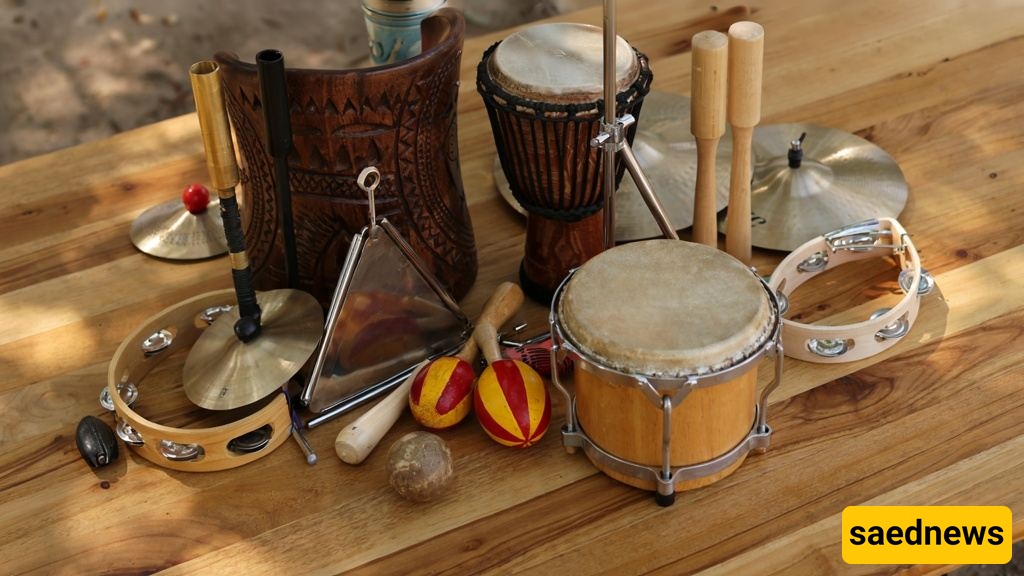
According to Saednews, Percussion refers to a broad family of musical instruments that produce sound through striking, shaking, rubbing, or bringing two objects into contact. Instruments such as the daf, tombak, cajón, drums, timpani, maracas, and tambourine are among the best-known percussion instruments. They play an essential role in creating rhythm, maintaining the beat, and adding energy and dynamics to music.
The English word “percussion” refers to the act of striking or hitting. In music, the term describes a large family of instruments in which sound is produced through striking, shaking, rubbing, or the collision of two parts.
Percussion is considered one of the oldest forms of musical instrumentation and can be found in almost every culture and musical tradition. From traditional Iranian music to classical, jazz, rock, pop, and folk music around the world, percussion instruments play an important role in creating rhythm and maintaining coordination within a performance.
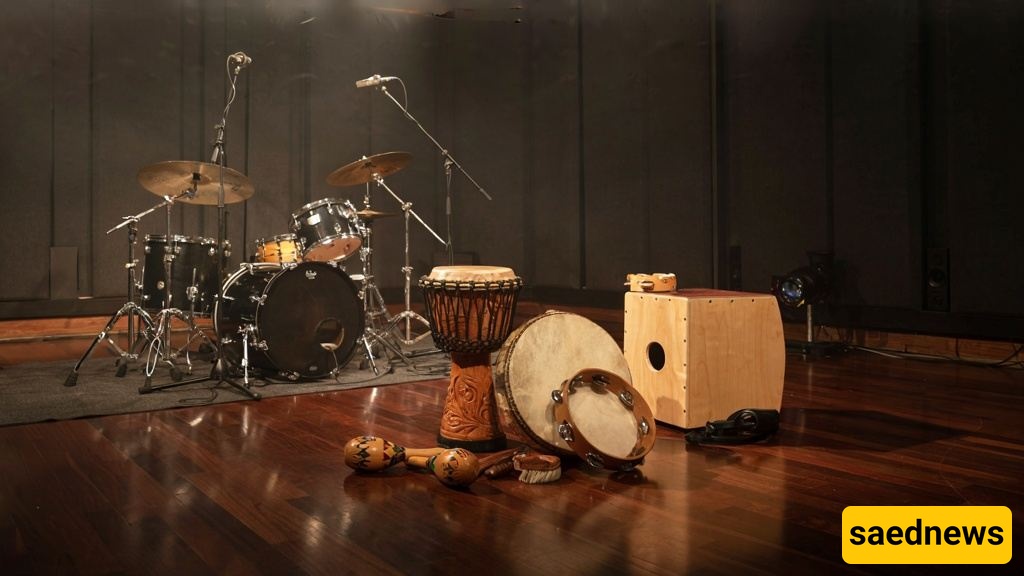
Unlike string or wind instruments, percussion instruments create sound through the vibration of a body, membrane, piece of wood, or metal. A musician may use their hands, fingers, drumsticks, specialized brushes, or simply shake the instrument to produce sound.
The material, size, shape, and striking position of an instrument all have a direct effect on its tone and volume. As a result, every percussion instrument has its own distinctive sound and is better suited to certain musical styles and applications.
Percussion instruments are extremely diverse and are generally divided into two main categories: pitched percussion instruments and unpitched percussion instruments.
Some of the most familiar percussion instruments include:
Daf
Tombak
Drum kit
Cajón
Timpani
Bongo
Conga
Maracas
Tambourine
Triangle
Bells
Cymbals
Shakers
Each instrument has different applications in ensembles, orchestras, live performances, and solo playing.
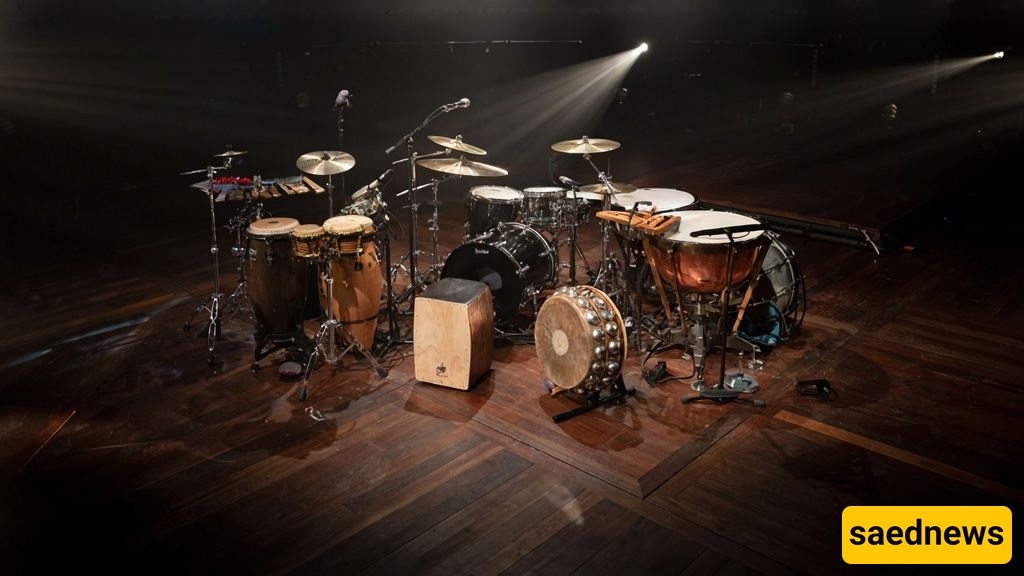
The primary function of percussion instruments is to create rhythm and maintain the beat of a musical piece. They help other musicians and singers stay synchronized while also making it easier for listeners to feel and follow the rhythm.
Beyond maintaining the beat, percussion is used to:
Create excitement and energy
Add rhythmic variety
Change the atmosphere of a musical piece
Emphasize important sections
Enhance musical dynamics
Support other instruments and vocals
For these reasons, percussion has a strong presence in both live performances and professional studio recordings.
Many percussion instruments are suitable for beginners because learning basic rhythmic concepts can be relatively straightforward compared with some other instruments. However, reaching a professional level requires consistent practice, an understanding of different rhythms, and precise hand coordination.
Learning percussion can help develop:
A strong sense of rhythm
Hand-eye and motor coordination
Concentration
Timing and musical awareness
Confidence in musical performance
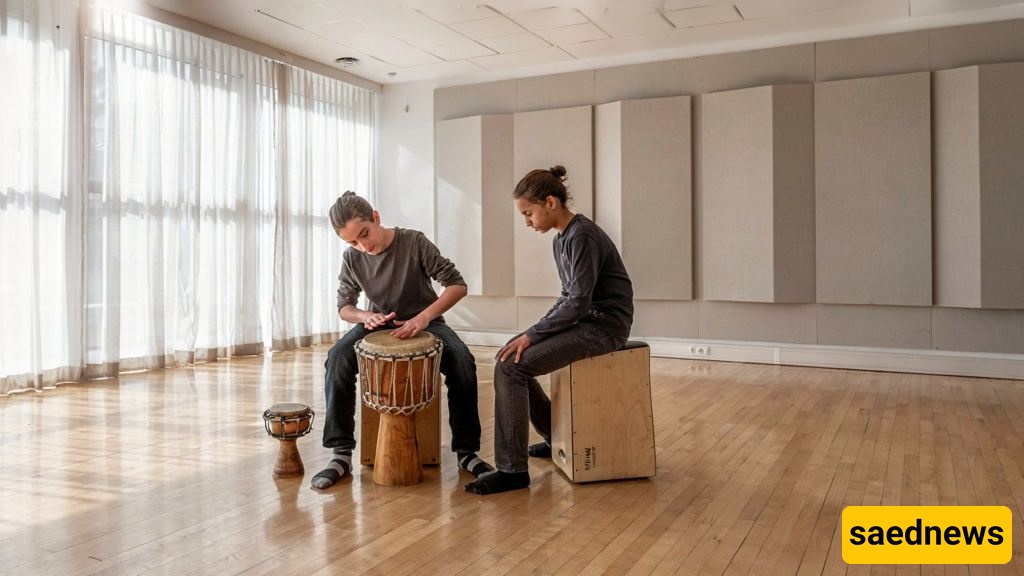
If you are planning to buy a percussion instrument, consider its build quality, materials, drumhead or playing surface, brand, and playing comfort. Your choice should also match your musical style, skill level, and budget.
For beginners, choosing a reasonably priced, well-built instrument from a reputable brand is generally a better option than buying an extremely cheap, low-quality model. Sound quality and durability can have a significant impact on the learning experience.
Percussion is not limited to music. These instruments also play important roles in traditional ceremonies, religious events, celebrations, and street performances.
Many modern percussion instruments have roots dating back thousands of years. Despite their ancient origins, they continue to evolve and are widely used in contemporary music.
Today, combining traditional and modern percussion instruments gives music a broader range of tones and textures and is common in professional music production.
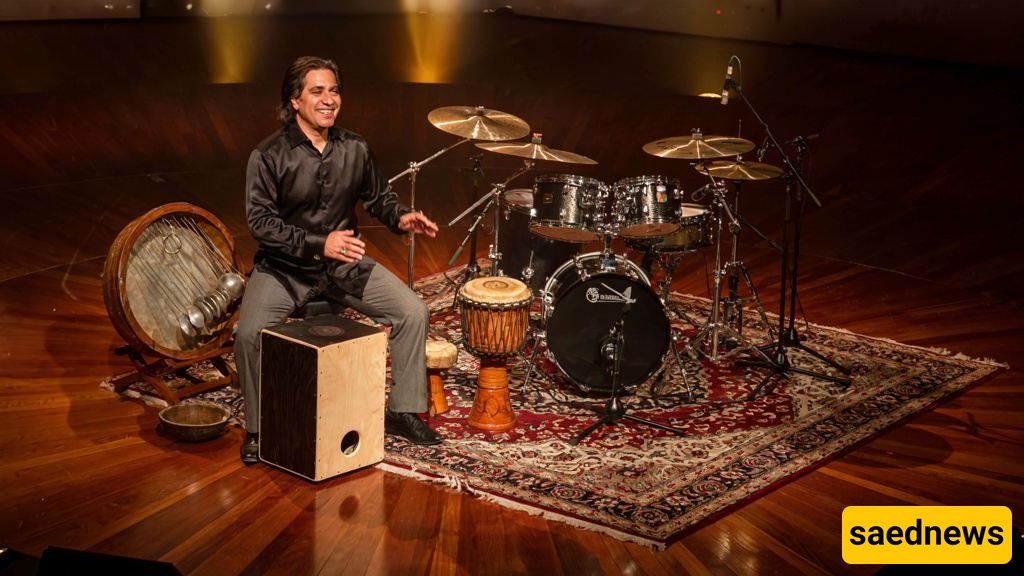
Percussion is a large family of instruments whose main functions are to create rhythm, support coordination, and add energy and dynamics to music. From the daf and tombak to drums and cajóns, each percussion instrument has unique characteristics and applications.
Whether you are interested in traditional music, contemporary genres, orchestral performance, or simply want to develop your sense of rhythm, percussion can be an excellent instrument family to explore.