SAEDNEWS: How Much Rice Should You Cook Per Person? A Guide to the Right Serving Size
According to Saednews, One of the most common questions in cooking, especially when preparing Persian-style steamed rice or plain rice, is: How much rice is needed per person? The exact amount depends on several factors, including the type of rice, the meal being prepared, individual appetites, side dishes, and whether you are cooking for guests.
Using too little rice may leave everyone with insufficient portions, while cooking too much can lead to unnecessary food waste. Knowing the recommended serving size can help you save money and plan meals more efficiently.
This guide explains how much rice to prepare per person in different situations. It also includes a practical serving chart for different group sizes, along with tips for measuring rice using cups and adjusting quantities for crispy rice crust (tahdig).
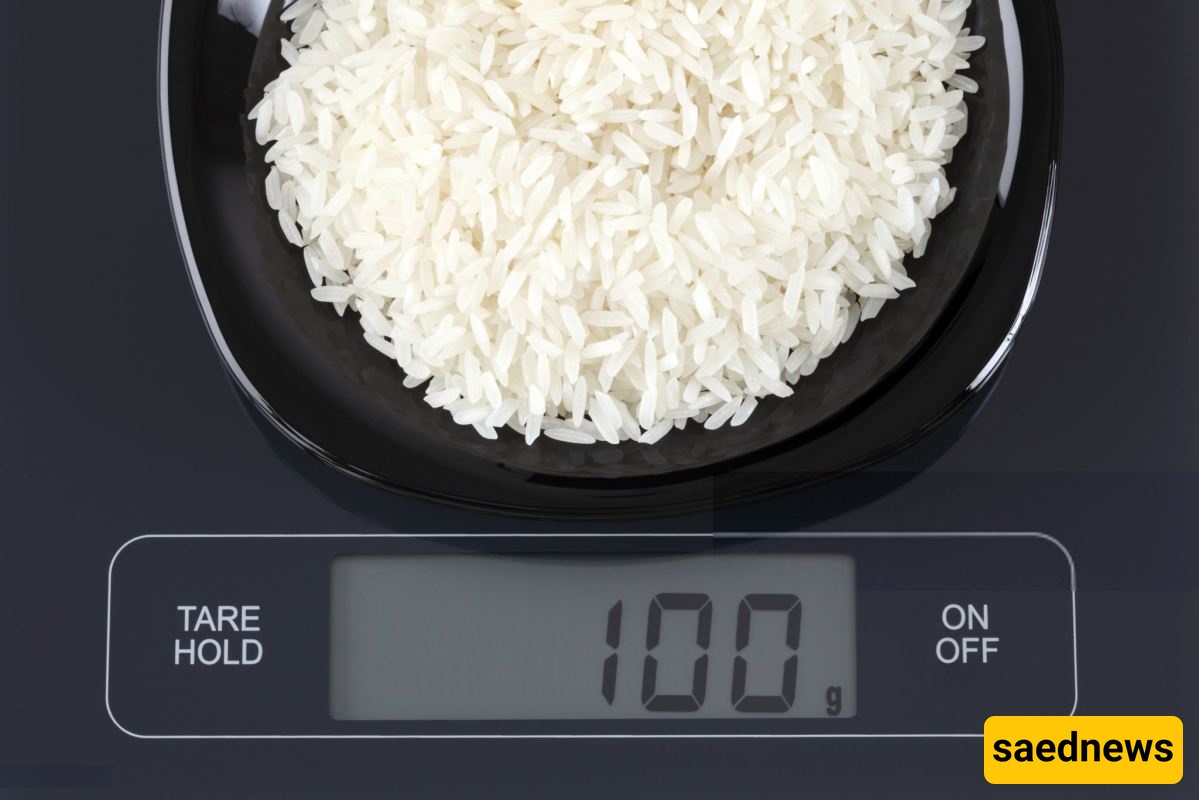
As a general guideline, 80–100 grams of uncooked rice per person is sufficient for a main meal in which rice is the primary component. This is approximately half of a 200 ml measuring cup, or slightly more.
After cooking, rice typically increases to two or three times its original volume. Therefore, 100 grams of uncooked rice usually yields approximately 250–300 grams of cooked rice, which is suitable for an average serving.
If guests have larger appetites or rice is served with only yogurt, salad, and pickles, you can increase the amount to 100–120 grams per person.
On the other hand, if rice is served alongside a substantial stew, meat, or several side dishes, 70–90 grams per person is usually enough.
For lighter meals or smaller portions, 50–70 grams of uncooked rice per person may be appropriate.
The following table provides approximate quantities for a main meal, assuming an average appetite.
Number of people | Uncooked rice | Approximate 200 ml cups |
|---|---|---|
1 person | 80–100 g | ½ cup |
2 people | 160–200 g | 1 cup |
3 people | 240–300 g | 1½ cups |
4 people | 320–400 g | 2 cups |
5 people | 400–500 g | 2½ cups |
6 people | 480–600 g | 3 cups |
8 people | 640–800 g | 4 cups |
10 people | 800–1,000 g | 5 cups |
When cooking for a gathering, it is generally a good idea to prepare 10–15% extra rice to ensure there is enough for everyone.
If you are making tahdig (Persian crispy rice crust), you may also need a little extra rice because some of it will be used to prepare the crust. Consider increasing the total quantity by approximately 10–15%.
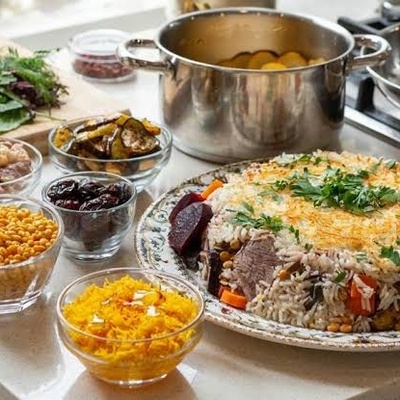
If rice is served as the main dish, such as barberry rice, broad bean rice, or herb rice, you may need a larger portion.
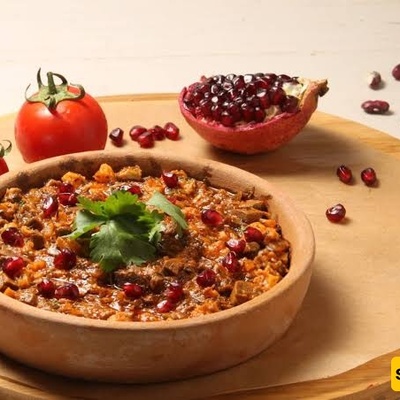
However, when rice is served with filling dishes such as Persian beef stew, eggplant stew, or meat-based stews, a smaller portion is usually sufficient.
Different rice varieties absorb water and expand differently during cooking.
Iranian rice varieties generally become longer and fluffier after cooking. Basmati rice also expands considerably. Some high-yield rice varieties, however, may produce a different cooked volume.
If you are using an unfamiliar variety, it is best to test a small quantity first.
The ages and appetites of your guests should also be considered.
For children, approximately half to two-thirds of an adult serving is generally sufficient. Older adults and people who prefer smaller portions may also need less rice.
If the meal includes bread, salad, yogurt, pickles, fresh herbs, and other accompaniments, guests may eat less rice.
For meals with several side dishes, you can slightly reduce the amount of rice per person.
When preparing food for a gathering, it is sensible to make a little extra rice to ensure everyone gets enough.
However, preparing too much can lead to unnecessary leftovers. A practical approach is to calculate the standard amount and add only 10–20% extra, depending on the occasion and your guests' appetites.
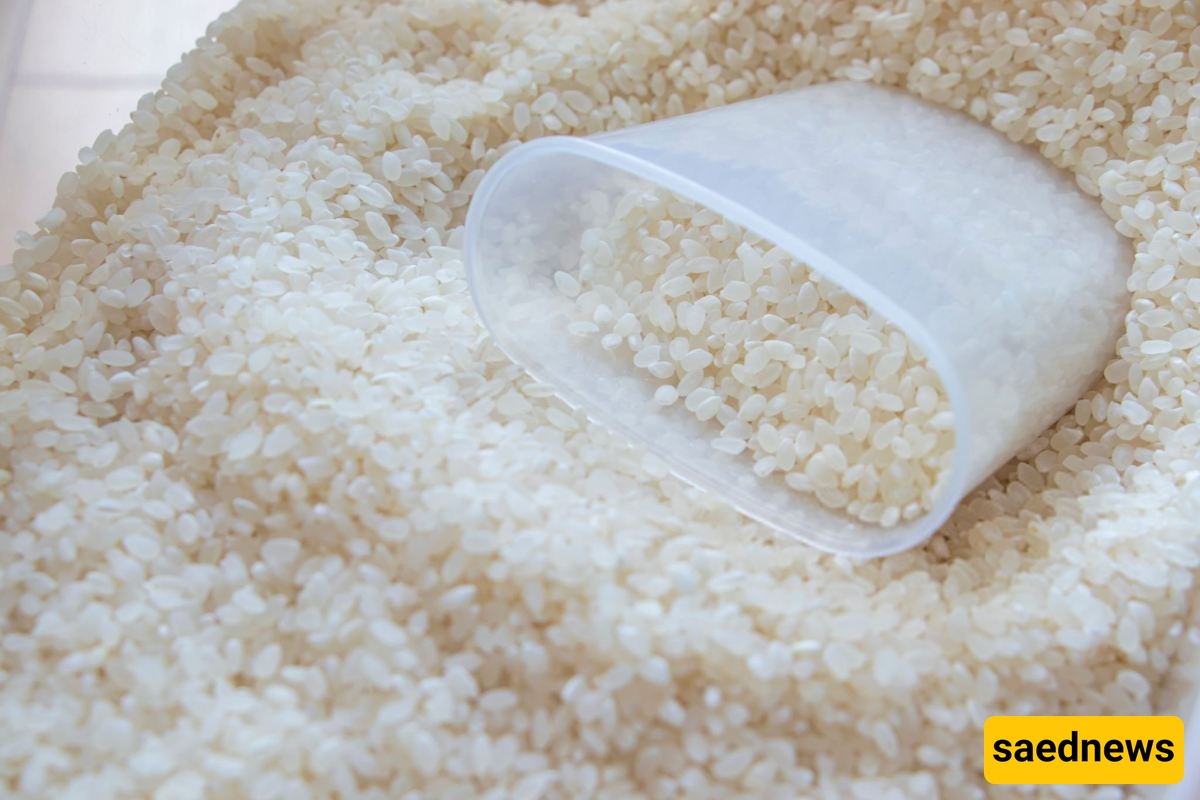
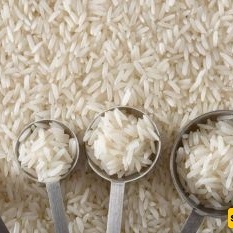
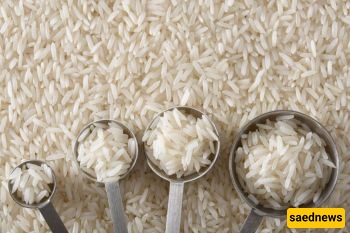
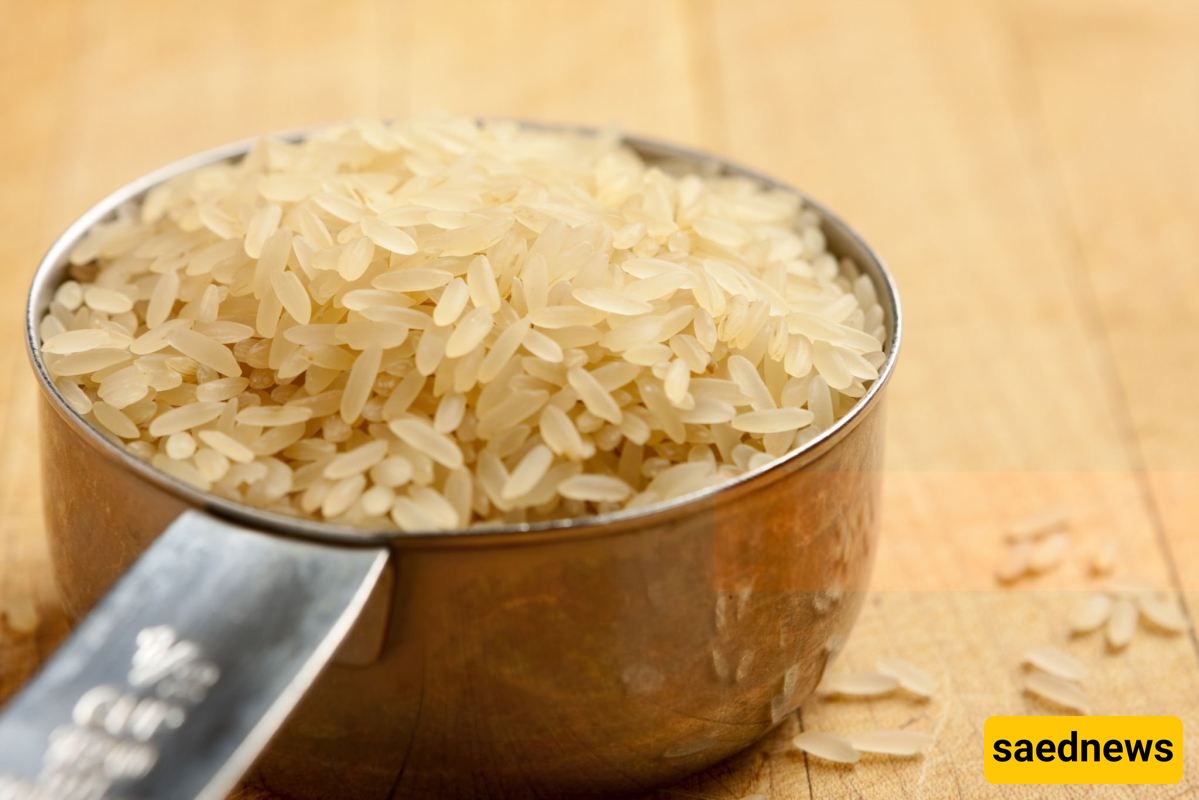
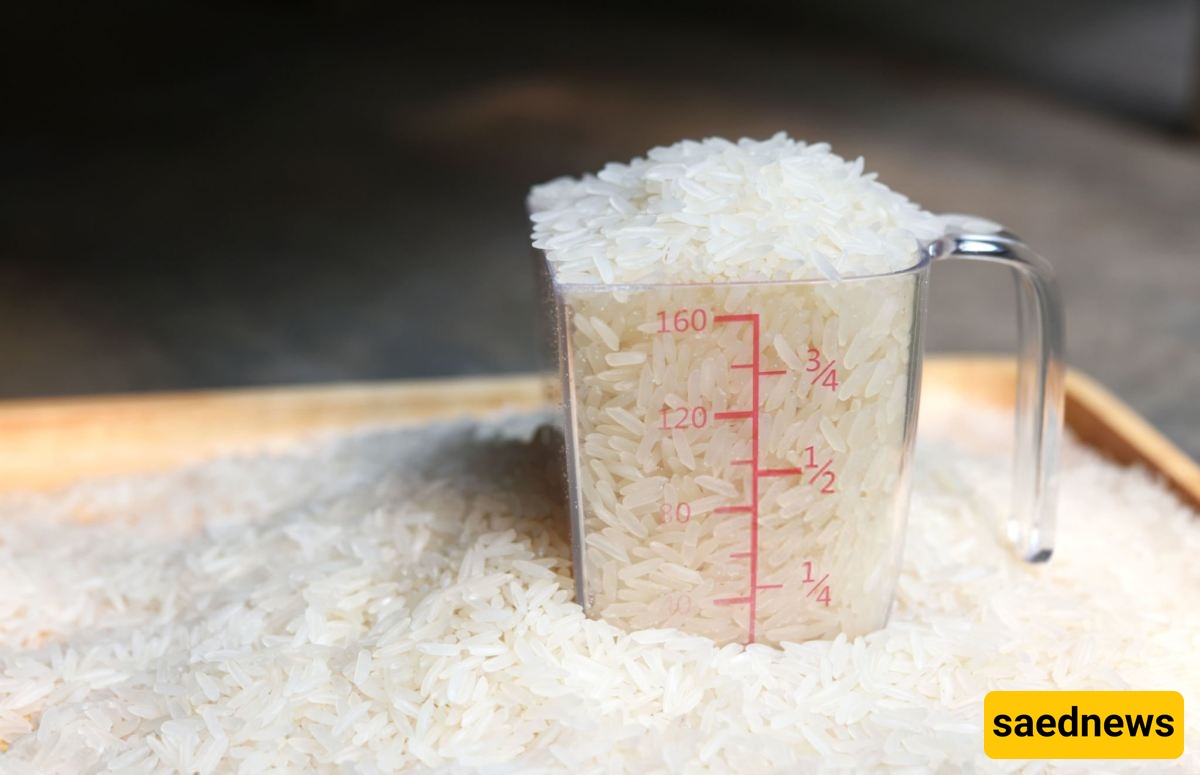
If you do not have a kitchen scale, you can measure uncooked rice using a standard measuring cup or glass.
A 200 ml measuring cup generally holds approximately 180–200 grams of uncooked rice.
Here is a simple conversion guide:
½ cup = approximately 90–100 grams
1 cup = approximately 180–200 grams
2 cups = approximately 360–400 grams
3 cups = approximately 540–600 grams
As a simple rule, allow approximately half a measuring cup of uncooked rice per person. This works well for most Persian rice dishes.
If a recipe specifies cooked rice rather than uncooked rice, remember that 100 grams of raw rice typically produces approximately 250–300 grams of cooked rice.
For an average meal, approximately 200–250 grams of cooked rice per person is generally sufficient.
This measurement is particularly useful for restaurant portions, meal preparation, and dietary planning.
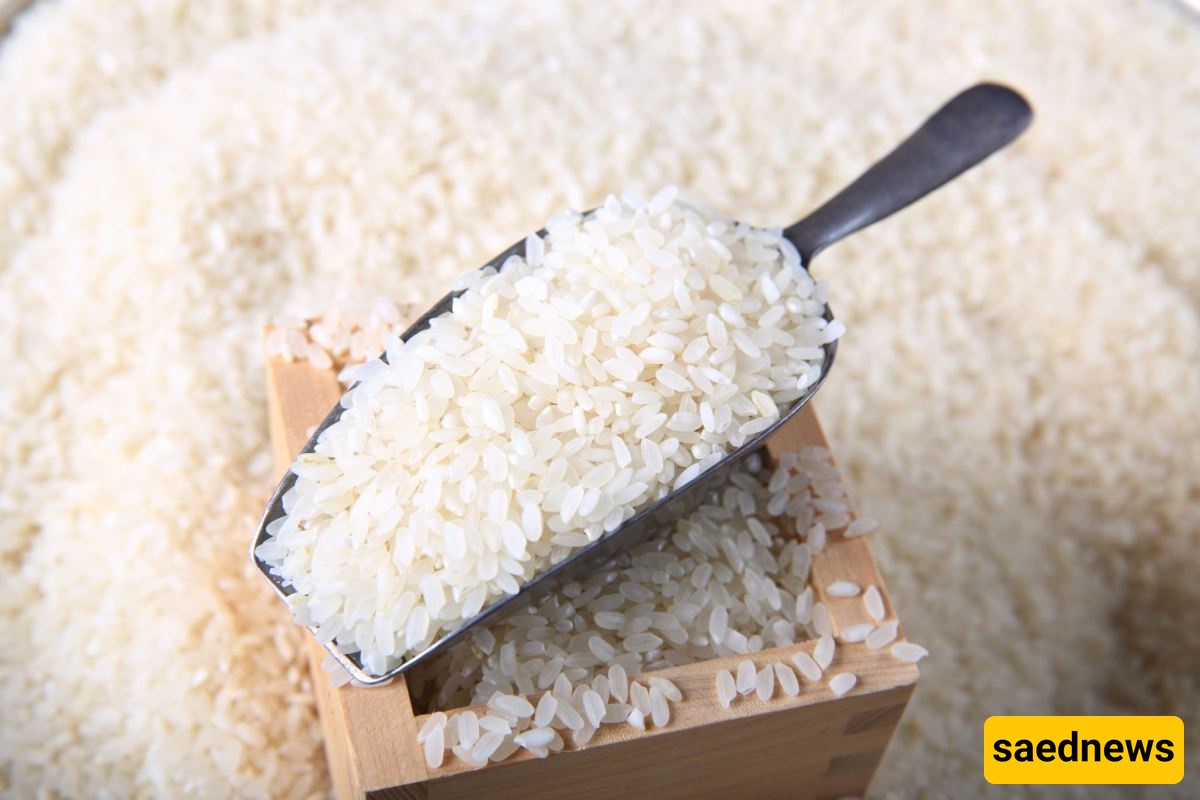
As a general rule, 80–100 grams of uncooked rice per person is a suitable amount for an average main meal.
Adjust the quantity according to the type of meal:
Rice served with stew: 70–90 grams per person.
Rice as the main dish: 100–120 grams per person.
Lighter meals: 50–70 grams per person.
Meals with tahdig or large gatherings: Add approximately 10–15% to the total quantity.
In simple terms, plan for approximately 400 grams for four people, 600 grams for six people, and 1 kilogram for ten people.
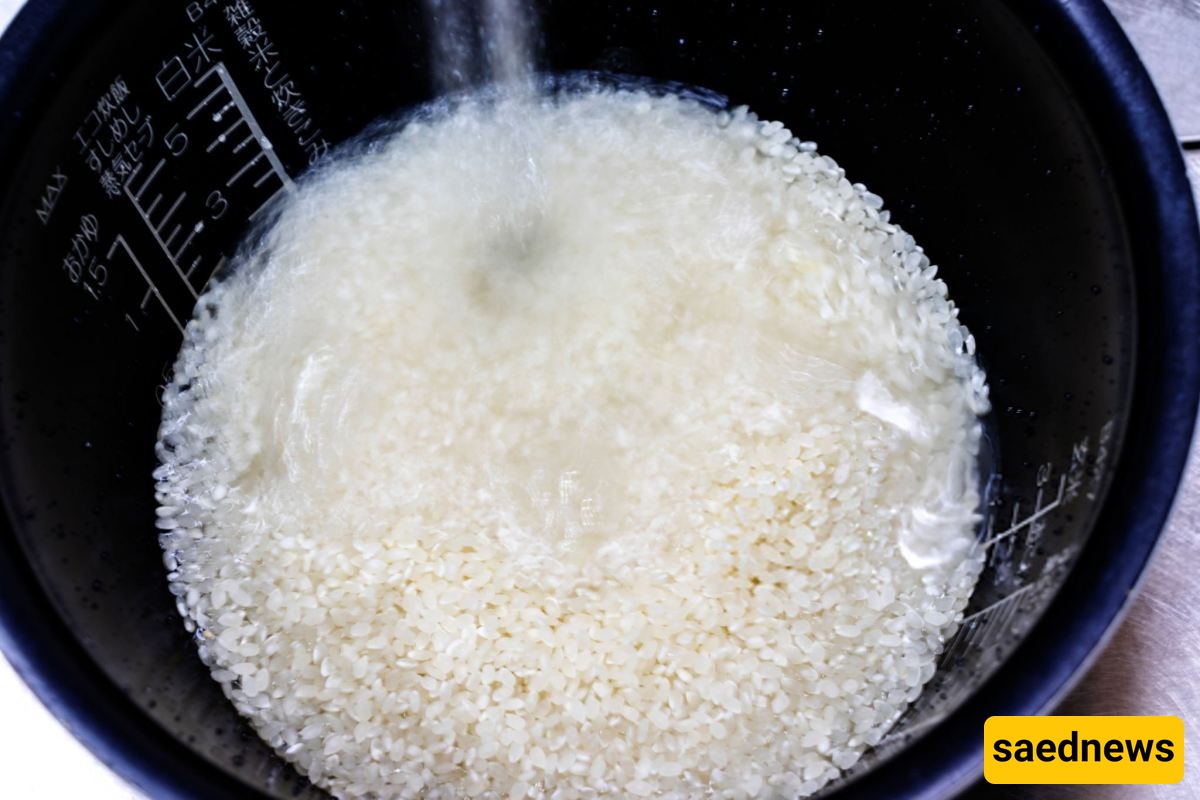
With these measurements, you can prepare the right amount of rice, serve everyone comfortably, and minimize food waste.