SAEDNEWS: Common Pasta Cooking Mistakes and How to Avoid Them for Restaurant-Quality Results
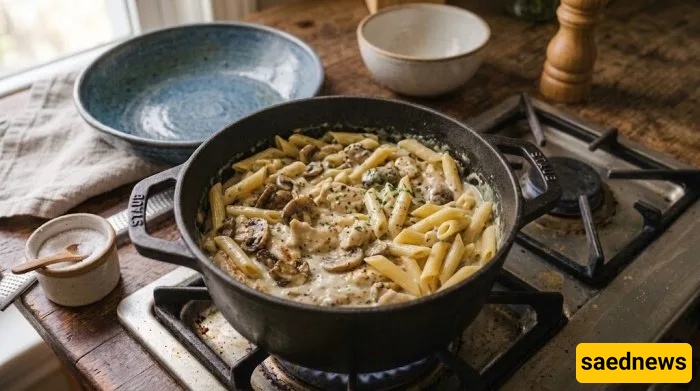
According to Saednews, Pasta does not always turn out as expected, even when you follow the recipe carefully. Sometimes it becomes hard and dry, other times it develops a mushy texture, or the sauce takes on a bitter taste. Milk may even curdle while preparing the sauce, ruining the appearance of the dish.
Most of these problems are related to cooking time, the amount of water, heat levels, or the way the sauce is prepared. Understanding why these issues occur can help you achieve better results and prepare perfectly cooked pasta every time.
One of the most common reasons pasta becomes hard is insufficient cooking time. If pasta is removed from boiling water before it has softened properly, its center may remain too firm.
However, al dente pasta should have a slight firmness when bitten. This is different from pasta that is raw or undercooked.
Other possible causes include:
Not using enough water in the pot.
Uneven boiling.
Pasta pieces sticking together.
Incorrect cooking times for different pasta varieties.
Fresh pasta generally cooks faster than dried pasta.
Solution: Cook pasta in plenty of boiling water, stir it during the first few minutes, and follow the cooking instructions on the package. Taste a piece one or two minutes before the recommended cooking time ends. If the center is still too hard, continue cooking.
If you plan to finish cooking the pasta in the sauce, remove it from the water slightly earlier so it can complete cooking in the pan.
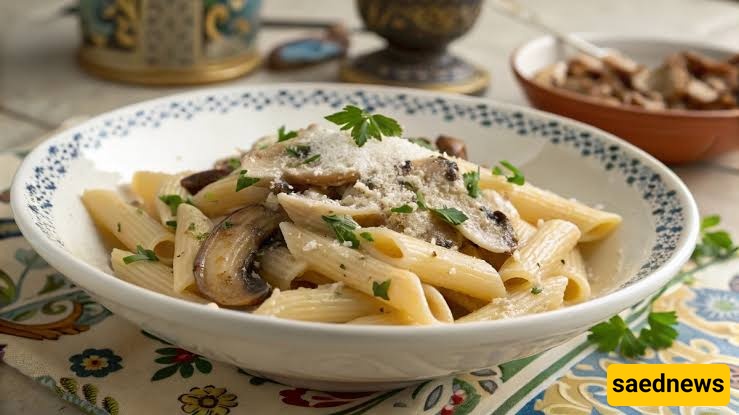
Pasta usually becomes dry when it is left without sauce for too long after draining or when the sauce is too thick.
Even after being mixed with sauce, pasta continues absorbing moisture. As a result, the sauce may become thicker and less noticeable after a few minutes.
High heat and leaving the pasta in the pan for too long can make the problem worse.
Another common reason is using too little sauce compared with the amount of pasta. For example, if you prepare pasta for two people but use too little cream or tomato sauce, the finished dish may feel dry.
Solution: Before draining the pasta, reserve some of its cooking water. Immediately combine the pasta with the sauce and gradually add the reserved water if needed.
This helps achieve the right consistency and allows the sauce to coat the pasta more evenly.
If refrigerated pasta has become dry, add a little water or another suitable liquid when reheating it. Warm it over low heat.
Pasta becomes mushy mainly because it is overcooked.
When pasta stays in boiling water longer than necessary, it absorbs too much water and develops a soft, sticky, and sometimes completely broken-down texture.
This can also happen when drained pasta is left in hot sauce for too long. If the sauce is watery, the pasta continues absorbing liquid and may lose its original shape.
Using a small pot or insufficient water can also increase the chances of pasta sticking together and cooking unevenly. However, overcooking is usually the main cause of mushy pasta.
How to prevent pasta from becoming mushy:
Check the cooking time on the package and taste a few pieces to monitor doneness.
Use a sufficiently large pot with plenty of water.
Stir the pasta during the first few minutes of cooking.
If you plan to finish cooking it in the sauce, drain it slightly earlier.
Avoid leaving cooked pasta over heat for too long.
If pasta has already become completely mushy, its original texture cannot be restored. However, you can still use it in dishes such as baked pasta.
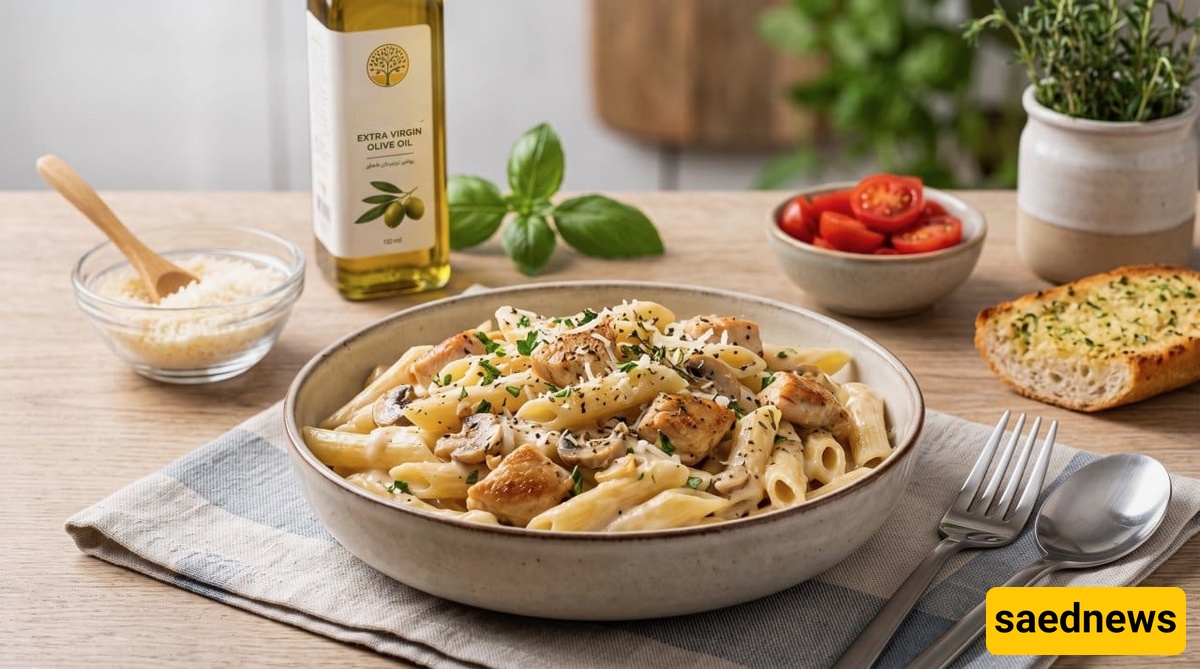
Pasta can develop a bitter taste because of the ingredients used in the sauce or the way they are cooked.
One of the most common causes is burnt garlic. Chopped garlic can turn dark brown very quickly when cooked over high heat, giving the oil and sauce an unpleasant bitter flavor.
Burnt tomato paste, spices, and butter can cause similar problems.
Olive oil can also naturally have a slightly bitter and peppery taste. This does not necessarily mean the oil has gone bad, but using too much of it may affect the overall flavor of the dish.
Solution: Cook garlic over low or medium heat, just until it becomes fragrant. Avoid burning tomato paste and spices as well.
If the sauce ingredients have burned and developed a strong bitter taste, it is usually better to prepare a fresh sauce. Adding sugar or cream generally cannot completely remove the burnt flavor.
Milk usually curdles in pasta sauce because of contact with acidic ingredients, unsuitable temperatures, or improper mixing.
Adding lemon juice or tomatoes to hot milk can cause its proteins to coagulate.
In creamy sauces, excessive heat or adding cheese while the sauce is boiling can also cause the fat and liquid to separate, creating a grainy texture.
How to prevent milk from curdling in pasta sauce:
Use fresh milk and heat it gently.
If you are using flour to thicken the sauce, add the milk gradually while stirring continuously.
Avoid adding acidic ingredients such as lemon juice directly to hot milk.
Reduce the heat or temporarily remove the pan from the stove before adding cheese.
Do not allow milk-based or cream-based sauces to boil vigorously for a long time.
Solution: If the sauce starts becoming grainy, remove the pan from the heat and add a small amount of warm pasta cooking water. Stir gently to help the ingredients combine again.
This may improve the texture, but if the milk has completely curdled, its original consistency may not be recoverable.
Also, never use milk that has an unpleasant smell or visible signs of spoilage.
Following a few basic cooking principles can help prevent most pasta problems.
1. Use the right amount of water and salt
For approximately 200 grams of dried pasta, using a pot containing around 2 liters of water is a reasonable starting point. However, the exact amount depends on the pot size and pasta variety.
Add salt after the water starts boiling. Adding oil to the cooking water is unnecessary. Stirring the pasta, especially during the first few minutes, is more effective at preventing it from sticking.
2. Drain the pasta at the right time
Cooking time depends on the pasta's shape, thickness, and type. If you plan to continue cooking it in a pan with sauce, drain it slightly earlier.
3. Combine pasta and sauce properly
After draining, transfer the pasta directly into the pan containing the sauce.
Adding a little reserved pasta water helps adjust the sauce's consistency and allows it to combine more evenly with the pasta.
Washing pasta after draining is generally unnecessary because the starch on its surface helps the sauce cling to it.
4. Choose the right cooking time for spaghetti
If you are making pasta using spaghetti, adjust the cooking time according to the thickness of the strands.
To prevent mushiness, avoid boiling spaghetti for too long and do not leave it sitting in hot sauce for extended periods after draining.
5. Use balanced ingredient proportions
For two servings, approximately 160–200 grams of dried pasta is usually sufficient.
Make sure the amount of sauce is appropriate for the quantity of pasta so that the finished dish does not become dry.

Whether your pasta becomes hard, dry, mushy, or bitter, the problem is usually related to cooking time, temperature, water quantity, or sauce preparation.
By paying attention to these details and making a few simple adjustments, you can improve the texture and flavor of your pasta and avoid common cooking mistakes.
Which pasta problem do you experience most often: hard pasta, a mushy texture, or dry sauce? Share your experience in the comments!