SAEDNEWS: Nearly 50 countries are reportedly preparing coordinated measures against Israel over its war on Gaza, with a joint statement expected this week calling for an end to restrictions on humanitarian aid deliveries to the territory.
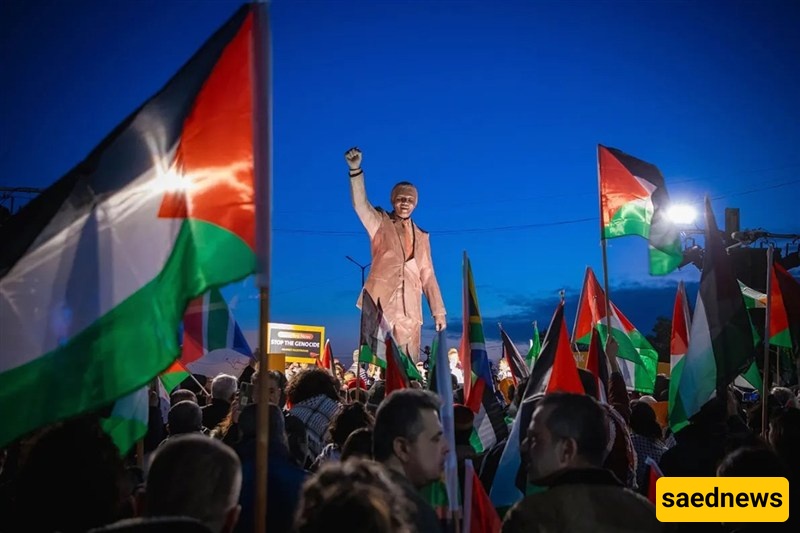
According to Saednews, Tel Aviv is facing increasing diplomatic pressure as international criticism of its military operations, blockade of Gaza and the worsening humanitarian crisis continues to intensify.
Led by the United Kingdom, a coordinated diplomatic initiative is emerging to challenge Israel’s ongoing restrictions on humanitarian assistance, border access and international operations in the besieged Palestinian territory.
According to Israel’s Channel 12, approximately 50 countries are preparing a joint political declaration outlining several demands directed at the Israeli government. These include facilitating the movement of humanitarian aid through border crossings, easing restrictions on essential supplies and equipment, and allowing international journalists and official delegations to enter Gaza.
Participating governments are also seeking assurances that humanitarian organizations will be able to operate independently and without Israeli obstruction. Their proposals further emphasize protecting the ceasefire and advancing the implementation of UN Security Council Resolution 2803 and the proposed 20-point plan.
The initiative also calls for an international presence in Gaza to strengthen transparency, monitor developments and provide independent assessments of conditions across the territory. Growing evidence of widespread destruction and the scale of civilian suffering have intensified calls for accountability and greater international oversight.
For Israel, the emerging coalition represents another significant diplomatic challenge as its policies and military conduct in Gaza face mounting international criticism. However, rather than addressing the concerns raised by participating governments, Israeli officials have responded by questioning the motives of countries supporting the initiative.
Israel’s ambassador to the United Nations, Danny Danon, criticized Britain and other participating states, accusing them of overlooking Hamas while focusing their criticism on Israel.
Nevertheless, these accusations leave several fundamental issues unresolved, including continued restrictions on humanitarian deliveries, barriers facing foreign journalists and international delegations, and the difficulties humanitarian organizations encounter in maintaining their operations in Gaza.
Israel’s rejection of international scrutiny also highlights the growing dispute over independent monitoring of its actions. Its insistence that international attention should focus primarily on Hamas has failed to dispel concerns about the consequences of its military operations, prolonged blockade and restrictions on humanitarian assistance.
Meanwhile, the United States is facing increasing diplomatic difficulties over its position. Washington continues to portray itself as a supporter of international stability and humanitarian principles while maintaining extensive political and military support for Israel despite growing international condemnation of its conduct in Gaza.
This contradiction between America’s stated commitment to peace and its continued backing of the Israeli government has further weakened its international standing. By protecting Israel from substantial diplomatic pressure while urging other countries to respect international law, the Trump administration has exposed the inconsistencies in its foreign policy and intensified criticism of Washington’s support for Israel.
The growing diplomatic initiative therefore reflects a broader international challenge to Israel’s policies in Gaza, while placing renewed pressure on Washington to reconcile its declared humanitarian commitments with its continued support for Tel Aviv.