SAEDNEWS: Discover the ingredients, traditional fermentation process, nutritional benefits, homemade preparation methods, and essential tips for buying and storing kimchi. This guide will help you understand its unique characteristics and choose the right option to suit your taste and preferences.

According to Saednews, Kimchi is a traditional Korean fermented condiment known for its tangy, salty, and often spicy flavor. Understanding its ingredients, how it differs from sauerkraut, the basics of homemade preparation, and the qualities of a reliable product can help you make an informed choice and enjoy this distinctive food at your table.
Kimchi refers to a family of Korean dishes made from salted and fermented vegetables. The most familiar version consists of Chinese cabbage leaves coated in a red seasoning mixture, but kimchi is not limited to one recipe. Radishes, green onions, and other vegetables are also used in different varieties. Garlic, ginger, and Korean chili pepper give this popular side dish its distinctive aroma and flavor.
Kimchi typically combines sourness, saltiness, and spiciness. However, not every variety is intensely hot. The type of vegetables, seasoning ingredients, and fermentation period all influence its taste and texture. If you are trying kimchi for the first time, start with a small portion alongside rice, eggs, or a sandwich.
For a simple meal, serve chopped kimchi with an omelet or add it to a chicken sandwich. Its tangy flavor and crunchy texture can bring variety to everyday dishes. If you are unsure whether you will enjoy its strong taste, serve it separately in a small bowl at first.
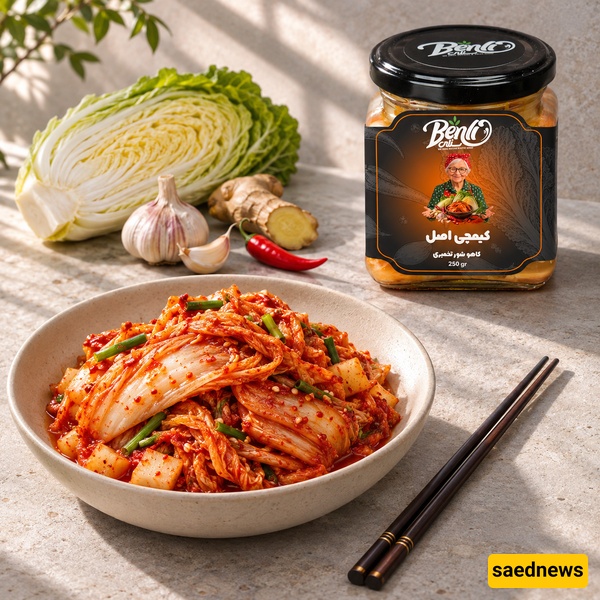
During fermentation, microorganisms transform the natural components of food. In kimchi, lactic acid bacteria consume sugars in the vegetables and produce acids. This process creates the characteristic sour taste and changes the food's aroma.
Fermented kimchi is therefore different from cabbage simply preserved in vinegar, even though both products can taste sour.
Yogurt and kefir are examples of fermented dairy products, while kimchi and sauerkraut are fermented vegetable foods. Sourdough bread, miso, and tempeh are other examples of fermented products. Kombucha is a fermented beverage.
These foods involve different fermentation processes and storage requirements. It is also important to understand that being fermented does not automatically mean a food is probiotic. Using the probiotic label requires identifying the microorganisms, establishing an appropriate quantity, and having scientific evidence of beneficial effects.
Traditional sauerkraut is generally made from shredded white cabbage and salt, with the natural sourness of fermented cabbage being its defining characteristic.
Kimchi typically contains a wider variety of vegetables and seasonings, including garlic, ginger, and chili pepper. This gives it a more complex aroma and flavor. Sauerkraut can also be prepared with spices or red cabbage.
One important difference between fermented vegetables and many vinegar-based pickles is how their sourness develops. In vegetable fermentation, acids are produced through microbial activity. In vinegar pickling, vinegar is added directly to the ingredients.
Understanding these differences can help you choose the condiment that best suits your taste.
Kimchi is a flavorful way to add variety to your vegetable intake. Depending on its ingredients, it can provide dietary fiber and certain micronutrients. However, the nutritional value varies between recipes, and sodium content and serving size should also be considered.
It is best to enjoy kimchi as a side dish alongside a balanced meal and other fresh vegetables.
In a ten-week study involving 36 healthy adults, a diet rich in fermented foods was associated with increased gut microbial diversity and reductions in certain inflammatory markers.
However, this finding relates to an overall dietary pattern. It does not prove that every jar of kimchi produces the same effects or that kimchi can treat diseases.
Claims that kimchi guarantees weight loss, treats digestive disorders, or strengthens immunity should be approached cautiously because sufficient scientific evidence is lacking.
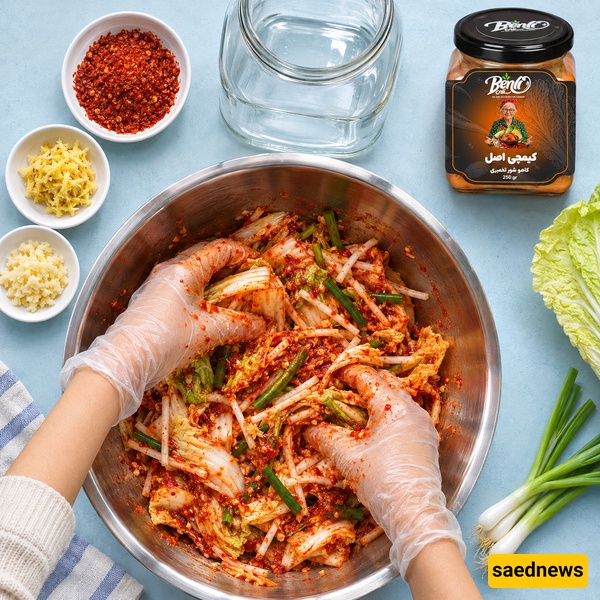
Making kimchi at home is possible when proper hygiene is followed and a reliable, tested recipe is used. The following steps provide a general overview. Exact salt quantities, fermentation times, and temperatures should come from a complete and tested recipe rather than personal guesswork.
First, clean your hands, utensils, and work surfaces.
Wash fresh Chinese cabbage, remove damaged sections, and cut the leaves into suitable pieces. Salt the cabbage according to your recipe, then rinse and drain it as instructed.
Prepare a seasoning mixture using garlic, ginger, Korean chili pepper, and sliced vegetables. Combine these ingredients with cooked and cooled rice paste, then spread the mixture evenly over the cabbage.
Pack the seasoned vegetables firmly into a food-safe container, leaving sufficient headspace for fermentation gases.
Manage gas release according to the recipe and the type of container being used.
Colorado State University Extension recommends ensuring that the acidity reaches a pH of 4.6 or below before consumption. Smell and bubbling alone are not reliable indicators of food safety.
Once fermentation is complete, refrigerate the kimchi. If you notice mold, discard the product.

When purchasing ready-made kimchi, check that the product label clearly identifies:
Ingredients and potential allergens
Manufacturer's name
Production and expiration dates
Storage instructions
Relevant food production and health permits
Check the applicable manufacturing license and health approval for the specific product. A picture of a certification symbol alone is not sufficient verification.
Benli Food provides information about its manufacturing license and health approval in its published certifications and permits section.
The condition of the packaging is equally important. Look for an intact glass jar, a suitable lid, and clear refrigeration instructions.
If you follow a plant-based diet or have food allergies, read the ingredient list carefully. Some kimchi products, including Benli's original kimchi, contain fish sauce and soy sauce.
After receiving the product, store it in the refrigerator according to the label and always use a clean spoon when serving.
Do not judge freshness solely by the red color or attractive product photographs. Consider the production date, expiration date, packaging condition, and delivery arrangements together.
Before ordering online, check whether refrigerated delivery is available to your location and how long the product may remain outside refrigeration during transportation.
If you do not have enough time to prepare fermented vegetables at home, choosing a ready-made product from an identifiable manufacturer can be a convenient alternative.
The Benli Food online store allows customers to explore available flavors and ingredients.
According to the company's published information, its products are supplied in glass jars and shipped using insulated foam packaging with ice packs to help maintain freshness and the cold chain.
These packaging and delivery features, together with the manufacturer's published permit information, make Benli Food an option worth considering when choosing ready-made kimchi.
For your first experience, choose a jar that matches your taste preferences and enjoy discovering the distinctive flavor of Korean fermented vegetables.