SAEDNEWS: Why Is Mirza Ghasemi Bitter? Causes and Easy Solutions
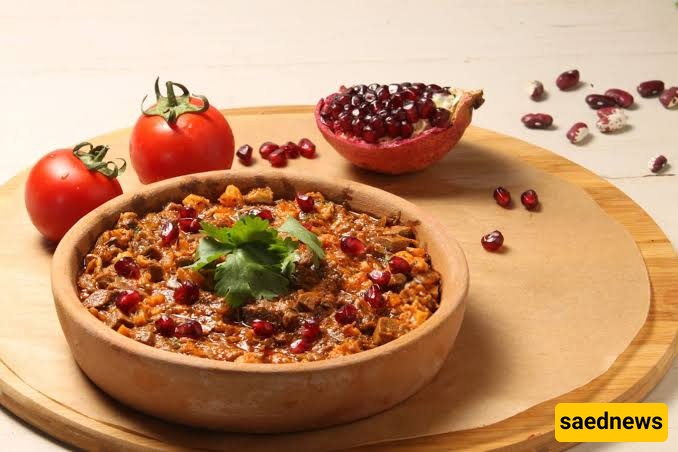
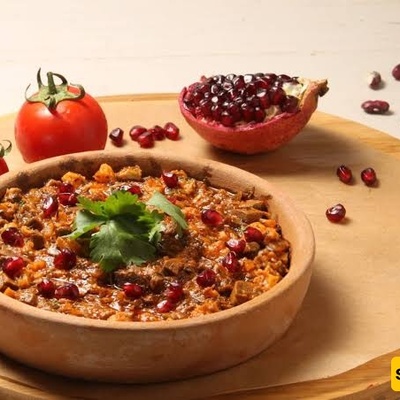
According to Saednews, Mirza Ghasemi is one of the most beloved and traditional dishes of Northern Iranian cuisine. This flavorful, smoky dish combines grilled eggplant, ripe tomatoes, fresh garlic, eggs, and olive oil. It is traditionally served with fresh bread, herbs, and thick yogurt.
However, one of the most common complaints among home cooks is that Mirza Ghasemi sometimes turns bitter. This bitterness usually comes from the eggplant, burnt garlic, overly charred eggplant skin, or an imbalance of flavors.
The good news is that most of these problems can be prevented. Even if your dish has already turned bitter, there are several ways to improve its flavor and, in many cases, save it.
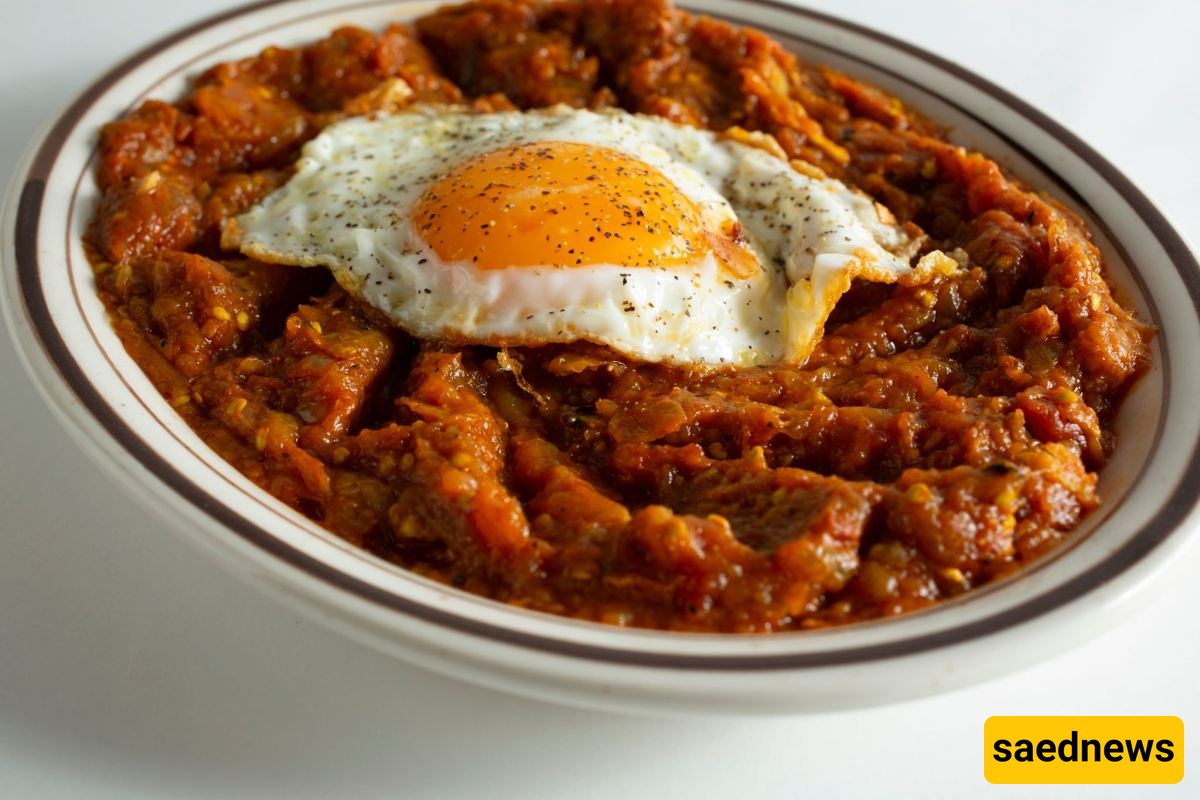
Before trying to fix the problem, it is important to understand where the bitterness comes from. In most cases, one of the following factors is responsible:
1. Naturally Bitter Eggplant: Unripe, oversized, overripe, or improperly stored eggplants may contain more bitter compounds.
2. Burnt Garlic: Garlic is highly sensitive to heat. If you fry it over high heat or cook it for too long before adding the eggplant, it can burn and make the entire dish bitter.
3. Overly Burnt Eggplant Skin: Grilling eggplant over an open flame is essential for achieving its signature smoky flavor. However, if the skin becomes excessively charred, the burnt flavor can penetrate the flesh and create bitterness.
4. Undercooked Eggplant: Undercooked eggplant can have a raw, unpleasant, and slightly bitter taste. It should be completely soft and tender before being added to the dish.
5. Unbalanced Flavors: Insufficient natural sweetness from tomatoes, too little salt, or an imbalance of acidity can make bitterness more noticeable.
6. Burnt or Reused Oil: Using oil that has been overheated, burnt, or reused several times can introduce an unpleasant bitter taste.
If you want to prevent bitterness in Mirza Ghasemi from the beginning, start by choosing good-quality eggplants.
Choose small or medium-sized eggplants. Very large eggplants often contain more seeds and may have a stronger bitter taste.
Look for smooth, shiny, and evenly colored skin. Wrinkled or soft eggplants are generally less fresh and may taste more bitter.
Choose male eggplants, if possible. According to traditional cooking advice, eggplants with a small indentation or protrusion at the bottom are often considered to have fewer seeds and a sweeter flavor.
Avoid unusually heavy eggplants. Lighter eggplants are sometimes preferred because they may contain fewer seeds and more tender flesh.
Avoid overripe eggplants with dull, bruised, or discolored skin.
Important tip: Thin, long Iranian eggplants, particularly local Northern varieties, are ideal for Mirza Ghasemi because they cook quickly and generally have a mild flavor.
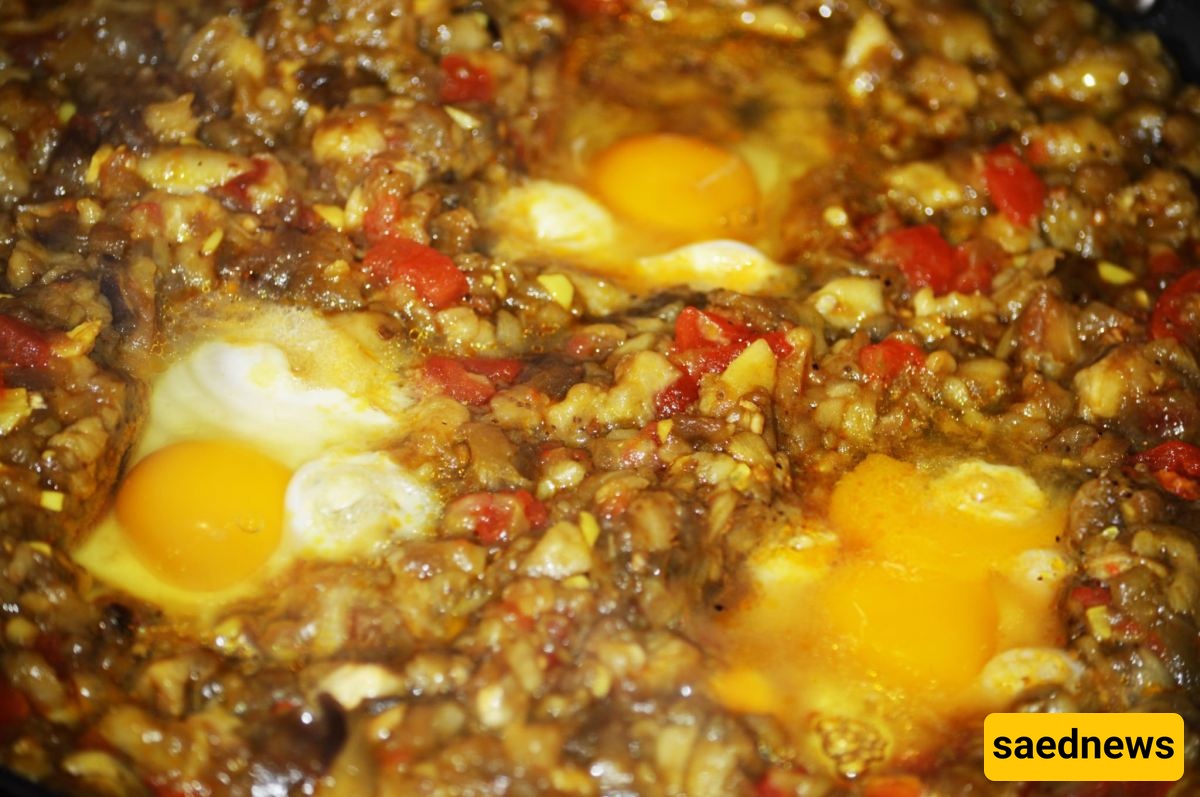
Salting is one of the traditional methods used to reduce eggplant bitterness. However, it needs to be done correctly.
Peel the eggplants or leave the skin on. For Mirza Ghasemi, eggplants are usually grilled with their skin intact.
Cut the eggplants lengthwise in half or make thick slices.
Sprinkle coarse salt over the exposed surfaces and let them rest for approximately 20–30 minutes.
Use a paper towel to remove the moisture that appears on the surface. This liquid may contain some bitter compounds.
Rinse the eggplants with cold water and dry them thoroughly.
Important warning: Do not leave eggplants salted for too long. More than an hour can cause excessive moisture loss and change their texture, potentially making them dry during grilling. Excess salt may also make the final dish too salty.
If your eggplants are fresh and have very few seeds, extended salting may not be necessary. However, this step can be helpful when using larger or seasonal eggplants.
The way you grill eggplant plays a major role in the final flavor of Mirza Ghasemi.
The correct method:
Place the eggplants directly over a gas flame, charcoal grill, or barbecue.
Turn them regularly so that all sides cook evenly.
Once the skin is blackened and the flesh becomes completely soft, remove them from the heat.
Place the grilled eggplants in a covered container or plastic bag for a few minutes. The trapped steam will make peeling easier.
Remove the skin carefully using your hands or a knife. Do not wash the eggplants after peeling, as rinsing can remove some of their smoky flavor.
If any heavily charred or blackened pieces remain on the flesh, scrape them away with a knife because they can contribute a burnt, bitter taste.
A common mistake: Some people leave eggplants over the flame for too long to make peeling easier. This can cause excessive smoke and burnt flavors to penetrate the flesh.
The key is balance: the skin should become charred, but the flesh should remain tender rather than burnt.
If you do not have access to an open flame, you can roast the eggplants in an oven at 200°C (400°F) for 30–40 minutes, until the skin becomes wrinkled and dark and the flesh is completely soft.
Garlic is one of the essential ingredients in Mirza Ghasemi, but it is also one of the most common causes of bitterness.
Follow these tips:
Prepare the garlic by chopping or grating it, but avoid making it excessively fine.
Keep the heat at low to medium.
Sauté the garlic only until fragrant and lightly golden. Do not allow it to turn dark brown.
If the garlic starts to darken, immediately reduce the heat or remove it from the oil.
Consider adding the garlic after the tomatoes or toward the later stages of cooking to reduce the risk of burning.
Professional tip: Reserve some of the garlic and add it raw toward the end of cooking to preserve its fresh aroma, while gently sautéing the rest.
Sometimes the bitterness is not caused by an actual bitter ingredient. Instead, an imbalance of flavors makes it more noticeable.
Mirza Ghasemi relies on three important flavor elements:
Natural sweetness: This comes from ripe tomatoes that have been properly sautéed. Unripe tomatoes can produce an overly acidic and slightly bitter flavor.
Enough salt: Insufficient salt can make bitterness more noticeable.
Mild acidity: A small amount of fresh lemon juice or lime juice added toward the end of cooking can help balance the flavors. However, too much acidity can intensify the perception of bitterness.
Cook the tomatoes thoroughly until their excess moisture evaporates and their natural sweetness becomes concentrated.
Unripe tomatoes or tomatoes that have only been lightly cooked can leave the dish with a raw, unpleasant, and slightly bitter taste.
If you have already prepared the dish and noticed that it tastes bitter, do not worry. Try the following methods in order:
1. Remove Burnt Ingredients
If you notice blackened pieces of garlic or burnt eggplant skin in the dish, remove them with a spoon. This simple step can significantly reduce bitterness.
2. Add a Little Fat
Add a small amount of fresh olive oil, butter, or cream. Fat can soften the overall flavor and help mask mild bitterness.
For Mirza Ghasemi, adding a tablespoon of cream or thick yogurt toward the end of cooking can be particularly effective.
3. Introduce Natural Sweetness
Add a small amount of sugar, approximately half a teaspoon, or some sautéed tomato paste.
Sugar helps balance bitterness, but be careful not to make the dish taste sweet.
4. Add More Ripe Tomatoes
If the dish can accommodate more ingredients, grate one or two ripe tomatoes and add them. Cook for a few more minutes to incorporate their natural sweetness.
5. Add a Small Amount of Acid
A few drops of fresh lemon juice may help balance the flavor.
Be careful not to add too much, as excessive acidity can make bitterness more noticeable. Add gradually and taste as you go.
6. Serve with Yogurt or Cream
Serving Mirza Ghasemi with thick yogurt, sour cream, or shallot yogurt is an excellent way to balance mild bitterness.
This combination is also common in Northern Iranian food culture.
7. Dilute the Bitterness with Fresh Eggplant
If the bitterness is strong, prepare some additional grilled eggplant that has a mild flavor and mix it into the dish.
This reduces the concentration of the bitter ingredients.
8. Add Another Egg
Eggs help soften and balance the overall flavor. Adding one extra egg may help mask mild bitterness.
Important note: If the bitterness is caused by severe burning or spoiled eggplant, these methods may not fully restore the flavor. In such cases, it is better to discard the dish.
To prepare perfectly balanced Mirza Ghasemi next time, keep these essential tips in mind:
Choose fresh, small, and shiny eggplants.
Salt the eggplants for 20–30 minutes when necessary and remove excess moisture.
Grill the eggplants evenly over an open flame and remove heavily charred pieces.
Do not wash the eggplants after peeling.
Sauté garlic over low to medium heat until lightly golden.
Use ripe tomatoes and cook them thoroughly.
Maintain a proper balance of salt, acidity, and natural sweetness.
Always use fresh oil and discard burnt or heavily reused oil.
The secret to delicious Mirza Ghasemi lies in choosing fresh eggplants, grilling them properly, controlling the heat when cooking garlic, and maintaining a balance between sweetness, saltiness, and acidity.
By following these simple techniques, you can enjoy the authentic smoky flavor of this traditional Northern Iranian dish without unwanted bitterness.