SAEDNEWS: Discover how smoke, pine, and fennel essences enhance culinary flavors and create a distinctive sensory atmosphere in restaurant spaces.
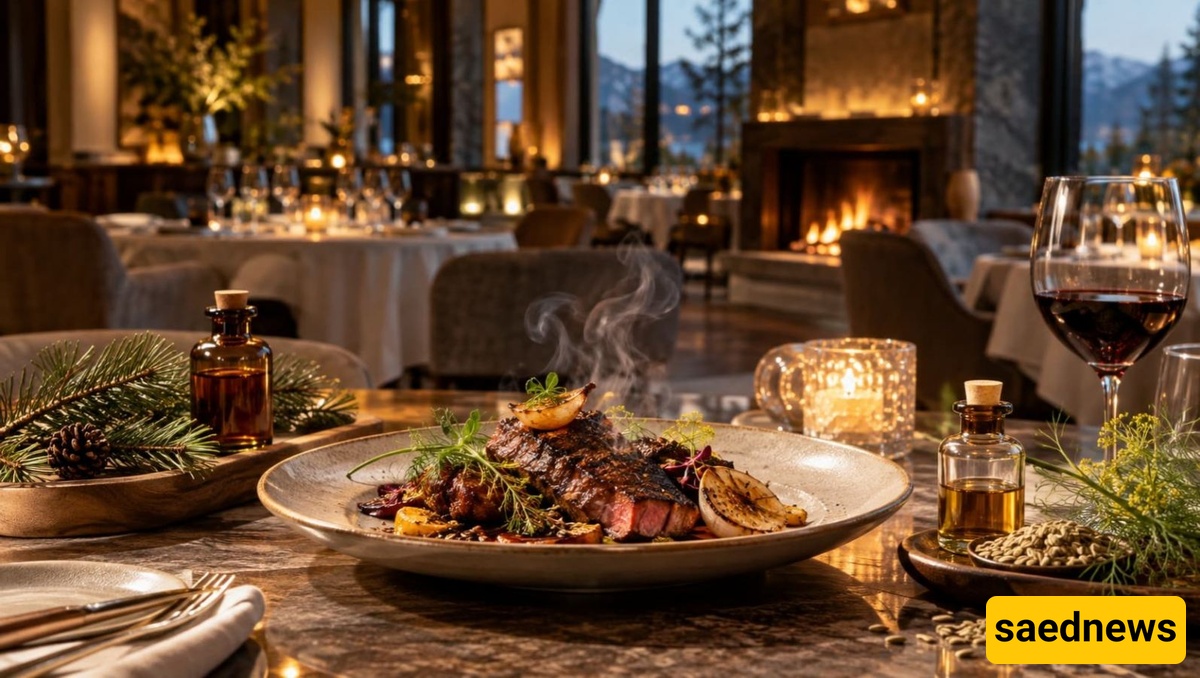
According to Saednews, Imagine walking into a luxury restaurant. Before you even open the menu, the aroma of grilled meat stimulates your appetite. The dining area is clean and fragrant, the lighting is appealing, and a subtle scent fills the air. Before taking your first bite, your mind has already formed a positive impression of the restaurant.
Now imagine the opposite scenario: you have ordered a delicious meal, but an unpleasant odor in the dining area or the sharp smell of cleaning products ruins your dining experience. Would you return to such a restaurant?
Restaurant success no longer depends solely on the chef’s skills. Customers pay for an experience that combines flavor, aroma, cleanliness, service, and a pleasant atmosphere. This is where the strategic use of flavorings and fragrances becomes important, from smoke flavoring in food preparation to pine and fennel fragrances in scented products.
According to a 2025 report by the National Restaurant Association, approximately 64% of full-service restaurant customers and 47% of limited-service restaurant customers consider the dining experience more important than food prices.
These figures indicate that competitive pricing alone is not enough to build customer loyalty. What makes a restaurant memorable is the experience customers have from the moment they enter until they leave.
A study published in the International Journal of Hospitality Management in 2025 also found that pleasant ambient fragrances in upscale restaurants can positively influence customers’ emotions and their willingness to return.
For example, the aroma of grilled food is part of a steakhouse’s identity. In contrast, herbal and woody fragrances may blend more naturally with the surroundings of a café-restaurant featuring nature-inspired design.
Smoke Flavoring: The Secret Behind the Barbecue Taste of Popular Foods | Available at Niko Shimi
One of the most appealing characteristics of grilled foods is their distinctive smoky aroma—a scent that comes to mind when we think of steak, charcoal-grilled burgers, smoked chicken, or barbecue sauce.
However, creating a smoky flavor using traditional methods is not always straightforward. Specialized equipment, temperature control, preparation time, and consistent flavor are among the challenges faced by commercial kitchens.
In such situations, using properly formulated food-grade smoke flavoring can be an effective way to introduce a smoky aroma and taste into certain food products.

Imagine a specialty burger restaurant that wants to develop its own signature sauce. The chef is looking for a distinctive flavor that customers can recognize and distinguish from the sauces served at other restaurants.
Carefully incorporating a food-grade smoky flavoring into a barbecue sauce formulation is one way to achieve this distinction.
Some of the main applications of smoke flavoring include:
Producing barbecue sauce and specialty burger sauces
Flavoring certain processed meat products
Manufacturing snacks with a smoky taste
Creating a barbecue flavor profile in suitable food products
Choosing smoke flavoring with the appropriate concentration helps manufacturers achieve a distinctive and reproducible flavor. However, only approved food-grade products should be used, in accordance with their instructions for use and applicable food safety requirements.
Customers begin forming their impressions of a restaurant’s cleanliness before they even sit down. Clean floors, tables, restrooms, and even the smell of the entrance all contribute to the overall image of the establishment.
Pine is a fragrance that many people associate with freshness, forests, and cleaning products. For this reason, it is used in the formulations of certain cleaning agents and air fresheners.
Imagine running a restaurant with wooden furnishings, natural plants, and warm lighting. Using a suitable air freshener with a subtle pine fragrance near the entrance or in designated service areas may complement the restaurant’s visual identity.
Pine fragrance is also used in scented detergents, floor cleaners, and other cleaning products.
The main advantage of incorporating pine fragrance into these products is the creation of a distinctive, pleasant scent that conveys a sense of freshness.
However, a pleasant fragrance does not mean that an area has been disinfected. Pine fragrance alone cannot replace approved cleaning and disinfecting products. Restaurants should also choose products suitable for their intended applications to prevent cleaning-product odors from interfering with the aroma of food.
Using Fennel Fragrance in Restaurants
Not every restaurant needs to be busy and energetic. Some establishments are designed to provide a peaceful atmosphere—a place for conversations, casual meetings with friends, or enjoying a meal without rushing.
In such settings, fragrance selection can become part of the overall environmental design.
Fennel is known for its sweet, herbal aroma, which resembles anise. Its fragrance has a different character from woody scents, making it an option for scented products with a botanical identity.
Studies in aromatherapy have suggested that certain pleasant fragrances may influence people’s emotions and anxiety levels under specific conditions. However, these findings do not establish that fennel fragrance has a definitive therapeutic or calming effect.
For example, a café-restaurant with traditional décor and natural plants could consider a very subtle fennel fragrance as one option for scenting its waiting area.
Because of its distinctive herbal aroma, fennel fragrance may be worth considering for manufacturers of scented products and businesses looking for distinctive fragrance profiles.
In sensory marketing, the goal is not simply to create a pleasant smell. Instead, it is to establish harmony between taste, aroma, visual elements, and the surrounding environment.
A 2024 meta-analysis examining 55 scientific papers and 102 effect sizes found that pleasant ambient fragrances positively influence consumers’ emotional, cognitive, and behavioral responses. The study also reported that some fragrance effects were stronger in the hospitality industry than in retail.

One common mistake when purchasing fragrance ingredients is focusing exclusively on the fragrance name. In reality, two products with the same name do not necessarily have identical compositions or applications.
For example, food-grade smoke flavoring differs from smoky fragrances intended for non-food applications. Similarly, pine fragrance suitable for manufacturing cleaning products is not necessarily appropriate for direct diffusion into a restaurant’s air.
When selecting a product, it is important to evaluate its approved applications, concentration, quality, fragrance stability, and technical specifications.
Niko Shimi, a supplier of various food-grade flavorings and fragrances, provides manufacturers and businesses with access to a range of options. Choosing a fragrance that matches specific requirements can help businesses develop products that better align with their brand identity.
Niko Shimi began operating in 2015, focusing on the sale of industrial and laboratory chemicals. In response to the growing needs of various industries, the company has expanded its services and now supplies food-grade and industrial flavorings and fragrances to support businesses across the country.
What makes customers continue talking about a restaurant several days after their visit? It might be the distinctive taste of its barbecue sauce, the inviting atmosphere of the dining area, or the pleasant impression they experienced upon entering.
Successful restaurants pay attention to all these details. Smoke flavoring, pine fragrance, and fennel fragrance are examples of flavoring and fragrance ingredients used in different applications, ranging from food manufacturing to scented products and cleaning solutions.
Ultimately, what makes a restaurant memorable is not simply good food. It is the harmony of all the details that give customers a reason to return.