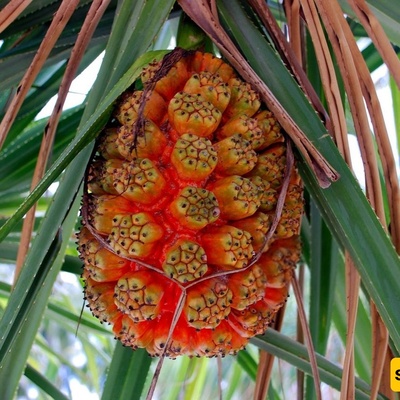
SAEDNEWS: Hala fruit is a lesser-known tropical fruit native to the Pacific Islands. With its distinctive sweet flavor and antioxidant properties, it may support immune function, heart health, and digestive wellness, making it an interesting addition to a balanced diet.
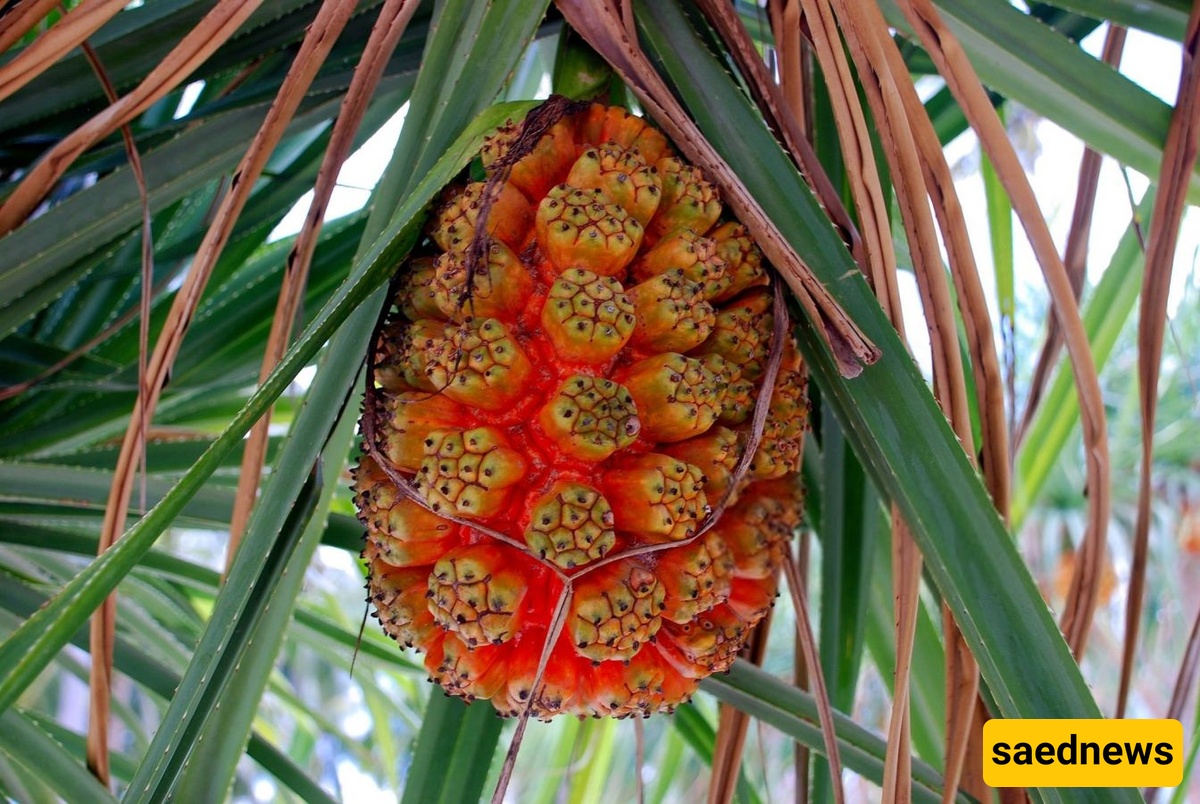
According to Saednews, Among tropical fruits, some remain relatively unknown despite their distinctive flavors and impressive nutritional properties. One such fruit is the Hala fruit (Pandanus tectorius), a remarkable tropical fruit native to the Pacific Islands, Southeast Asia, Hawaii, and parts of Australia. Also known as the hala or screwpine fruit, it stands out for its unusual appearance, nutritional value, and traditional uses. This article explores its botanical characteristics, potential health benefits, nutritional composition, and different ways to enjoy it.
Hala fruit is known by different names around the world. In Hawaii, it is called “hala,” while in Polynesia it is known as “fara.” In the Philippines, the term “pandan” is commonly associated with related plants, and the name “pandanus” is used in parts of Indonesia and Malaysia.
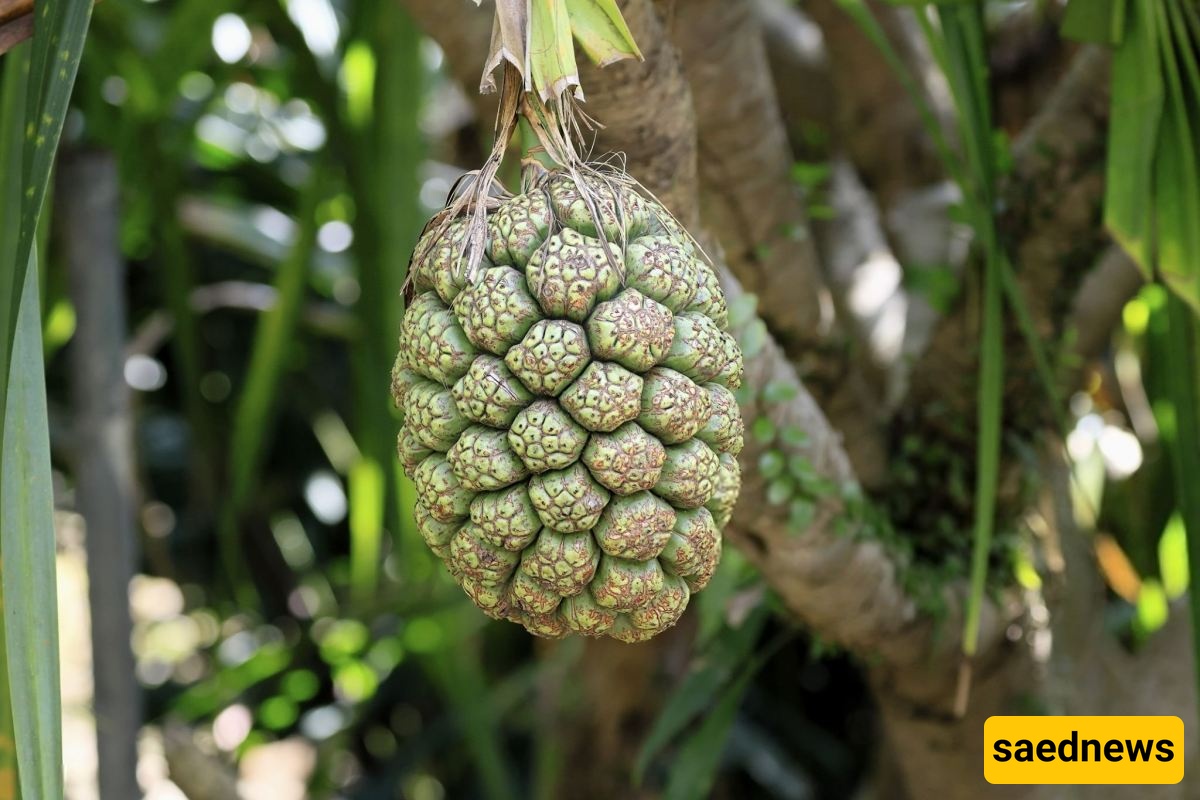
The fruit grows on a tree belonging to the Pandanaceae family. The Hala tree typically thrives in coastal areas, where it can tolerate salty conditions and strong ocean winds. In addition to its fruit, the tree is valued in local cultures for its fragrant, fan-shaped leaves, which are widely used in traditional crafts, cooking, and other everyday applications.
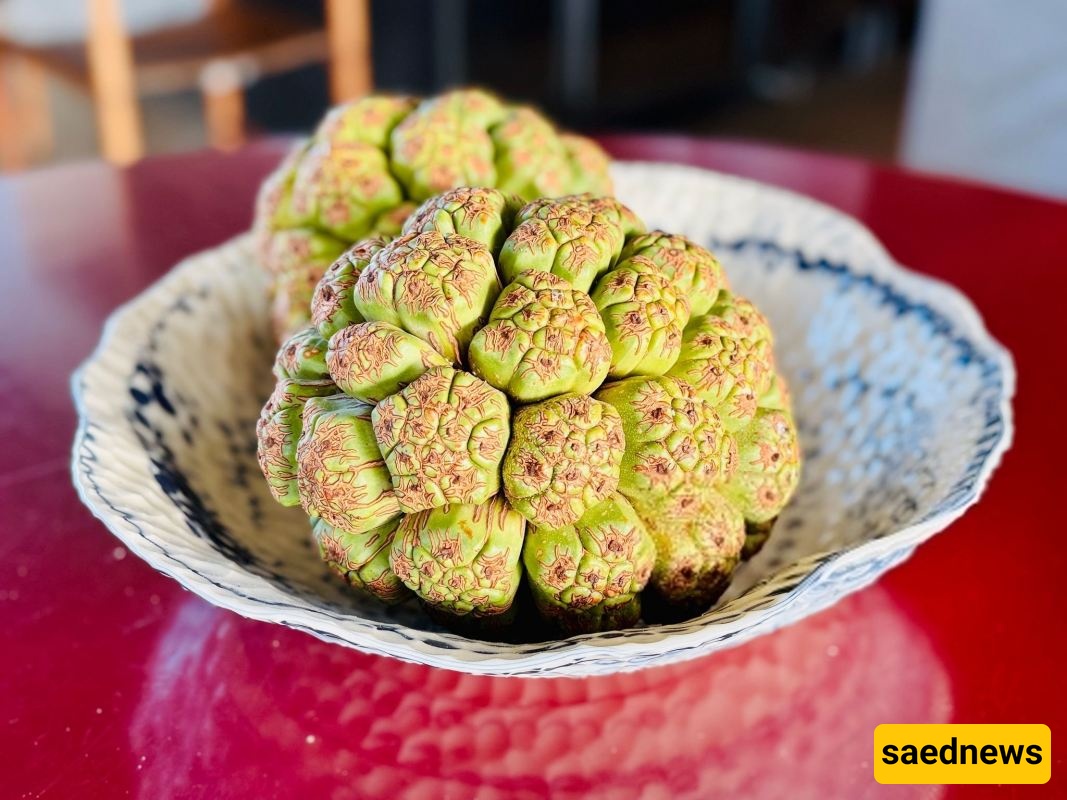
One of the most fascinating features of Hala fruit is its unusual structure. The fruit consists of numerous large, wedge-shaped sections arranged in a spherical or oval cluster, typically measuring around 15–20 centimeters in diameter.
Each section, known botanically as a phalange, resembles a small cap or wedge. The sections are initially green and gradually turn yellow, orange, or red as the fruit ripens.
When fully mature, the individual sections can be separated from the main fruit. Each contains fibrous, fleshy material surrounding a hard central core.
Hala fruit has a sweet taste with a pleasant aroma, sometimes compared to tropical fruits such as mango or pineapple.
Hala fruit comes in different forms, with variations in color and flavor. Commonly described types include:
Orange Hala: Characterized by orange-colored sections and a distinctly sweet flavor.
Yellow Hala: Often described as having a slightly more acidic taste, making it suitable for drinks and desserts.
Red Hala: A less commonly encountered form found on some Pacific islands, known for its distinctive appearance and flavor.
Hala fruit is described as a tropical fruit containing dietary fiber, vitamins, minerals, and antioxidant compounds. Its nutritional composition can vary depending on the variety, growing conditions, and the part of the fruit consumed.
According to the nutritional estimates presented in the source, 100 grams of Hala fruit flesh may contain:
Carbohydrates: Approximately 15 grams
Dietary fiber: 3–4 grams
Vitamin C: Approximately 30 milligrams
Vitamin A precursors: Including beta-carotene
Potassium: Approximately 250 milligrams
Calcium and magnesium: In varying amounts
Antioxidants: Including flavonoids and carotenoids
These figures should be treated as estimates rather than standardized nutritional values, as reliable composition data may vary by species, variety, and preparation method.
Hala fruit contains plant compounds, including phenolic substances and carotenoids, that may contribute to its antioxidant activity. Antioxidants help protect cells from oxidative stress caused by free radicals.
Antioxidant-rich foods are associated with overall health and may contribute to reducing the risk factors linked to certain chronic diseases. However, more research is needed to establish the specific health effects of eating Hala fruit.
Some plant compounds may also have anti-inflammatory properties, although claims that Hala fruit can treat chronic inflammatory conditions, such as arthritis, require further scientific investigation.
Vitamin C plays an important role in maintaining a healthy immune system. It supports the normal functioning of immune cells and helps the body maintain its defenses against infections.
Beta-carotene, another compound found in some varieties of Hala fruit, can be converted into vitamin A in the body. Vitamin A is essential for maintaining healthy skin and mucous membranes, which help protect the body against harmful microorganisms.
Dietary fiber can support regular bowel movements and help prevent constipation. Including fiber-rich fruits in a balanced diet may also contribute to maintaining a healthy gut microbiome.
Although some plant foods contain compounds that support beneficial gut bacteria, the specific prebiotic effects of Hala fruit have not been sufficiently established.
Potassium contributes to normal blood pressure regulation by helping balance the effects of sodium in the body.
Dietary fiber can also help support healthy cholesterol levels, while antioxidant compounds contribute to overall cellular health. These nutrients may form part of a heart-healthy diet, although the direct effects of Hala fruit on cholesterol levels and cardiovascular disease risk have not been conclusively demonstrated.
Skin health: Vitamin C supports collagen production, which helps maintain skin structure and elasticity.
Bone health: Calcium and magnesium contribute to maintaining normal bones and supporting essential bodily functions.
Weight management: The combination of dietary fiber and the fruit's natural sweetness may make it a satisfying addition to a balanced eating plan.
These benefits depend on the fruit's actual nutritional composition and the overall quality of the diet. Hala fruit should not be considered a substitute for medical treatment or a balanced nutritional plan.
A ripe Hala fruit generally develops yellow, orange, or reddish-orange coloring, depending on the variety. Its individual sections become easier to separate as the fruit matures.
If the sections remain very firm and tightly attached, the fruit may not yet be fully ripe.
Eating Hala fruit involves a few simple steps:
Separate the mature sections from the main fruit.
Eat or chew the fleshy material surrounding the hard central core.
Discard the hard core.
If desired, chew the sections to extract their sweet juices, then discard the remaining fibrous material.
In some Pacific communities, the sections are boiled and their extracted liquid is used to prepare sweet drinks or syrups.
Because varieties and preparation methods differ, it is important to identify the fruit correctly and follow established local food-preparation practices before consuming it.
Hala fruit can be incorporated into various recipes, particularly in tropical cuisines.
Smoothies and juices: Blend the fruit's edible sections with water, coconut milk, and a little sugar to create a tropical drink.
Desserts: The extracted flesh may be used in puddings, ice cream, and jams, depending on the variety and preparation method.
Fruit salads: Combine prepared Hala fruit with other tropical fruits, such as mango, papaya, and pineapple.
Traditional sauces and seasonings: In some Pacific Island cuisines, prepared Hala fruit is used as a flavoring ingredient alongside fish and seafood.
Fresh Hala fruit may be kept at room temperature for a short period, depending on its ripeness and the surrounding conditions.
For longer storage, separate the individual sections and refrigerate them in a suitable container. Freezing may extend their storage life further. The precise storage duration depends on the fruit's condition, preparation, and storage temperature, so inspect it for signs of spoilage before consumption.
Hala fruit is an unusual tropical fruit distinguished by its striking appearance, fibrous texture, sweet flavor, and cultural significance across the Pacific and parts of Southeast Asia. It may provide dietary fiber, vitamins, minerals, and beneficial plant compounds, making it an interesting addition to a varied diet.
Although its traditional uses and nutritional potential are noteworthy, further scientific research is needed to confirm many of the specific medicinal claims associated with it. Learning how to identify, prepare, and enjoy Hala fruit offers a fascinating introduction to one of the tropical world's lesser-known botanical treasures.