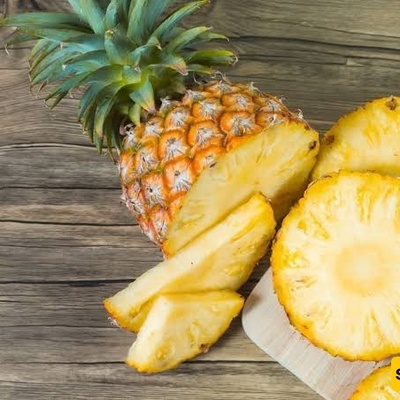
SAEDNEWS: Pineapple is a highly nutritious fruit packed with essential nutrients and health benefits. In this article, we explore its calorie content, nutritional value, and potential health benefits.
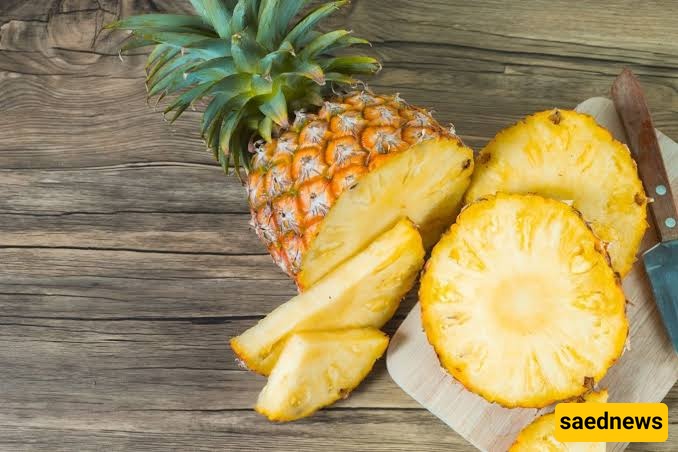
According to Saednews, Pineapple is a tropical fruit with a flavor that combines sweetness and tartness. It has an oval shape and belongs to the Bromeliaceae family, a group of plants that are mostly herbaceous and sometimes shrub-like.
Pineapple contains bromelain, an enzyme that has attracted attention for its potential health benefits.
Every 100 grams of raw pineapple contains approximately 50 calories.
Nutrient | Amount per 100 g |
|---|---|
Calories | 50 kcal |
Carbohydrates | 13.12 g |
Protein | 0.54 g |
Fat | 0.12 g |
Water | 86.00 g |
Fiber | 1.40 g |
Sugar | 9.85 g |
Cholesterol | 0 mg |

Every 100 grams of sweetened frozen pineapple contains approximately 86 calories.
Nutrient | Amount per 100 g |
|---|---|
Calories | 86 kcal |
Carbohydrates | 22.20 g |
Protein | 0.40 g |
Fat | 0.10 g |
Water | 77.10 g |
Fiber | 1.10 g |
Sugar | 21.10 g |
Cholesterol | 0 mg |
Bromelain is a mixture of enzymes and other compounds extracted from pineapple stems and fruit. It includes protein-digesting enzymes that may help break down proteins and support digestion.
Bromelain has also been studied for its potential to reduce inflammation, influence blood clotting, and affect the growth of certain tumors. However, further research is needed to establish the effectiveness of these effects in humans.
Vitamin C, found in pineapple, is a water-soluble antioxidant that helps protect the body's cells from damage caused by free radicals.
Free radicals can contribute to oxidative stress, which is associated with various health problems, including cardiovascular disease and certain inflammatory conditions.
Vitamin C is also essential for normal immune system function. Adequate intake helps the body defend itself against infections and supports overall health.
One potential benefit of pineapple is its bromelain content. Researchers have investigated whether this compound may help the body recognize and respond to cancer cells.
Laboratory studies suggest that bromelain may influence immune responses and certain processes involved in cancer development. However, there is not enough clinical evidence to conclude that eating pineapple prevents or treats cancer.
Pineapple contains potassium, a mineral that plays an important role in regulating blood pressure and maintaining fluid balance.
Adequate potassium intake helps the body balance sodium levels and supports normal cardiovascular function. Including pineapple as part of a balanced diet may contribute to healthy blood pressure, although it is not a substitute for prescribed treatment.
Pineapple contains dietary fiber and water, which can contribute to fullness and help support healthy digestion.
It is also relatively low in calories when eaten fresh. Replacing higher-calorie snacks with fresh pineapple may help support weight management as part of a balanced diet.
However, pineapple does contain natural sugars, so portion sizes can still matter, particularly for people monitoring their blood glucose levels.

Pineapple contains vitamin C and other antioxidant compounds that help protect cells from oxidative damage. Its potassium content also supports normal cardiovascular function.
Bromelain has been studied for its potential effects on blood clotting and certain proteins involved in the clotting process. However, the claim that eating pineapple prevents blood clots or provides effects equivalent to aspirin is not established by sufficient clinical evidence.
Pineapple can be part of a heart-healthy diet, but it should not replace prescribed cardiovascular medications.
Bromelain has been investigated for its potential to reduce inflammation and help relieve symptoms associated with certain respiratory conditions.
Some studies have explored its use for sinusitis and other respiratory complaints, but the evidence remains limited. Pineapple consumption alone has not been shown to cure sinusitis or bronchitis.
Anyone experiencing persistent respiratory symptoms should seek appropriate medical advice.
Pineapple provides carbohydrates, which the body uses as a source of energy. It also supplies vitamin C, manganese, and other nutrients that support normal bodily functions.
Eating fresh pineapple or drinking pineapple juice can be a refreshing way to include fruit in your daily diet. However, whole pineapple generally provides more fiber than juice and may help you feel fuller for longer.

Pineapple contains vitamin C, an antioxidant that helps protect cells from oxidative damage. Vitamin C is also essential for collagen production and helps the body absorb iron from plant-based foods.
Adequate vitamin C intake supports overall health, including the normal growth and maintenance of tissues. However, there is insufficient evidence that eating pineapple directly prevents hair loss or reverses hereditary hair thinning.
Pineapple is a nutritious tropical fruit that provides vitamin C, potassium, manganese, water, and natural carbohydrates. With approximately 50 calories per 100 grams of fresh pineapple, it can be a useful addition to a balanced diet.
Its potential benefits include supporting digestion, immune function, heart health, and weight management. Although bromelain has been studied for its anti-inflammatory and other biological effects, many medicinal claims about pineapple require further scientific research.