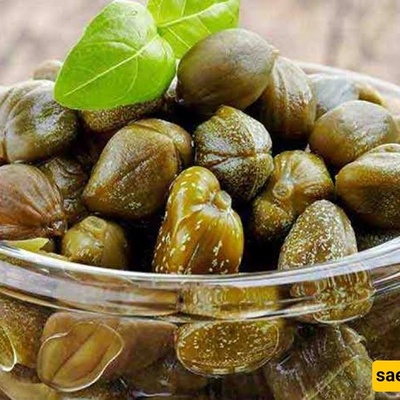
SAEDNEWS: Capers, also known as caper buds, are the immature, unopened flower buds of the Capparis spinosa plant. They are widely used as a popular seasoning in Mediterranean cuisine, adding a distinctive tangy and savory flavor to a variety of dishes.
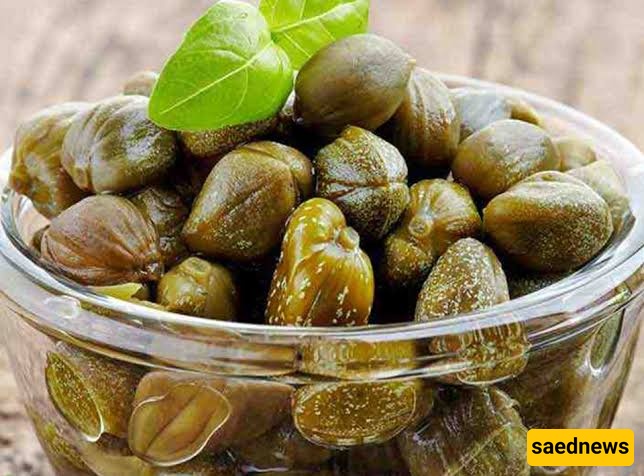
According to Saednews, Capers are the immature, unopened flower buds of the Capparis plant. They are harvested before the flowers bloom and processed for use as a condiment. The caper plant grows mainly in the hot, dry regions of the Mediterranean and is highly tolerant of drought. For this reason, it is widely cultivated in countries such as Italy, Greece, Spain, Turkey, Morocco, and parts of the Middle East. Capers have a sharp, slightly sour, and sometimes bitter taste, making them a distinctive addition to many dishes.
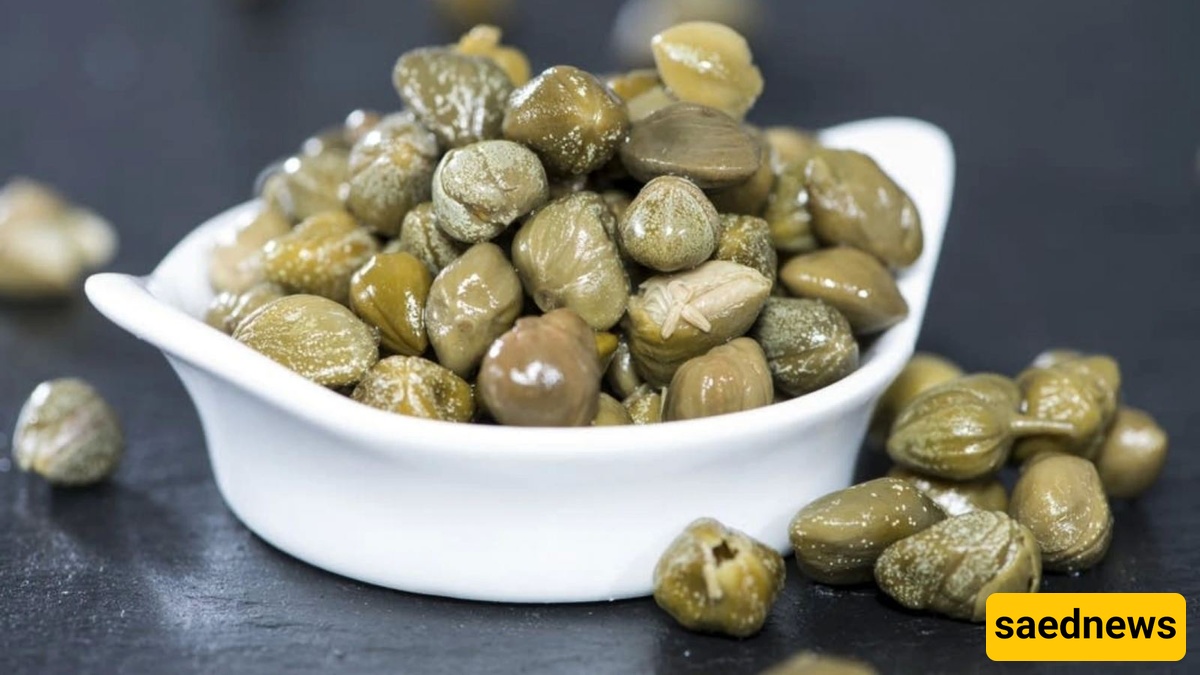
Fresh capers are rarely eaten raw because of their bitter, astringent flavor. Processing is therefore essential to make them suitable for consumption. After harvesting, the buds are sorted by size and preserved in brine, vinegar, or dry salt. Pickling helps reduce their bitterness and brings out their characteristic sharp, tangy flavor.
Salt-cured capers are commonly available in bulk or packaged form and should be rinsed thoroughly before use. Pickled capers are ready to eat, but rinsing them before serving can help reduce their sodium content.
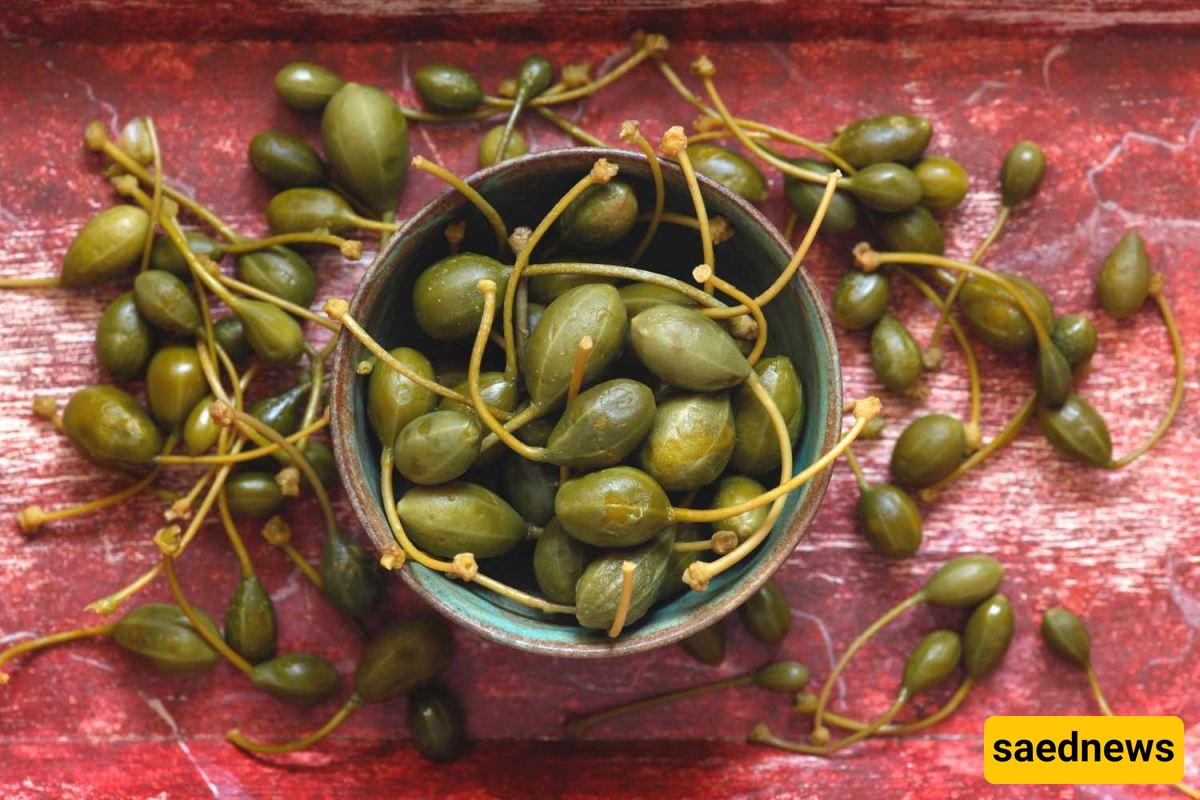
Capers are classified into several categories according to the size of their buds. Smaller capers are generally more expensive and tend to have a more concentrated flavor. Common grades include:
Non-Pareil: The smallest and most prized capers, known for their delicate yet pungent flavor.
Surfines: Slightly larger than Non-Pareil capers.
Capucines: Medium-sized capers.
Capotes: Larger capers with a somewhat milder aroma.
Fines: Relatively large capers.
Grusas: The largest capers, generally used in dishes where appearance is less important.
Smaller capers are ideal for garnishing and delicate dishes, while larger varieties are often used in sauces and cooked recipes. In addition to the flower buds, the fruit of the caper plant is also preserved and eaten. This fruit is known as a caperberry.
Capers offer a distinctive combination of pungency, acidity, saltiness, and a subtle bitter note. Their natural aroma includes floral, mustard-like, and herbal characteristics.
This complex flavor profile makes capers an effective ingredient for enhancing the taste of a wide range of dishes. Smaller capers generally have a stronger, more concentrated flavor, while larger ones may taste somewhat milder. These differences can help determine which variety is best suited to a particular recipe.
Capers are among the most versatile condiments in Mediterranean and international cuisine. They are commonly used in sauces such as caper sauce, rémoulade, tapenade, and puttanesca sauce.
Seafood dishes, including fish, shrimp, and squid, pair particularly well with capers. They are also added to salads, pizza, pasta, sandwiches, and even certain stews. In Middle Eastern cuisine, capers appear in some regional dishes and pickled preparations.
Their sharp, tangy flavor helps balance the richness of heavier foods while adding a fresh, distinctive aroma. Capers can also bring brightness and complexity to recipes without requiring large quantities.
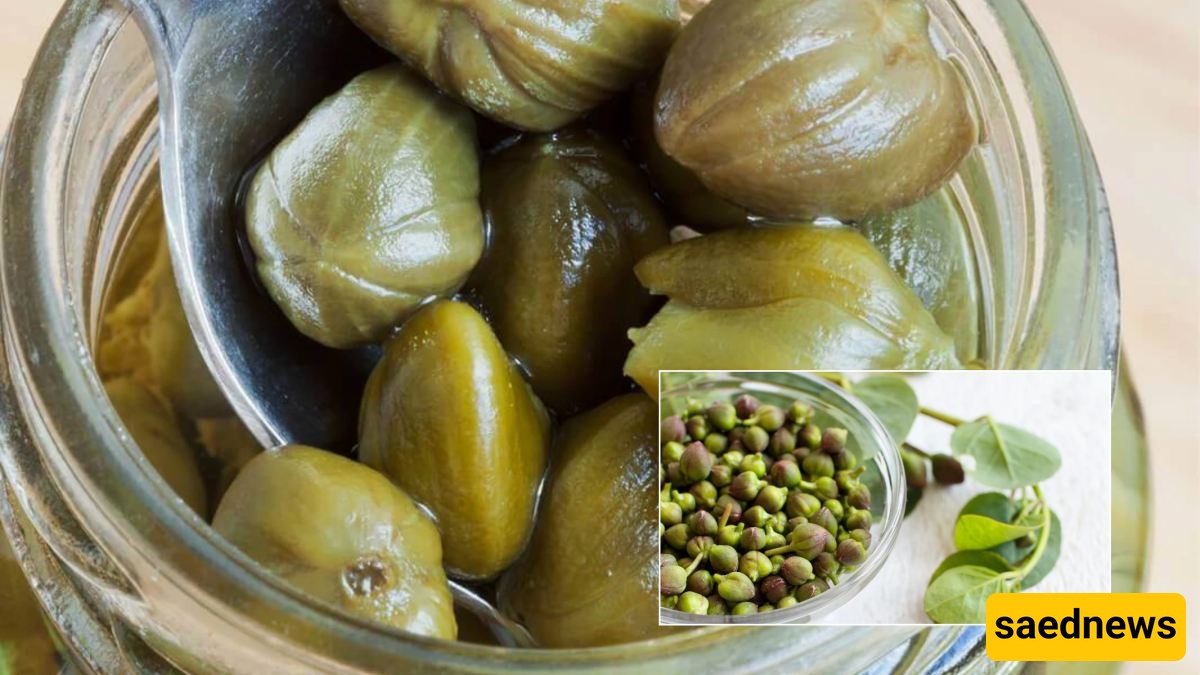
In addition to their distinctive taste, capers offer nutritional value. They are very low in calories and contain dietary fiber, vitamins such as vitamins K, C, and E, and certain B vitamins.
They also provide minerals, including iron, copper, magnesium, and calcium. However, one important consideration is the high sodium content of many processed capers. People who need to limit their salt intake should consume them in moderation. Fresh or lower-sodium capers may also be available, although they generally have a shorter shelf life.
In traditional medicine, the caper plant has been associated with a variety of potential health benefits. Some studies suggest that caper extracts contain antioxidant compounds, including rutin and quercetin. These compounds may help reduce inflammation and protect cells against oxidative damage.

Traditionally, capers and other parts of the plant have been used to support digestion, relieve bloating, promote urination, and address conditions such as kidney stones and rheumatism. The plant has also been attributed diuretic and antiseptic properties.
However, many of these traditional uses have not been adequately confirmed by clinical research, and capers should not be considered a substitute for established medical treatment.