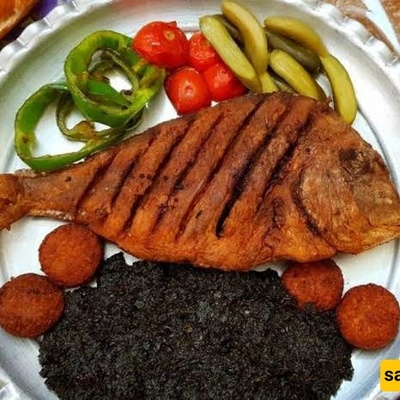
SAEDNEWS: Shank fish is a popular fish from the Persian Gulf and Gulf of Oman. In this article, we’ll explore two delicious ways to prepare it: pan-frying and serving it with a bitter orange (Narenj) sauce, along with simple tips for keeping the fish crispy, flavorful, and tender.
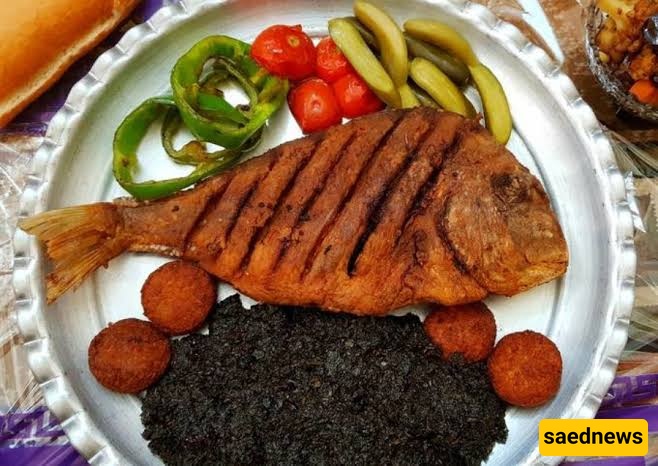
Two Elegant Ways to Prepare Shank Fish: Crispy Fried and Sour Orange Sauce
Shank fish is an excellent choice for a wide range of tastes thanks to its mild flavor and the fact that it does not require strong spices. It is rich in high-quality protein, omega-3 fatty acids, vitamin D, vitamin B12, and selenium. Regular consumption may support heart health, memory, reduce inflammation, and contribute to healthy immune function.
In addition, shank fish has firm, resilient flesh that holds together well when fried or grilled, giving the finished dish an attractive presentation. In this guide, we will cover two delicious ways to prepare shank fish: crispy frying and serving it with a traditional sour orange sauce. We will also share useful tips for improving its flavor and texture.
To achieve the best results, prepare the following ingredients:
1 large fresh shank fish, about 1.5 kg
1 medium onion
2 cloves garlic
½ cup sour orange juice
1 egg
1 tablespoon breadcrumbs
2 tablespoons all-purpose flour
Brewed saffron, as needed
Salt, black pepper, and turmeric, as needed
1 teaspoon fresh grated ginger or ground ginger
1 teaspoon fish seasoning
Frying oil, as needed
 How to Make Crispy Fried Shank Fish
Frying is one of the most classic and popular ways to prepare shank fish. When the following steps are followed carefully, the result is crisp, golden, flavorful fish with juicy flesh.
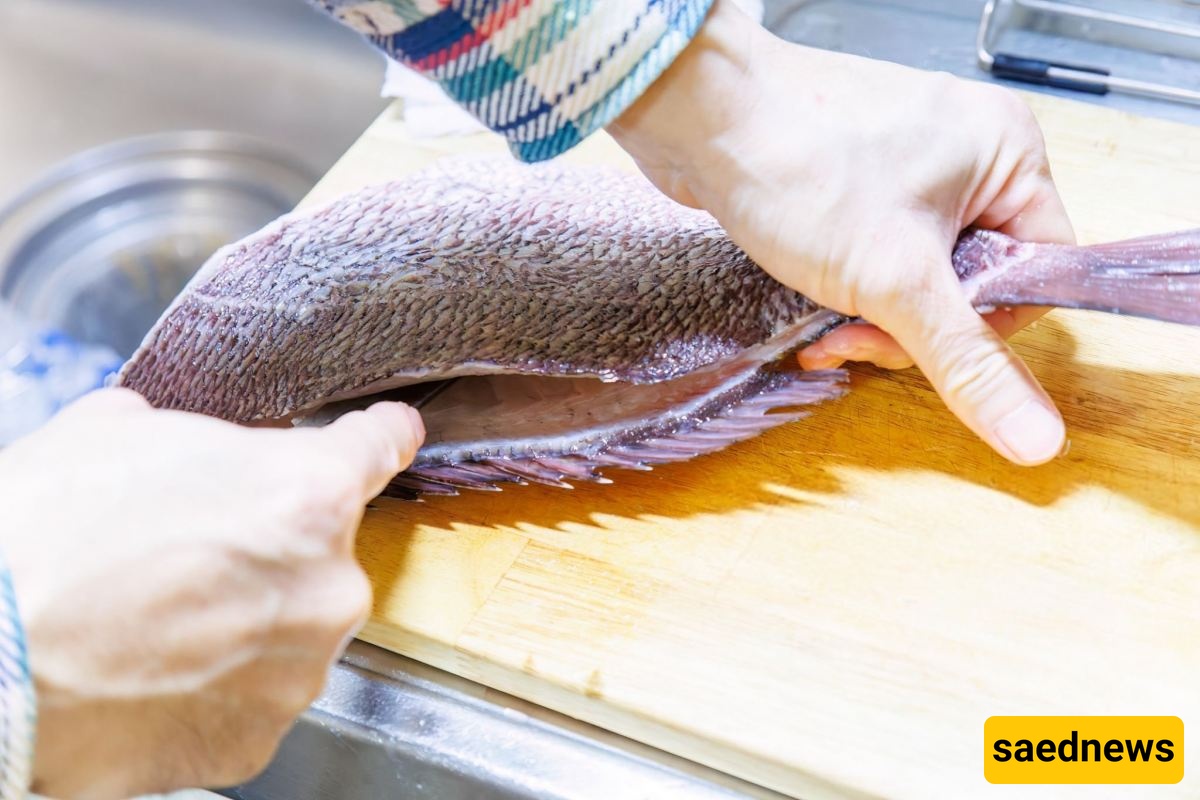
Cut the shank fish in half or into your preferred portions. If you want to fry the fish whole, make several vertical cuts across its body so the seasonings can penetrate deeper into the flesh.
Rinse the fish with cold water and dry it thoroughly with a clean towel. Excess moisture can interfere with frying and may cause the fish to absorb more oil and become soft and greasy.
To prepare the marinade, grate the onion and garlic and squeeze out their excess liquid. Add grated ginger, turmeric, black pepper, and fish seasoning. Coat all sides of the fish with the mixture and refrigerate for at least 2 hours, preferably overnight. Allowing the fish to marinate thoroughly helps neutralize its strong odor and infuses it with flavor.
Once the marinating time is complete, remove the fish from the refrigerator. Gently scrape or wipe away the onion and garlic mixture from the surface. This is important because onion and garlic can burn quickly during frying and leave a dark, bitter coating on the fish.
Mix the flour with a little salt and pepper on a plate, then coat the fish thoroughly. Beat the egg in a separate bowl until smooth and dip the floured fish into it.
Finally, place the fish in the breadcrumbs and gently press so the crumbs adhere evenly to all sides. This three-layer coating creates a crisp, golden crust while helping the flesh remain moist.

Pour enough oil into a deep or nonstick pan to reach approximately two finger-widths in depth. Heat the oil over medium-high heat until it is thoroughly hot.
To test the temperature, drop a small piece of bread into the oil. If it turns golden almost immediately, the oil is ready.
Carefully place the fish pieces into the oil, leaving enough space between them so the temperature does not drop too much.
Fry each side for approximately 5–7 minutes, or until golden brown. Avoid handling the fish excessively and turn each piece only once to help preserve its texture.
Once cooked, transfer the fish to a paper towel-lined plate to absorb excess oil.
For a more distinctive and traditional flavor, shank fish served with sour orange sauce is an excellent choice. The bright, tangy aroma of sour orange helps balance the fish's natural aroma and pairs beautifully with its naturally mild, slightly sweet flesh.
Dissolve 1 tablespoon of flour in ½ cup of sour orange juice and place the mixture over low heat. Stir continuously to prevent lumps from forming.
Once the sauce begins to thicken slightly, add brewed saffron and mix well.
In a separate bowl, beat the egg and gradually add it to the sauce. Keep the heat low to prevent the egg from cooking too quickly or causing the sauce to become stringy.
As soon as the sauce becomes smooth and uniform, remove it from the heat.
Arrange the fried fish on a serving platter and pour the warm sauce over it. The sauce should be served warm because it becomes excessively thick and gelatinous as it cools.
For an attractive presentation, garnish the dish with cooked sour-orange slices, fresh herbs, and olives. Serve with saffron rice or fresh bread for an elegant and satisfying meal.
If you prefer a lighter cooking method with less oil, baking is an excellent option.
Clean and marinate the fish as described above, but replace the breadcrumbs with a small amount of olive oil and lemon juice.
Arrange the fish on a baking tray and cover it with aluminum foil. Bake at 180°C (350°F) for approximately 20 minutes. Remove the foil and bake for another 10 minutes, allowing the surface to become lightly browned.
The result is juicy, light, and aromatic fish that works particularly well as part of a balanced meal.
Choose fresh fish: Red gills, clear eyes, and a mild smell are good indicators of freshness. If using frozen fish, thaw it overnight in the refrigerator rather than placing it in warm water.
Use ginger: Fresh ginger is particularly effective at reducing the strong aroma of fish. Grate it and add it to the marinade.
Control the heat: Keep the cooking temperature between medium and low-medium. Excessive heat can burn the exterior while leaving the center undercooked.
Avoid repeated turning: Turn each piece only once. Frequent turning can cause the flesh to break apart and the crispy coating to come off.
Add lemon juice or vinegar: A few drops of lemon juice or white vinegar in the marinade can balance the acidity and help improve the texture of the skin.
Let the fish rest: Allow the cooked fish to rest for 2–3 minutes before serving so the juices can redistribute throughout the flesh.
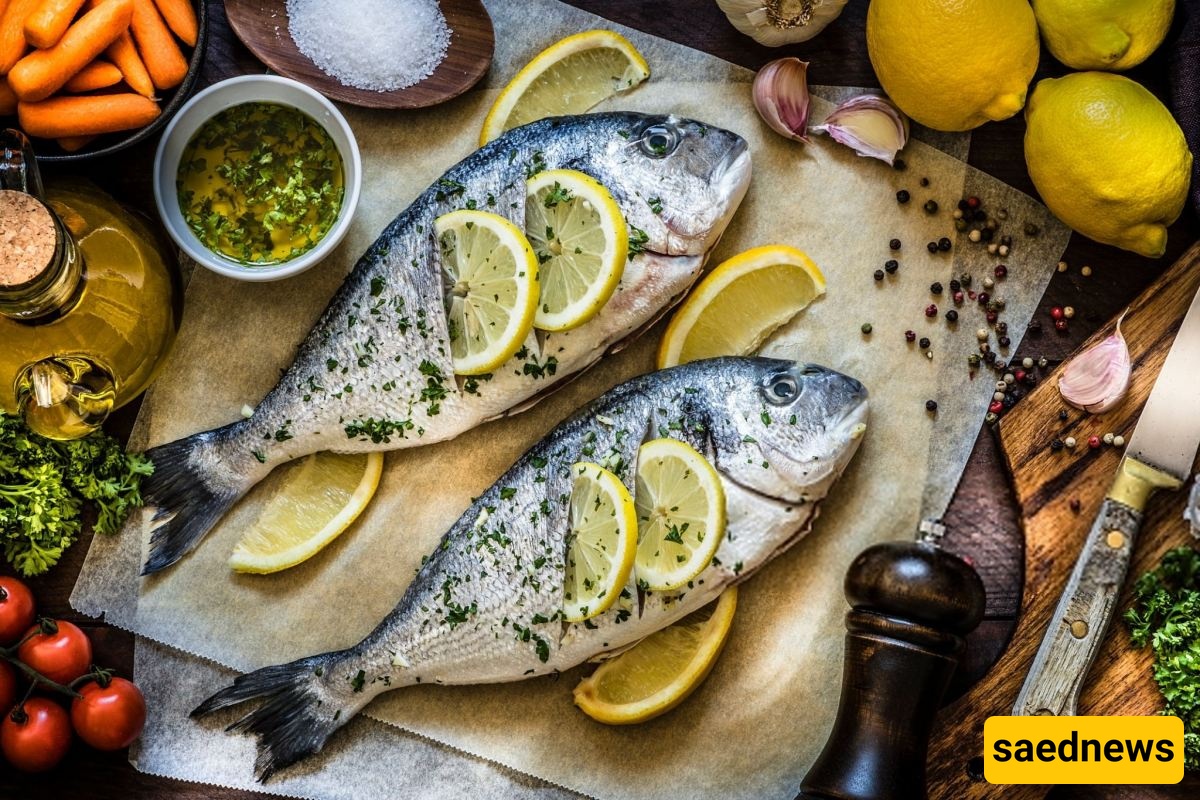
Whether you choose the crispy fried version or the elegant sour-orange preparation, shank fish is a versatile option for both everyday meals and special occasions. Its firm texture, mild flavor, and ability to hold its shape during cooking make it especially suitable for impressive presentations.