SAEDNEWS: Cucamelon, also known as Mexican cucumber, is a small fruit that resembles a miniature watermelon and has a fresh, slightly tangy flavor. This guide explores what cucamelons are, their benefits, how to grow them, and their various uses.
According to Saednews, In recent years, a small and fascinating fruit that looks like a miniature watermelon has captured the attention of gardeners, chefs, and healthy-eating enthusiasts around the world.
Known as the cucamelon, this fruit is actually a naturally occurring plant native to Central America. Thanks to its distinctive flavor and wide range of culinary uses, it has quickly found its way into home gardens and modern restaurants.
Many people assume that cucamelons are genetically modified or a newly developed variety. In reality, this fruit was cultivated centuries ago by Indigenous peoples in Mexico.
In this article, we will take a comprehensive look at what cucamelons are, their nutritional properties, how they are grown, and how they differ from ordinary cucumbers.
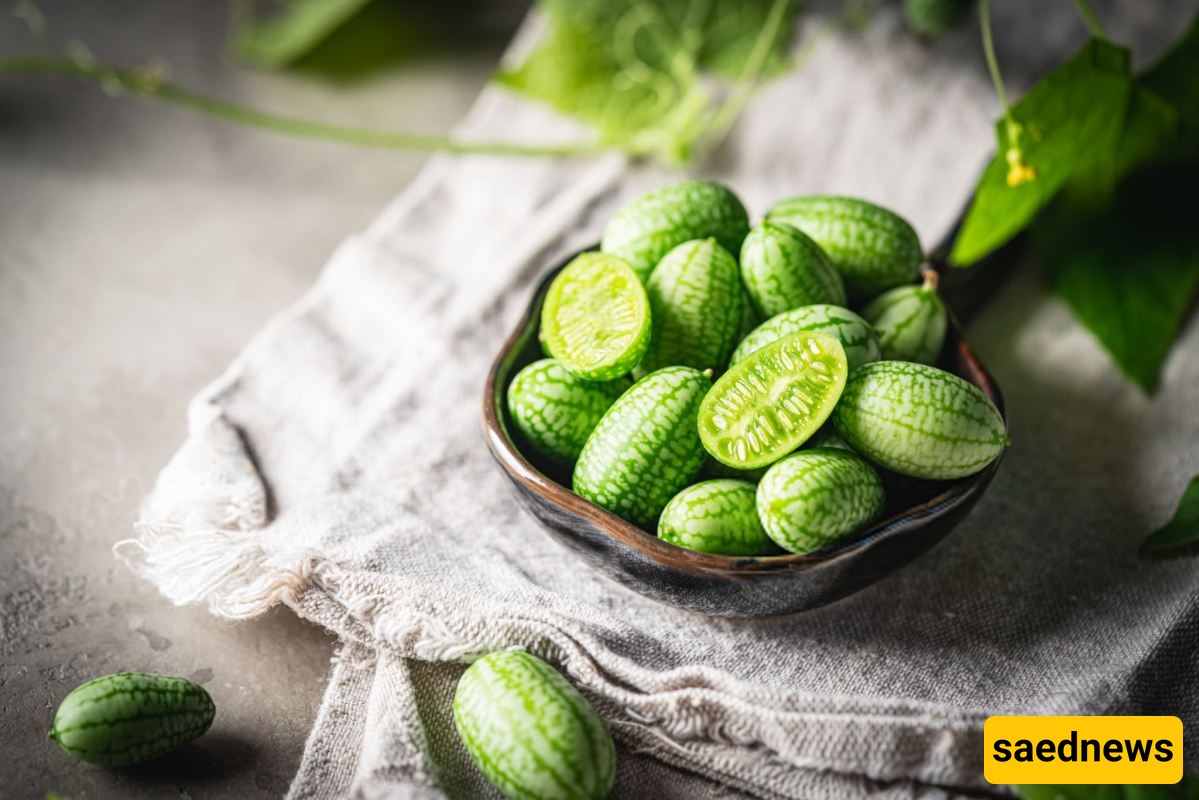
Cucamelon is a member of the cucumber family (Cucurbitaceae), and its scientific name is Melothria scabra. The plant is native to the tropical and subtropical regions of Mexico and Central America, where it has long been part of the traditional diets of Indigenous communities.
The name “cucamelon” is a combination of the English words “cucumber” and “melon.” The name reflects the fruit's cucumber-like flavor and its resemblance to a tiny watermelon.
Importantly, cucamelon is a completely natural plant species and has no connection to genetically modified organisms (GMOs). Its small size is the result of the plant's natural genetic characteristics rather than human genetic modification.
This fruit is known by several names around the world, which can be useful to know when searching for seeds or plants:
Cucamelon — the common international name
Mexican cucumber
Mexican sour cucumber
Mouse melon
Mexican miniature watermelon
Sandita in Spanish, meaning “little watermelon”
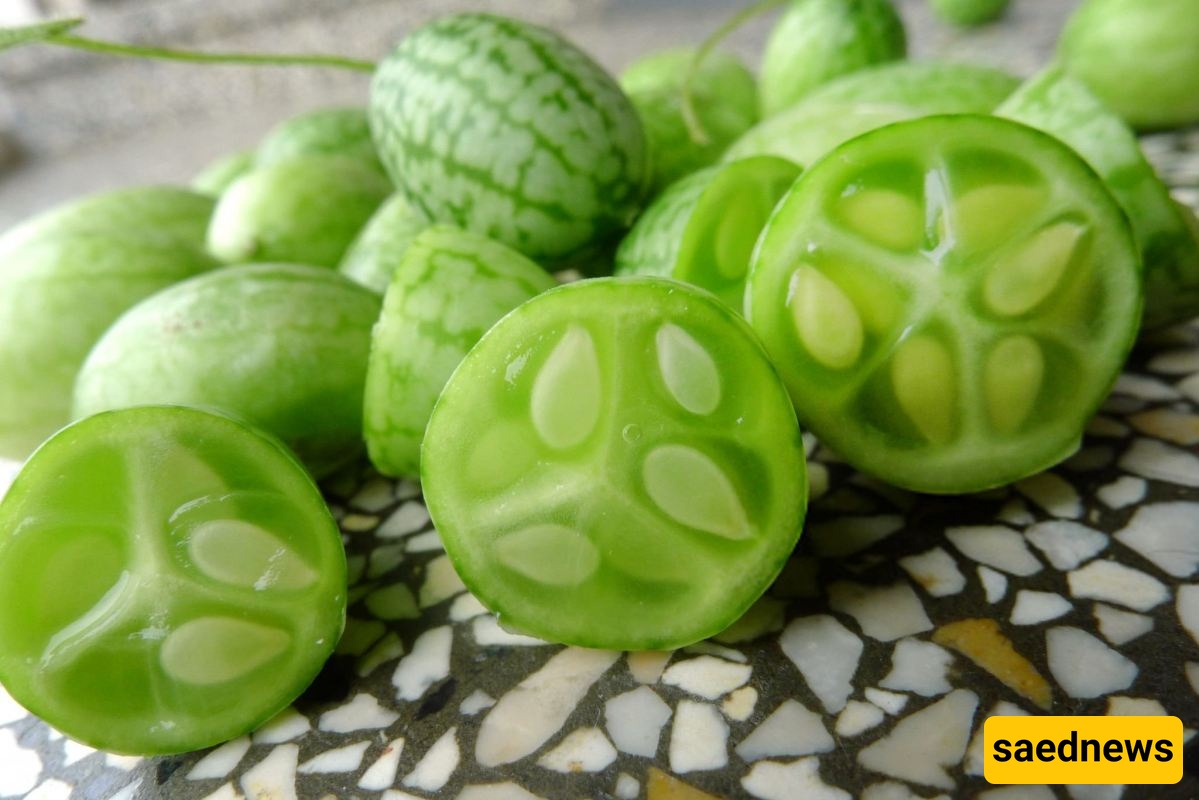
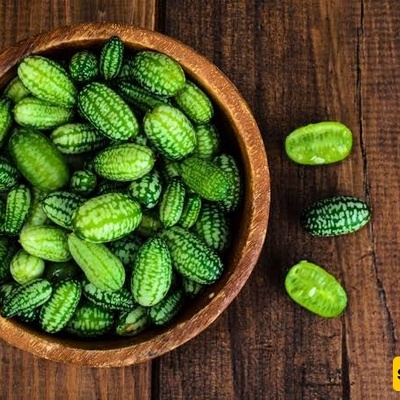
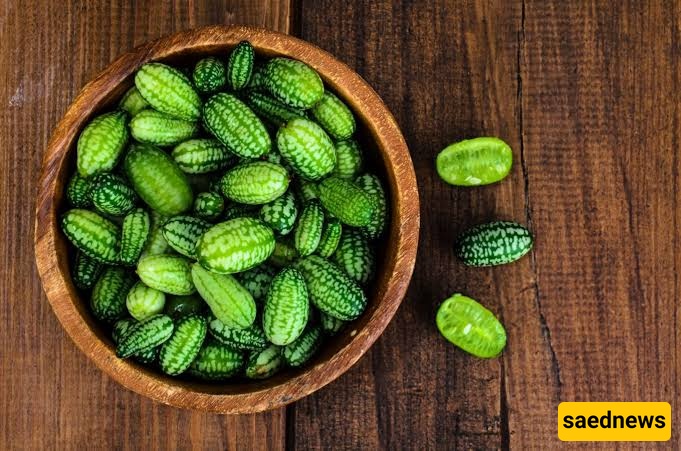
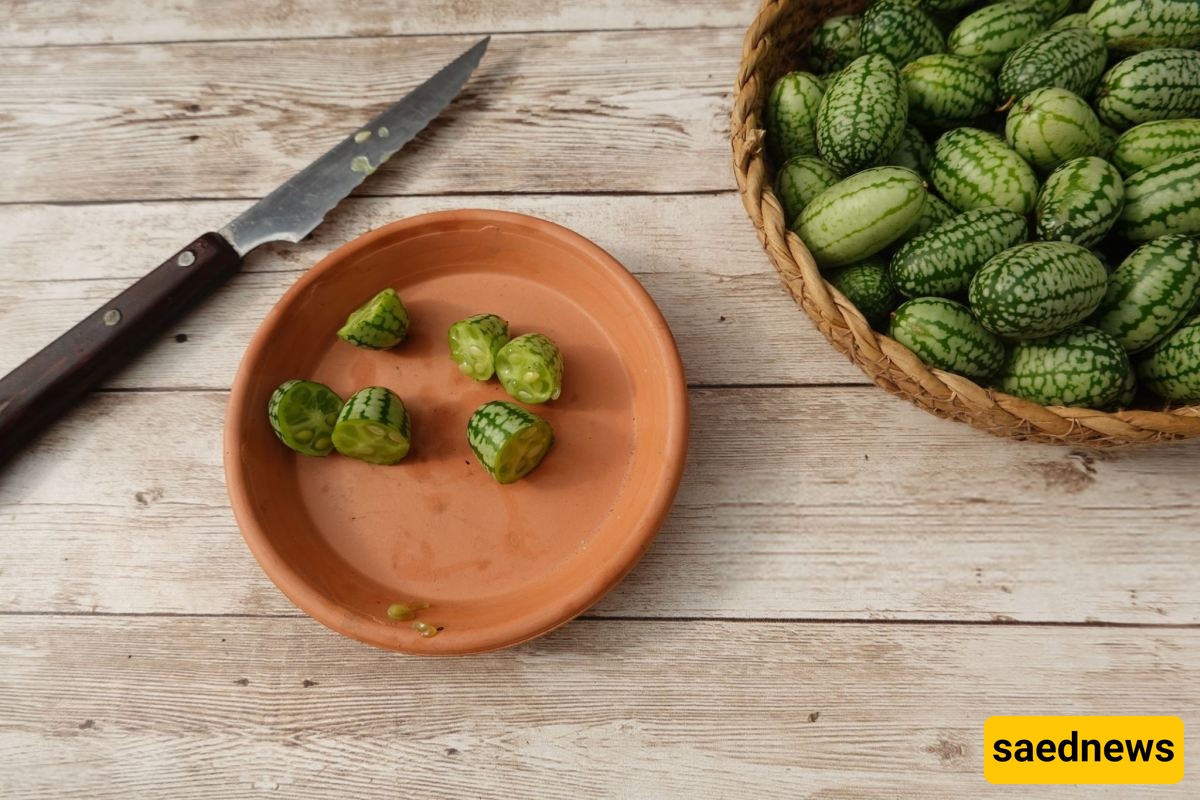
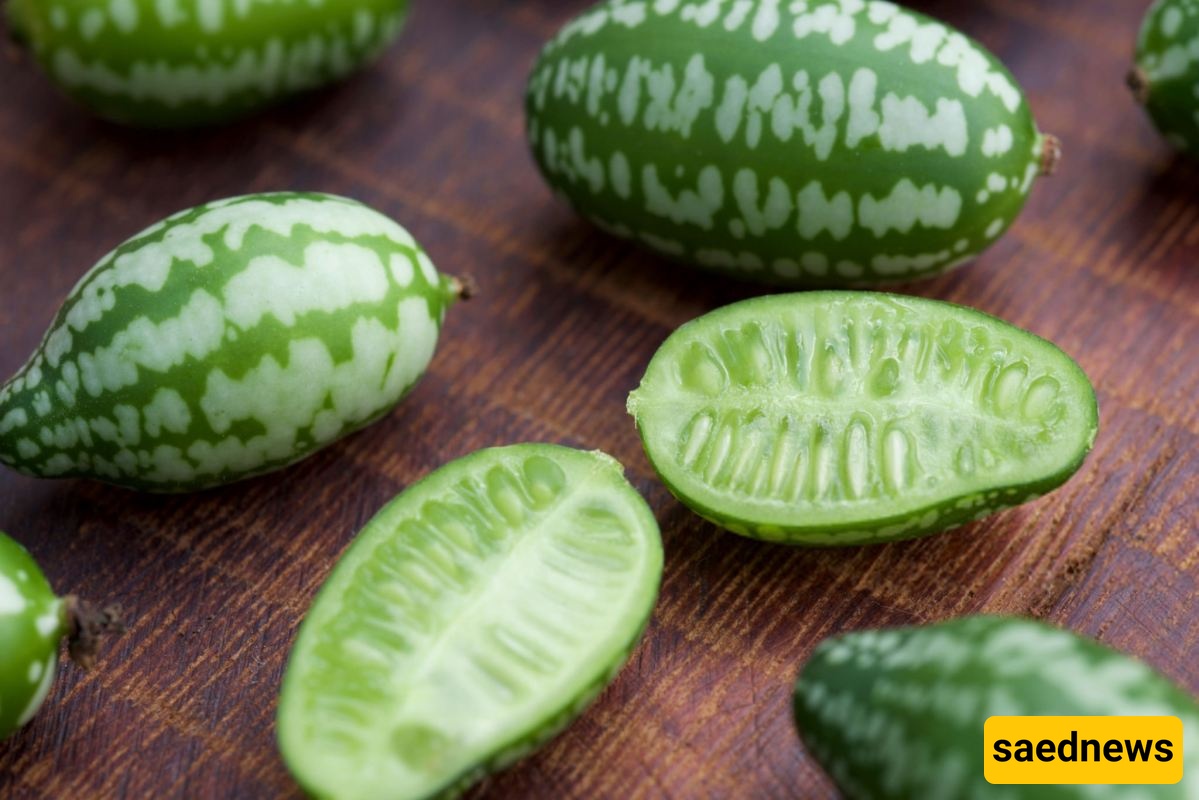
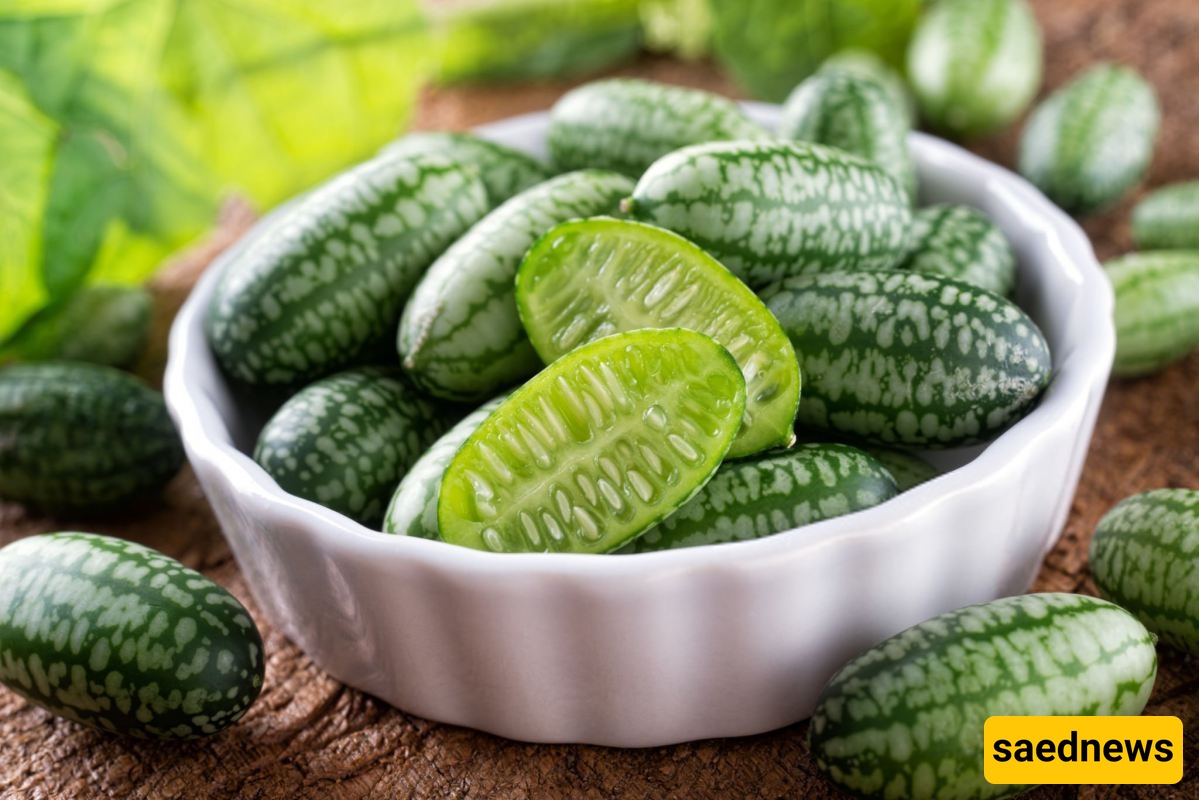
Cucamelon fruits are usually about 2–3 centimeters long and have an oval, slightly elongated shape. Their skin is light green with darker stripes, creating a miniature version of the familiar watermelon pattern.
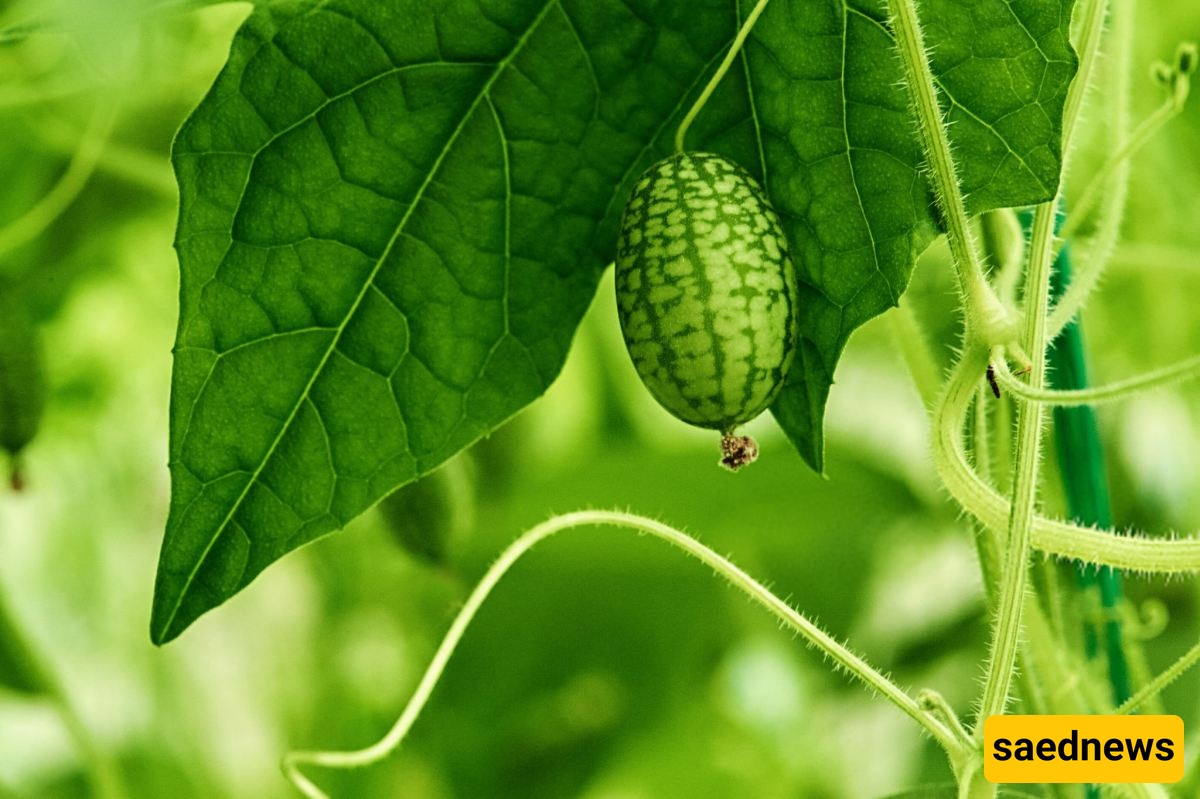
The plant is a climbing vine that can reach 2–3 meters in height when provided with a stake or trellis. It produces cucumber-like leaves and small yellow flowers.
One of the main reasons cucamelons have become so popular is their distinctive flavor. They combine the fresh taste of cucumber with a slightly sour, citrus-like note reminiscent of lime.
Their texture is crisp and juicy, while the thin skin does not need to be peeled.
As a result, cucamelons can be enjoyed raw as a snack or used as a flavorful ingredient and garnish in a wide variety of dishes.
In addition to their pleasant flavor, cucamelons can be a nutritious addition to the diet. Their notable nutritional components include:
Very low calorie content: Approximately 15–20 calories per 100 grams, making them suitable for calorie-conscious diets.
Vitamin C: Supports normal immune function and helps the body absorb iron.
Vitamin K: Plays an important role in blood clotting and bone health.
Potassium: Helps regulate blood pressure and maintain electrolyte balance.
Dietary fiber: Supports healthy digestion and can contribute to a feeling of fullness.
Antioxidants and anti-inflammatory compounds: These include carotenoids and compounds such as cucurbitacins, which have been investigated for potential anti-inflammatory and anticancer properties.
High water content: Around 90% of the fruit consists of water, contributing to overall hydration.
Cucamelons are not a substitute for medication, and their potential benefits should be considered as part of an overall balanced diet.
Because of their small size and attractive appearance, cucamelons have many culinary applications:
Eating fresh: They can be enjoyed as a snack, added to salads, or served with cheese and fresh vegetables.
Pickling: One of the most popular preservation methods is pickling cucamelons whole in vinegar and spices.
Food decoration: Their miniature watermelon-like appearance makes them excellent for decorating appetizers and desserts.
Drinks: They can be used in cocktails, lemonades, and refreshing summer beverages.
Cooked dishes: They can be quickly sautéed or served alongside fish and chicken.
Cucamelons are warm-season plants that require full sun, ideally at least six hours of sunlight per day.
They grow best in light, fertile soil with good drainage. Because they are sensitive to frost, planting should take place after the danger of frost has passed.
In warm climates, cucamelons can behave as perennial plants and may regrow the following year from underground tubers.
Cucamelon seeds are best started indoors in seed trays 4–6 weeks before the last spring frost.
The ideal germination temperature is approximately 21–24°C (70–75°F), and seedlings generally appear within 10–20 days.
Once the danger of frost has passed, transplant the seedlings outdoors, leaving approximately 30–45 centimeters between plants.
Stakes and trellises: Since cucamelons are climbing vines, providing a trellis improves air circulation, reduces the risk of disease, and makes harvesting easier.
Watering: Regular, deep watering is especially important during flowering and fruit production. However, waterlogged soil should be avoided.
Fertilizing: Applying balanced organic fertilizer can encourage healthy growth and fruit production.
Pruning: Removing unnecessary shoots can improve air circulation and light penetration.
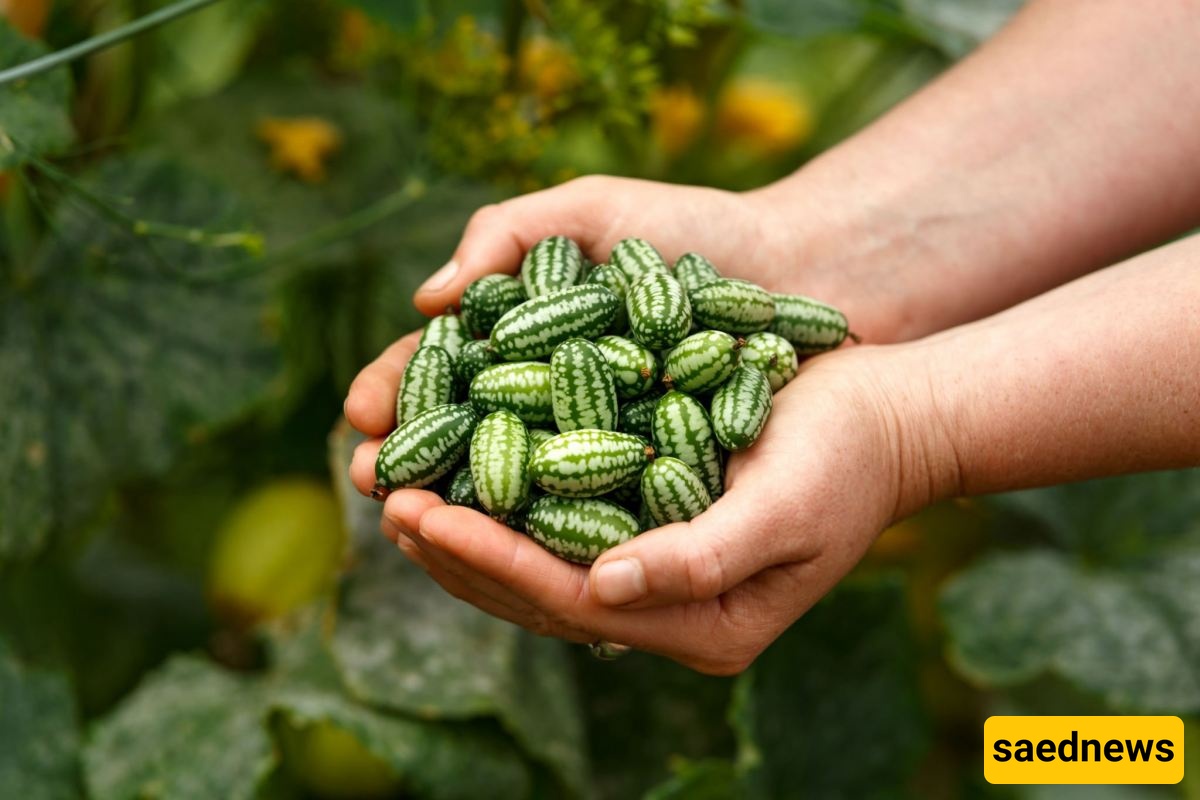
Cucamelons are generally ready to harvest 60–80 days after planting.
The best time to harvest is when the fruits are firm, green, and well developed. Overripe fruits may become softer and less flavorful.
A healthy plant can produce hundreds of fruits during a growing season, making cucamelons an appealing choice for home gardens.
Cucamelons are relatively hardy, but they can still experience several common problems:
Aphids and spider mites: These can often be controlled by washing the leaves or using insecticidal soap.
Cucumber beetles: Regularly inspecting the plants and using appropriate traps can help manage them.
Powdery mildew: This can develop as a result of poor air circulation or excessive humidity. Adequate spacing between plants can help prevent it.
Feature | Cucamelon | Regular Cucumber |
|---|---|---|
Main uses | Fresh eating, pickling, food decoration | Salads, pickling, fresh eating |
Storage | Several days in the refrigerator; pickled fruit lasts much longer | About 1–2 weeks in the refrigerator |
Maturity | 60–80 days after planting | 50–70 days after planting |
Appearance | Watermelon-like stripes | Usually solid green or spotted |
Decorative value | Very high | Moderate |
Although cucamelons and cucumbers both belong to the Cucurbitaceae family, they belong to different genera.
Cucamelons belong to the genus Melothria, while ordinary cucumbers belong to the genus Cucumis.
This distinction means that:
Cucamelons may show greater resistance to certain cucumber diseases, such as bacterial wilt.
Their growth pattern and fruit production differ from those of cucumbers.
They can be grown alongside cucumbers in the same garden without interfering with one another.
Growing cucamelons offers several advantages for home gardeners:
Heavy production: A single plant can produce hundreds of small fruits during the growing season.
Minimal space requirements: When trained vertically on a trellis, they can even be grown on balconies and terraces.
Relative hardiness: They generally experience fewer pest and disease problems than cucumbers.
Potential to grow as perennials: In warm climates, they can regrow from underground tubers the following year.
Ornamental appeal: Their green foliage and hanging fruits add visual interest to gardens and balconies.
Storage: Keep cucamelons unwashed in a covered container in the refrigerator. They generally remain fresh for several days to about a week.
Pickling: For long-term storage, pickling them with vinegar, salt, garlic, and spices is one of the best options.
Eating: Wash the fruit gently before eating. The thin skin does not need to be removed.
Consumption warning: As with other members of the cucumber family, avoid eating extremely bitter fruits or unidentified wild plants, as they may contain high concentrations of cucurbitacins.
One of the most common questions about cucamelons is whether they are genetically modified.
The answer is no. Cucamelon is a natural plant species native to Mexico and Central America. Indigenous peoples cultivated it centuries before modern genetic-engineering technologies existed.
Its small size and watermelon-like appearance are the result of the species' natural genetic characteristics, not human genetic modification.
Cucamelon, also known as the Mexican cucumber, is a small, natural fruit native to Central America. With its miniature watermelon-like appearance, refreshing and slightly sour flavor, and nutritional value, it has become increasingly popular in home gardens and modern cuisine.
This plant:
Belongs to the cucumber family but to a different genus from ordinary cucumbers.
Is low in calories and provides vitamin C, vitamin K, potassium, fiber, and antioxidants.
Can be eaten fresh or used for pickling, food decoration, and beverages.
Grows well in full sun, light well-drained soil, and with the support of a trellis.
Is completely natural and is not genetically modified.
For anyone looking for a productive, relatively low-maintenance, and visually appealing plant for a garden, balcony, or terrace, cucamelon can be an excellent choice that adds both beauty and variety to the table.
Yes. Cucamelons can be grown successfully in containers. Choose a pot at least 30 centimeters deep and provide a trellis or other vertical support.
They taste like a combination of fresh cucumber and a slightly sour, citrus-like flavor. Some people describe them as cucumber with a hint of lime.
Fruits from cultivated, properly grown plants are edible. However, extremely bitter fruits or fruits from unidentified wild plants should be avoided.
Harvest them when they are firm, green, and well developed. Overripe fruits tend to become softer and less flavorful.
Cucamelons are warm-season plants and are sensitive to cold. In colder regions, they should generally be grown as annuals and planted only after the danger of frost has passed.