SAEDNEWS: A hard, unripe avocado can be ripened at home using a few simple methods. In this guide, we’ll explore the most effective techniques, the signs that an avocado is ready to eat, and common mistakes to avoid.
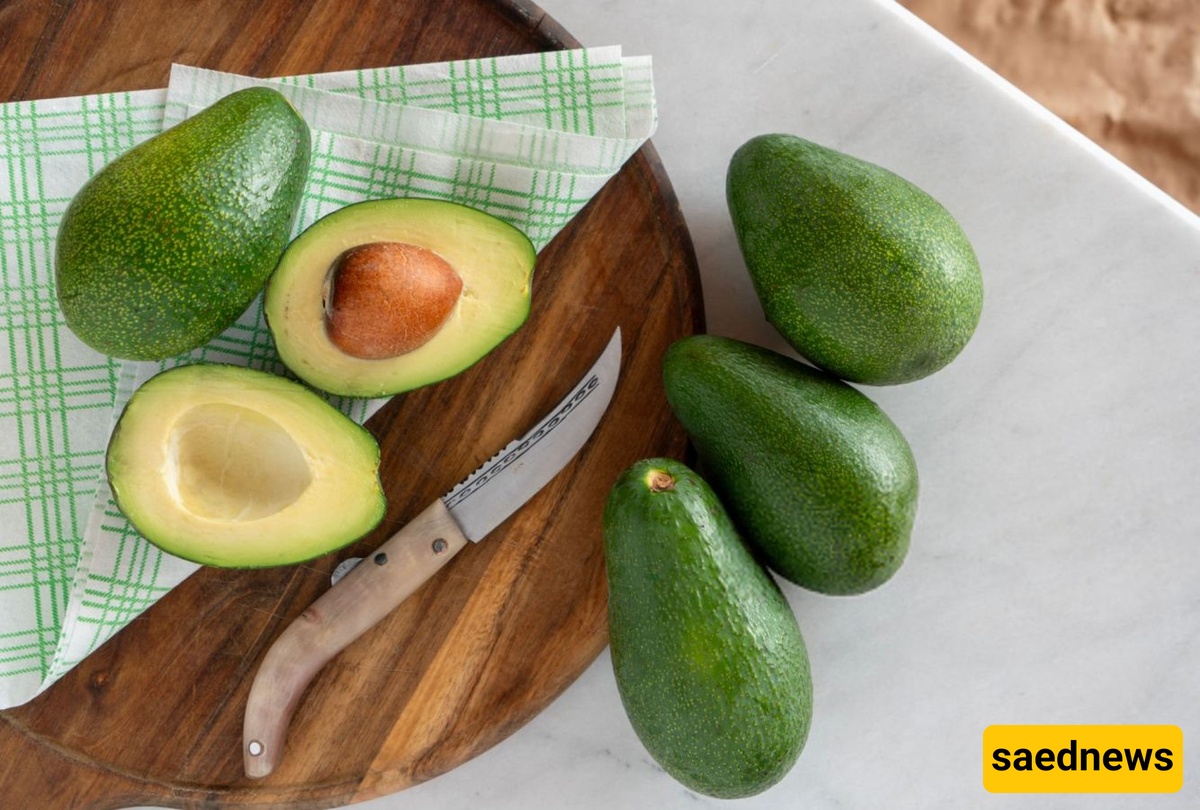
According to Saednews, Avocados are climacteric fruits, meaning they continue to ripen even after being harvested. For this reason, growers and sellers usually pick avocados before they are fully ripe so they do not spoil during transportation and storage.
Low temperatures can significantly slow down the ripening process. So, if you have received a hard, unripe avocado, there is usually no reason to worry. By following a few simple steps, you can turn it into a ripe and flavorful fruit.
The main factor responsible for avocado ripening is ethylene gas. This gas is naturally released by the fruit itself and by other fruits such as bananas and apples. The more ethylene that accumulates around an avocado, the faster it ripens. Temperature also plays an important role. Normal room temperature, around 18–24°C (64–75°F), provides ideal conditions for ripening an unripe avocado.
Before trying to speed up the process, it is important to know what a ripe avocado looks and feels like so you can identify the right time to eat it.
Skin color: In some varieties, such as Hass, the skin changes from green to dark purple or almost black as the fruit ripens. However, some avocado varieties remain green even when fully ripe.
Stem cap: Remove the small cap at the top of the fruit. If the area underneath is green, the avocado is likely still ripening. If it is brown, the fruit may be overripe.
Gentle pressure: Gently press the avocado with your thumb and fingers. If it gives slightly under gentle pressure, it is ripe. If it remains firm, it is still unripe.
Keep in mind that color alone is not a reliable indicator. The best approach is to combine visual inspection with a gentle touch.
One of the most common and effective methods is placing the avocado in a paper bag. The bag traps some of the ethylene released by the fruit, helping speed up the ripening process.
For better results:
Place the avocado inside a paper bag.
Fold the top loosely rather than sealing it completely, allowing some airflow.
Keep it at room temperature.
The avocado will usually ripen within one to three days.
This method is simple, inexpensive, requires no special equipment, and works well for most avocado varieties.
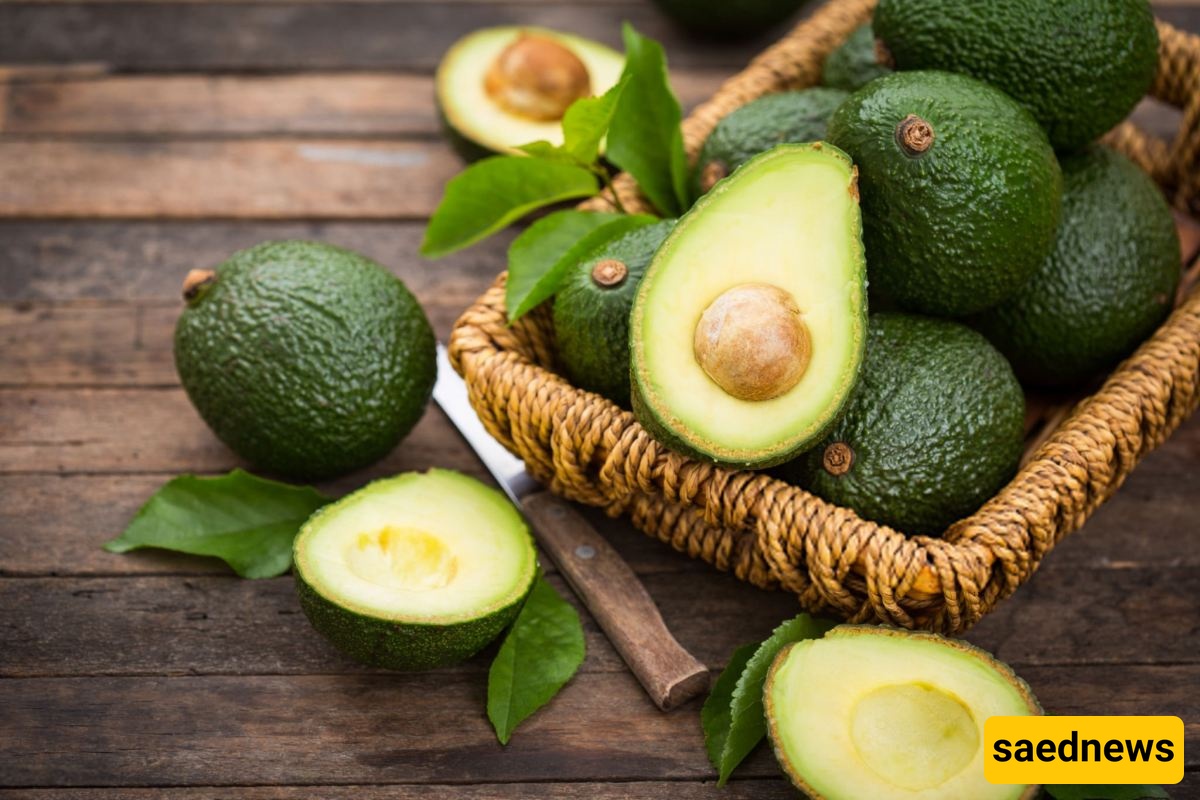
Bananas and apples are also good sources of ethylene. Adding one of them to the paper bag with the avocado can speed up the process even further.
Simply place a ripe banana or an apple alongside the avocado in the paper bag. This combination may reduce the ripening time to one or two days.
Important: Make sure the banana or apple is not excessively overripe or mushy. Excess moisture can increase the risk of mold developing on the avocado.
The low temperature inside a refrigerator can stop or significantly slow down ripening. If your avocado is still unripe, avoid putting it in the refrigerator.
Instead, keep it at room temperature and away from direct sunlight. Once the avocado has ripened, you can refrigerate it for a few days to slow further ripening.
Placing an avocado in a container filled with flour or rice is another traditional and relatively effective method. These materials can help trap ethylene around the fruit and accelerate the ripening process.
Make sure the avocado is not completely buried without airflow. After using this method, wash the avocado thoroughly before eating it.
If you need to use the avocado on the same day, you can try a heat-based method. However, keep in mind that these techniques do not actually ripen the fruit. They simply soften its texture.
Oven: Wrap the avocado in foil and place it in an oven at approximately 90°C (194°F) for about 10–15 minutes.
Microwave: Pierce the avocado several times and microwave it for approximately 30–60 seconds.
The flavor and texture produced by these methods are different from naturally ripened avocado, so they are not recommended when you plan to eat it raw. However, the softened fruit can work well in sauces or smoothies.
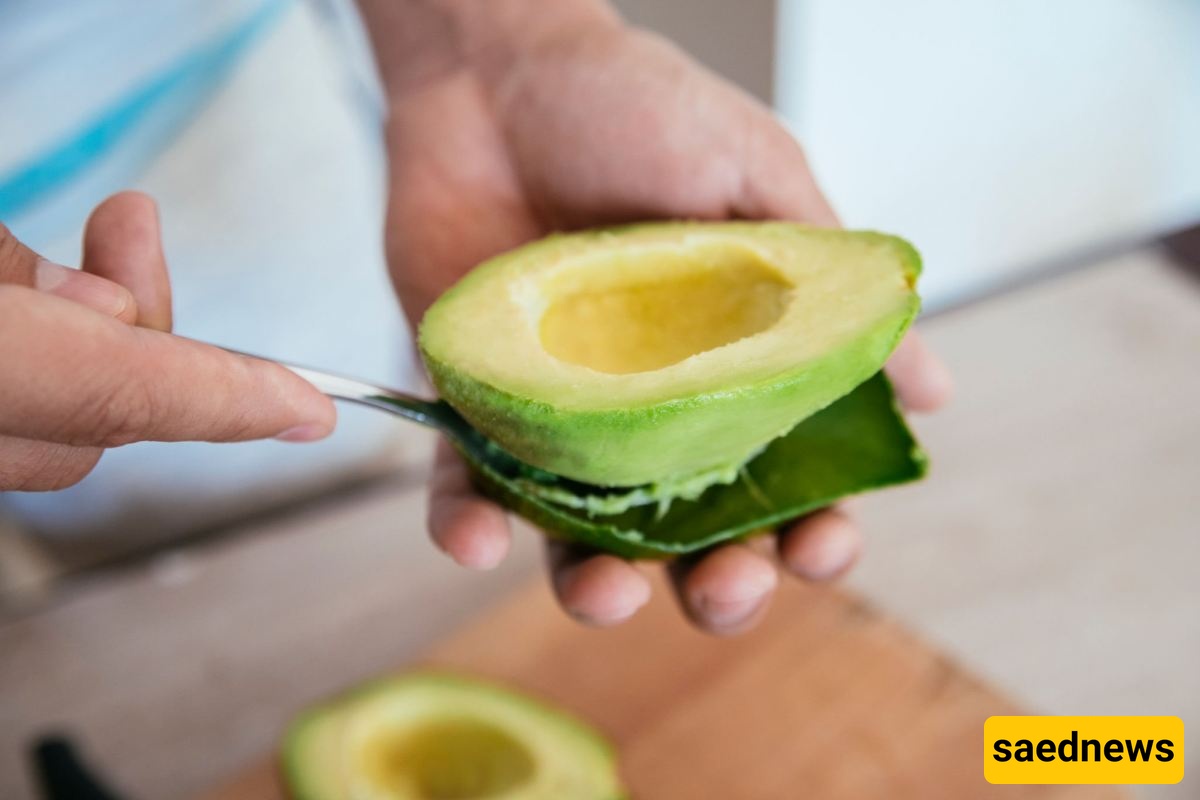
When trying to ripen an unripe avocado, some methods can do more harm than good:
Refrigerating an unripe avocado: This can stop or greatly slow the ripening process.
Sealing it in completely airtight plastic: Excess moisture can accumulate and create unpleasant odors or encourage mold.
Using excessive or prolonged heat: This can damage the texture of the fruit.
Buying extremely hard avocados that have been refrigerated at the store: Some fruits may have difficulty ripening properly after prolonged cold storage.
Once your avocado has reached the desired level of ripeness, proper storage can help prevent it from becoming overripe.
Keep it in the refrigerator.
If you use only half of an avocado, leave the pit in the remaining half and coat the exposed flesh with lemon juice.
Store it in an airtight container to minimize exposure to air.
These steps can help slow browning and preserve the avocado’s flavor and texture.
The easiest way to ripen an unripe avocado is to place it in a paper bag at room temperature. Adding a banana or apple can make the process even faster. Avoid refrigerating an unripe avocado, and use heat-based methods only when you need to soften the fruit quickly rather than genuinely ripen it.