SAEDNEWS: Iran Prepared for Diplomacy, Economic Blockade, or Military Conflict with the US, Deputy FM Says
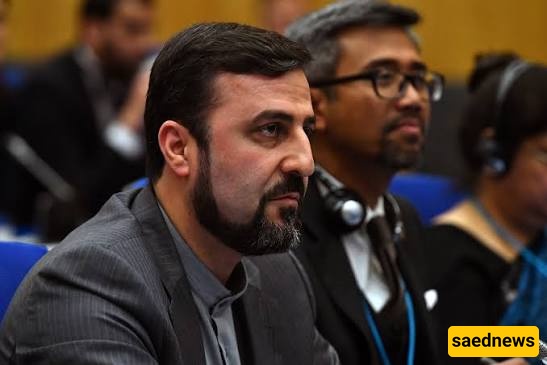
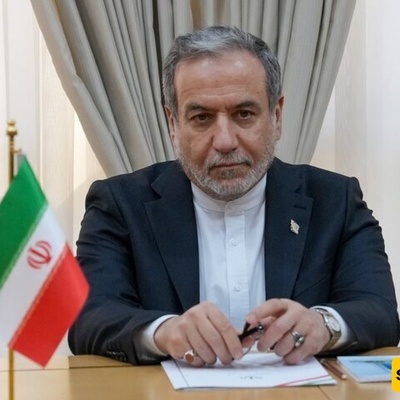
According to Saednews, Iranian Deputy Foreign Minister Kazem Gharibabadi has accused the United States of repeatedly undermining diplomatic efforts, arguing that Washington must take practical measures to rebuild Tehran’s confidence before any new negotiations can move forward.
Speaking in a televised interview on Sunday evening, Gharibabadi said Washington had demonstrated its unreliability on at least three occasions over the past 18 months. He pointed to the 12-day war, which erupted while negotiations were in progress, the subsequent 40-day conflict that also coincided with diplomatic discussions, and the Islamabad negotiations and related Memorandum of Understanding, which he said remained in effect for no more than two weeks.
Gharibabadi outlined several fundamental conditions that Iran considers essential for reaching an agreement with the United States. These include a lasting end to hostilities across all fronts, the removal of the US economic blockade, the resolution of the issue of Iran's frozen financial assets, and the lifting of specific sanctions, particularly those targeting the country's oil industry.
He stressed that Washington had subsequently abandoned its obligations and effectively nullified the Islamabad understanding before introducing additional sanctions against Iran.
According to the Iranian official, the newly imposed restrictions must also be addressed as part of any future arrangement. Tehran will not accept a situation in which Washington retains these sanctions as leverage and expects Iran to enter further negotiations simply to have them lifted.
Addressing the continued US military buildup in the region, Gharibabadi said Washington must clarify the status of the additional military forces and equipment deployed following the previous understanding.
He emphasized that the United States must take tangible action regarding its military presence, adding that the implementation of the agreed measures should not require an extended period.
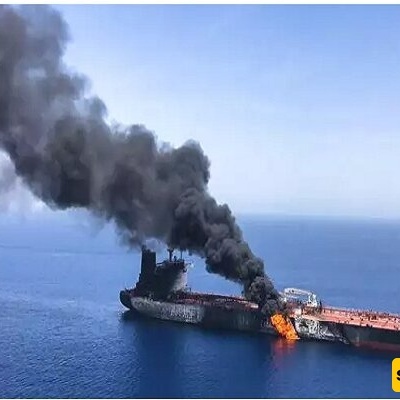
Gharibabadi explained that Iran had initially proposed a seven-day framework for ending the conflict and reopening the Strait of Hormuz. However, following approximately two months of consultations with mediating countries, particularly Qatar and Pakistan, Tehran had shortened the proposed implementation period to just 48 hours.
He said the revised arrangement could be implemented within two days, potentially paving the way for the reopening of the strategically important waterway. According to him, the proposal has already been presented and remains available for consideration.
The Iranian deputy foreign minister said substantial disagreements remain between Tehran and Washington, preventing the two sides from returning to the negotiating table to finalize an agreement.
He explained that the United States has proposed different approaches to implementing certain commitments, including carrying out some measures within the proposed two-day period or under the original seven-day framework. Washington has also sought to defer the implementation of certain obligations to a later date.
Gharibabadi rejected these proposals, arguing that Iran cannot accept an agreement in which any of its essential demands are postponed or left unfulfilled during the initial implementation phase.
He warned that even if the two sides managed to reach an understanding under such circumstances, it would lack stability and would eventually collapse.
The Iranian official also reiterated that Tehran was not responsible for initiating the conflict, maintaining that the country had acted solely in self-defense.
He said Iran had neither sought confrontation with the United States nor initiated attacks against American interests and military installations. Rather, he argued, the country had responded to the war after it began and had consistently maintained a defensive position.
Gharibabadi described Iran as facing two possible courses of action: pursuing diplomacy or dealing with the continued threat of military confrontation.
Although some observers characterize the current circumstances as a situation of neither war nor peace, he said his personal assessment, based on international legal considerations, was that Iran remained in a state of war.
He argued that Washington had already tested the military option and failed to achieve its intended objectives, suffering significant strategic setbacks in the process.
According to Gharibabadi, diplomacy represents the alternative path. However, he insisted that responsibility for rebuilding confidence rests with Washington.
If the United States genuinely intends to pursue a diplomatic settlement, he said, it must demonstrate through concrete actions that it can be trusted by the Islamic Republic.
Gharibabadi also criticized recent statements by US President Donald Trump and other American officials suggesting that Washington no longer considers an agreement with Iran a priority and continues to view economic sanctions as an effective instrument of pressure.
He described this approach as a continuation of unsuccessful policies, arguing that changes in political messaging and terminology have done little to alter Washington's underlying strategy.
The deputy foreign minister recalled Trump's maximum-pressure campaign during his first presidential term, saying it had failed to deliver the results the US administration had sought.
While acknowledging that sanctions have negatively affected the daily lives of ordinary Iranians, Gharibabadi argued that their broader economic consequences extend far beyond Iran.
He maintained that the restrictions have inflicted even greater damage on the international economy, global energy markets, financial systems and the US economy itself than the pressure they were intended to exert on Tehran.
He concluded that continuing to rely on sanctions would not change the fundamental realities surrounding Iran or compel the country to accept an agreement that fails to address its essential demands.