SAEDNEWS: If you want to make delicious Bamieh pastries at home, read this article to the end to learn how to prepare Bamieh using two different methods.

According to Saednews, Bamieh is a popular sweet pastry in the Middle East. It is made from dough that is fried in oil and is often served alongside Zoolbia, another traditional fried sweet. Bamieh and Zoolbia are especially popular during Ramadan, when they are commonly enjoyed at iftar, the evening meal that breaks the daily fast.
Compared with Zoolbia, Bamieh has a thicker, more doughy texture. Because it is deep-fried and soaked in syrup, eating too much of it may contribute to increased calorie and sugar intake, so moderation is recommended.
Bamieh is popular throughout the Middle East. It is not limited to Iran and Arab countries; the sweet has also remained popular in Turkey, dating back to the Ottoman era.

1 cup all-purpose flour
2 tablespoons sugar
2 eggs
1 cup water
50 g butter
2 cups sugar
1 cup water
2 tablespoons rosewater
¼ teaspoon saffron
1 teaspoon lemon juice
First, combine the sugar and water in a suitable saucepan. Stir until the sugar dissolves, then place the saucepan over medium heat and bring the mixture to a boil.
Once it starts boiling, add the rosewater and brewed saffron. Stir well with a spatula. Reduce the heat to very low and allow the syrup to thicken.
Once the syrup reaches the proper consistency, turn off the heat and set it aside while preparing the dough.
Place the butter and the measured water in a saucepan and heat them together. If you do not like the flavor of butter in the pastry, you can substitute vegetable oil.
When the mixture comes to a boil, gradually add the flour and sugar, stirring continuously with a spatula. Be careful not to let the flour stick to the bottom of the pan or burn, as this can give the dough an unpleasant smell.
Once the dough is cooked, remove the saucepan from the heat and allow the dough to cool slightly. Turn and mix the dough with a spatula occasionally to help it cool faster.

For a more attractive color and flavor, add about 2 tablespoons of the cooled syrup to the dough.
Once the dough has cooled completely, crack the eggs into a separate bowl and gradually add them to the dough.
Mix thoroughly until you have a smooth, soft dough. If the dough is too firm, you can add one additional small egg.
Make sure the dough has cooled sufficiently before adding the eggs; otherwise, the heat may partially cook them.
Since this version is made without a piping bag, knead the cooled dough for a few minutes.
Take a walnut-sized piece of dough and shape it with your hands. Then use a wooden toothpick or fork to create grooves along the surface.
Pour enough oil into a deep frying pan. Once the oil is hot, carefully place the Bamieh pieces into the pan.
Reduce the heat so that the Bamieh does not expand or lose its shape too quickly. Fry until golden and cooked through.
Transfer the fried Bamieh to the syrup and let it soak for about 2 minutes.
Then place the pieces in a strainer to allow the excess syrup to drain.
Arrange the homemade Bamieh on a serving plate and garnish with ground pistachios.
How to Make Bamieh With a Piping Bag
Bamieh can be prepared in several different ways. If shaping the dough by hand is difficult, you can use a piping bag.
Follow the dough-preparation steps above. Place a Bamieh piping nozzle or star-shaped nozzle into a pastry bag and fill it with the dough.
Pipe the dough into the hot oil, cutting it into suitable lengths as you go. Fry until golden and cooked through.
After frying, place the Bamieh in the cooled syrup so that it absorbs the syrup and develops its characteristic sweetness and aroma.
Important Tips for Making Homemade Bamieh
The dough should be neither too soft nor too firm. If it is too stiff to pipe, add another egg gradually.
You can add half an egg at a time and mix until the dough becomes slightly sticky and has the right consistency between your fingers.
If you are using a piping bag, choose a sturdy one that will not tear under pressure.
It is also helpful to prepare the dough in a non-stick pan to prevent it from sticking. For a better texture and more puffiness, a small amount of cornstarch can also be added to the dough.
The syrup is one of the most important parts of making Bamieh, so its consistency requires careful attention.
In addition to the ingredients listed above, some recipes use citric acid, rosewater, and glucose syrup.
The ingredients should be simmered together over medium heat for approximately 10 minutes until the syrup reaches the desired thickness.
To prevent crystallization, you can use a spatula dipped in lemon juice to clean the sides of the saucepan.
Glucose syrup can also help give the finished Bamieh a glossy appearance.
The syrup should not be either too thin or excessively thick.
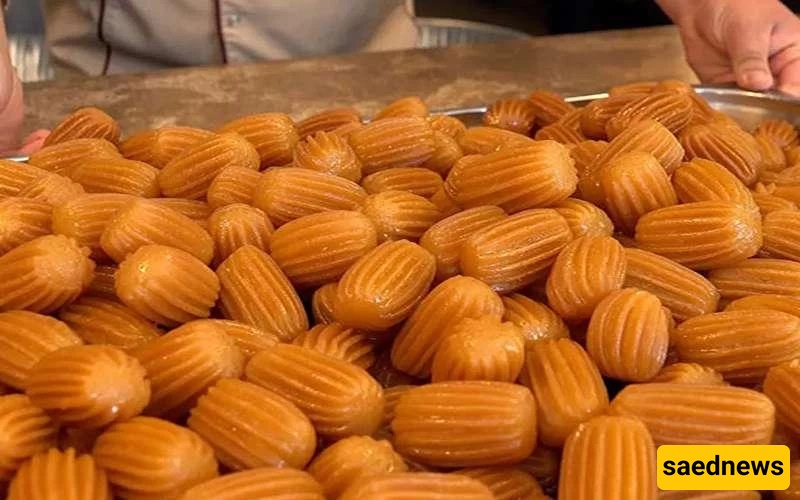
Bamieh should not be excessively soft or dry. If it becomes too soft, possible causes include:
The syrup was too hot.
The syrup was too thin.
Too much egg was added to the dough.
The frying temperature was too high.
The Bamieh was left submerged in the syrup for too long.

For firmer Bamieh, solid cooking fat can be used instead of liquid oil.
Once the oil is hot, you can grease clean kitchen scissors and use them to cut the piped dough into pieces.
For Bamieh that is thoroughly cooked inside, fry it over low heat.
The pieces should remain fully submerged in the oil while frying to ensure even cooking.
Because traditional Bamieh is deep-fried and soaked in syrup, it can be relatively high in calories and sugar.
For a lighter version, you can reduce the amount of sugar or use glucose syrup as an alternative. The Bamieh can also be fried in vegetable oil.