SAEDNEWS: Sotlava is a nostalgic Turkish milk dessert made with stale bread, whole milk, sugar, and vanilla. It has a soft, moist, and velvety texture. Stay with us to discover how it’s made.
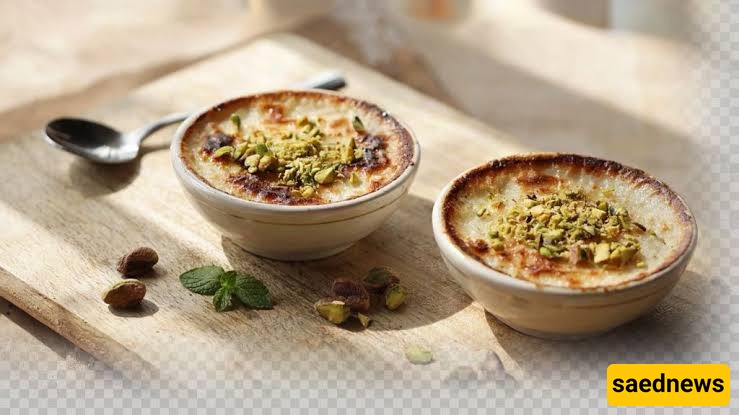
According to Saednews, Sutlava is one of those traditional, nostalgic desserts that turns any dessert table into a delightful experience with its delicate milky flavor, fragrant vanilla, and velvety texture.
This Turkish-inspired dessert, known by similar names in various parts of Turkey and the Mediterranean region, is a clever combination of bread, milk, and sugar. With a little creativity, these simple ingredients can be transformed into a dessert that feels both luxurious and comforting.
If you are looking for an easy way to make Sutlava at home using everyday ingredients, this guide walks you through the process step by step, including the key tips for achieving a smooth texture and balanced flavor.
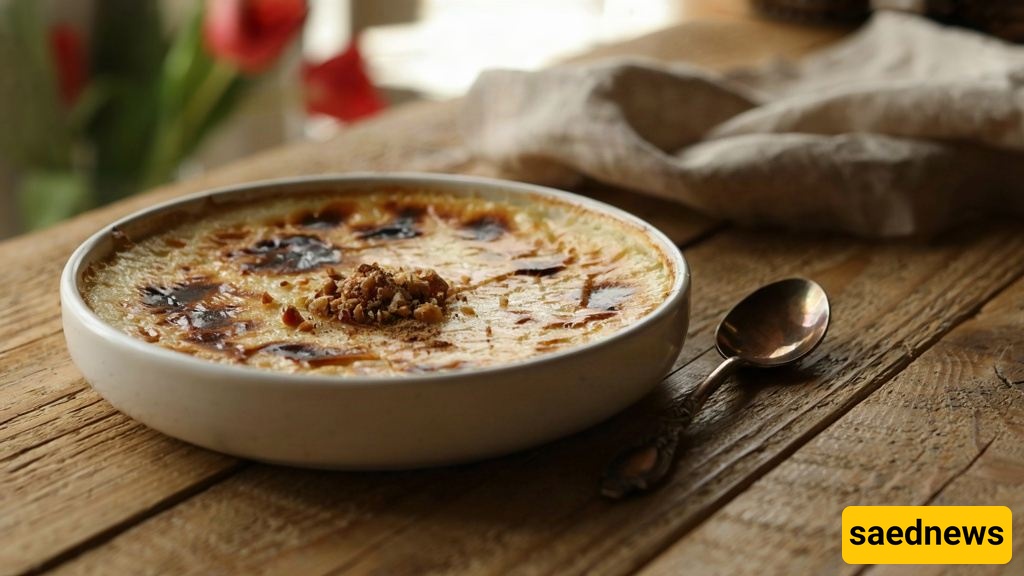
Sutlava belongs to the family of milk-based desserts, in which milk, sugar, and a main ingredient such as rice, bread, or flour form the foundation. In the popular version of this dessert, stale or specially selected bread is soaked in sweet, fragrant milk until it becomes soft, moist, and almost pudding-like.
Sutlava is sometimes compared with Turkish sütlaç, a traditional rice pudding. The main difference is that Sutlava generally uses bread instead of rice, and some versions are baked in the oven after preparation to create a golden, lightly caramelized surface.
Different cultures prepare similar desserts with their own names, ingredients, and flavors, but the basic idea remains the same: milk, sugar, and a little creativity.
Simple ingredients: Most of the ingredients are everyday kitchen staples.
Budget-friendly: A small amount of stale bread can make dessert for several people.
Easy to customize: Chocolate, dried fruit, nuts, and different flavorings can be added according to your taste.
Beautiful presentation: Its soft texture and simple toppings make it suitable for gatherings and special occasions.
Ingredients for Sutlava
Serves 6–8
About 200 g stale bread or plain dessert bread
1 liter full-fat milk
1 cup sugar, about 200 g
50 g butter
1 teaspoon vanilla
1–2 tablespoons cornstarch, optional, for a thicker texture
1 egg, optional, for a custard-like version
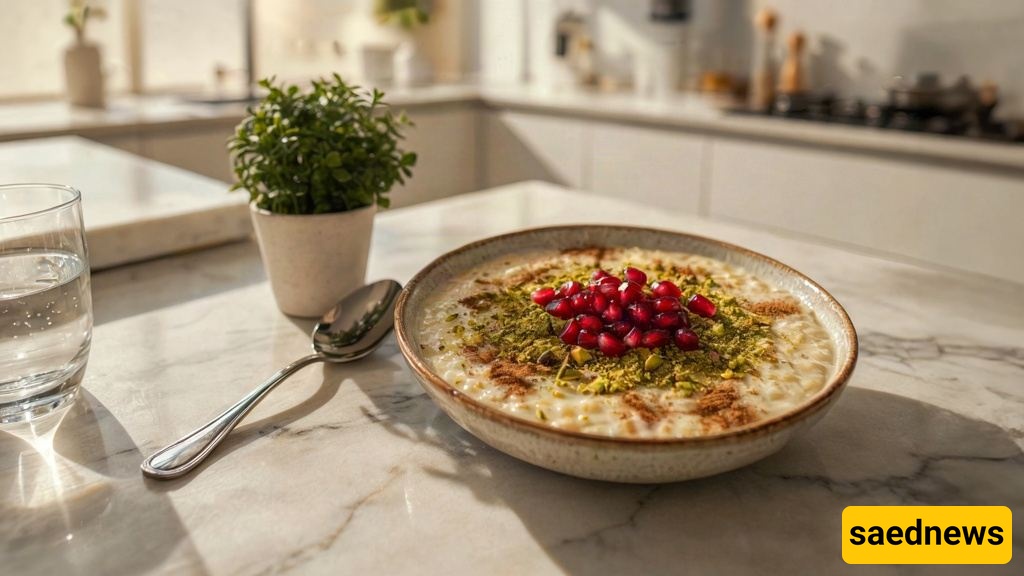
Ground cinnamon, to taste
2 tablespoons chopped walnuts or pistachios
1 teaspoon grated lemon or orange zest, optional
Grated chocolate or chocolate sauce, for serving
The most important point when making Sutlava is choosing suitable bread. It should be slightly stale and dry. Fresh bread contains too much moisture and can make the dessert overly mushy.
Plain bread such as unflavored toast, stale baguette, or simple local bread without herbs or other additions works well. Removing the crust can also help create a smoother texture.
For a rich and creamy dessert, full-fat milk is the best choice. Low-fat milk can make the dessert thinner and less flavorful. If you want an especially rich and velvety result, you can add a little heavy cream to the milk.
Regular white sugar works well, but part of it can be replaced with brown sugar for a deeper flavor. Natural vanilla adds a warm, pleasant aroma. A small amount of grated lemon or orange zest can also give the dessert a fresh citrus note.
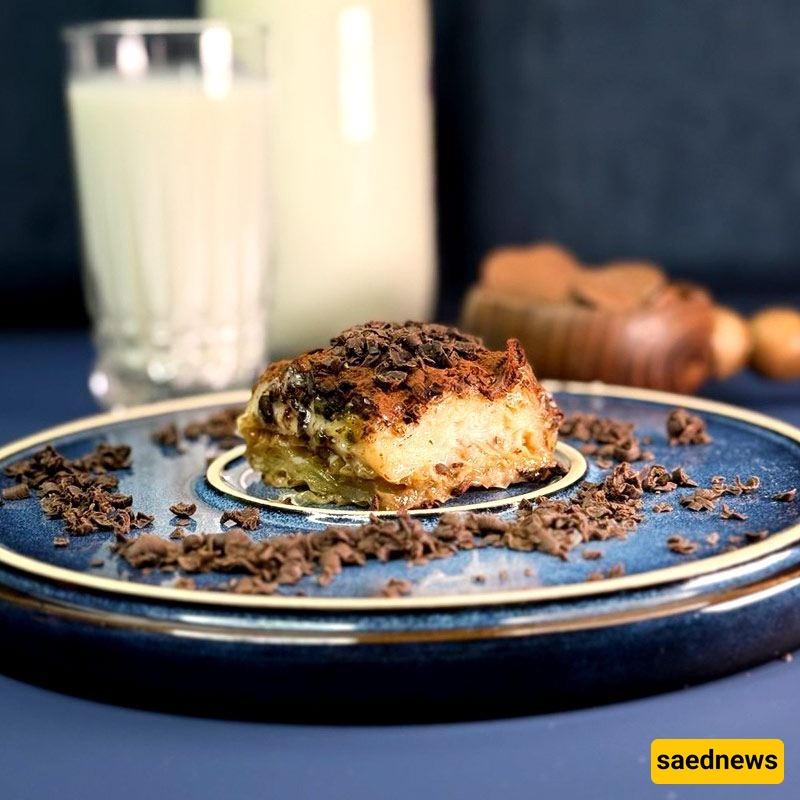
Cut the bread into thin slices or small cubes. If using toast, remove the brown edges first. Arrange the bread in a suitable ovenproof dish, such as a glass baking dish, in an even layer. A slightly deep dish is preferable so it can hold the milk comfortably.
Pour the milk into a medium saucepan and place it over low heat. Gradually add the sugar and stir until completely dissolved. Add the butter and allow it to melt. Avoid bringing the milk to a vigorous boil; gentle heat helps prevent it from overflowing or burning.
For a thicker dessert, dissolve the cornstarch in a small amount of cold milk and add it to the warming mixture. Whisk continuously for several minutes until smooth.
If using an egg, beat it separately with a little sugar until pale and creamy. Gradually add some of the warm milk to the egg mixture while whisking to temper it. Then return the mixture to the saucepan and stir continuously to prevent the egg from cooking or curdling.
Slowly pour the warm milk mixture over the layers of bread, making sure all the bread is thoroughly soaked. Gently press the bread down with the back of a spoon so it absorbs the milk properly. Let it rest for about 15–30 minutes until the bread becomes completely soft and saturated.
Transfer the mixture to a saucepan and cook over low heat, stirring continuously until it thickens and develops a creamy consistency. This usually takes around 10–15 minutes. Keep stirring to prevent the mixture from sticking to the bottom.
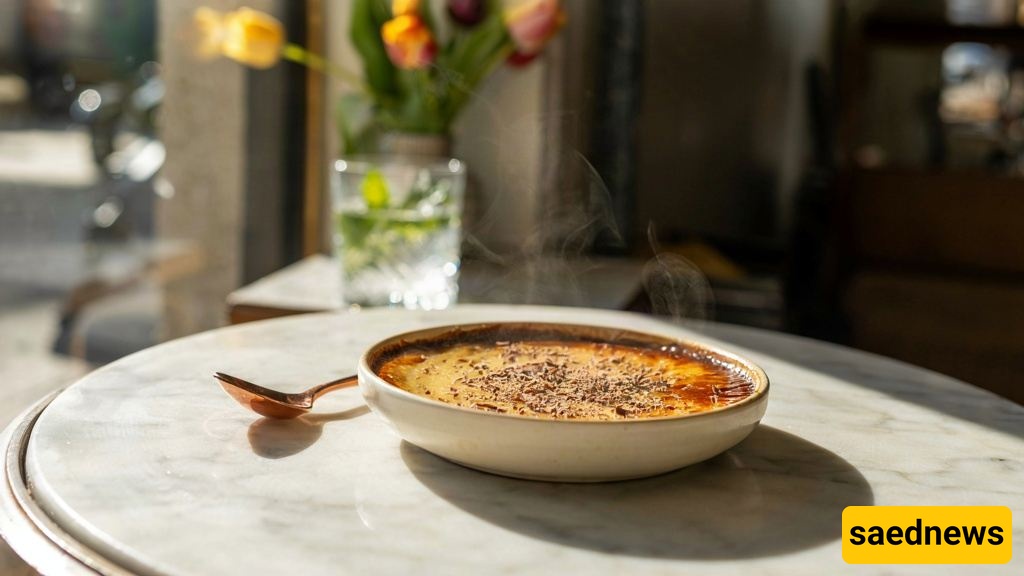
Place the dish in a preheated oven at 180°C (350°F). Bake for approximately 25–35 minutes, until the surface becomes golden and lightly caramelized. This method gives the dessert an attractive appearance and a deeper caramel-like flavor.
After cooking, remove the dessert from the heat or oven and let it cool to room temperature. Then refrigerate it for at least 2–3 hours, preferably overnight. Thorough chilling allows the dessert to set properly, helps the flavors blend, and creates a more cohesive texture.
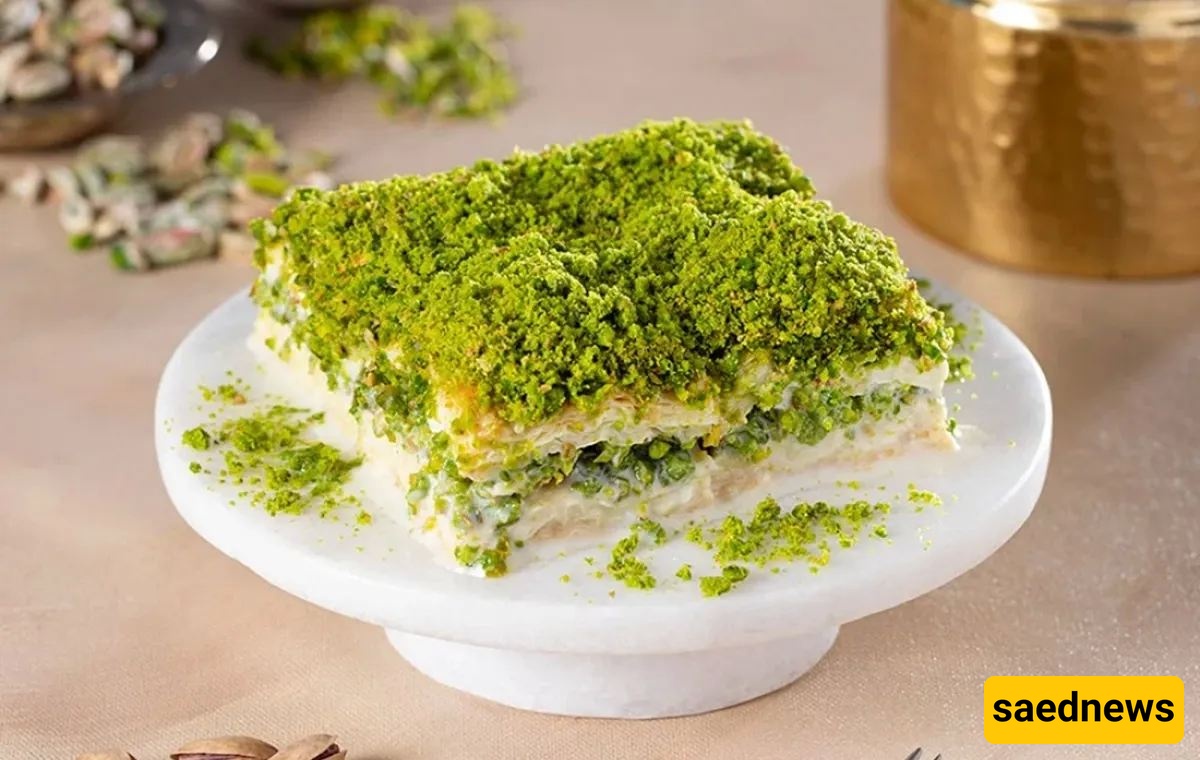
Before serving, garnish with ground cinnamon, walnuts, pistachios, almonds, or grated chocolate. Sutlava can be served chilled or at room temperature. For a more elegant presentation, serve it in individual dessert bowls and sprinkle a little pistachio powder on top.
Stir continuously: When cooking on the stovetop, constant stirring prevents sticking and lumps.
Use gentle heat: High heat can scorch the milk and leave a burnt flavor throughout the dessert.
Cool gradually: Let the dessert cool at room temperature before placing it in the refrigerator.
Layer thoughtfully: If using dried fruit or nuts inside the dessert, distribute them between the bread layers.
Adjust the sweetness: Reduce or increase the sugar according to your preference, keeping in mind that toppings such as chocolate can add extra sweetness.
Because it contains milk, Sutlava provides nutrients such as calcium, protein, and B vitamins. Butter and sugar contribute additional energy and flavor. However, because the dessert can be relatively high in sugar and fat, it is best enjoyed in moderation.
For a lighter version, reduce the amount of sugar, use low-fat milk, or omit the butter. Keep in mind that these changes will slightly affect the final flavor and texture.
One of the best things about this dessert is how easily it can be customized.
Chocolate Sutlava: Add cocoa powder to the milk mixture and finish with grated dark chocolate.
Fruit Sutlava: Add finely chopped strawberries, bananas, apples, peaches, or mango between the layers. Drain excess moisture from the fruit first so the dessert does not become too watery.
Honey and Nut Sutlava: Replace part of the sugar with honey and add walnuts, almonds, pistachios, or hazelnuts between the layers.
Coconut Sutlava: Add shredded coconut or coconut powder to the milk mixture and garnish with more coconut.
Saffron or Rosewater Sutlava: Add a small amount of brewed saffron or rosewater for a distinctive Middle Eastern-inspired aroma.
Vegan Sutlava: Replace dairy milk with almond, coconut, or soy milk, omit the butter or use coconut oil, and leave out the egg.
Using fresh bread: Fresh bread can make the dessert overly soft and doughy. Stale bread works better.
Using low-fat milk: Full-fat milk produces a richer and creamier texture.
Cooking over high heat: High heat can scorch the milk and affect the entire dessert.
Not stirring enough: Constant stirring during stovetop cooking helps prevent sticking and lumps.
Skipping the chilling time: Serving the dessert immediately may result in a loose texture. Refrigerate it for several hours.
Adding too much sugar: Excessive sweetness can overpower the other flavors and affect the texture.
Store Sutlava in a covered container in the refrigerator. It generally maintains good quality for 2–3 days.
It is best served chilled or at room temperature.
If you want to reheat it, use gentle heat or a microwave at low power to avoid damaging the texture.
Sutlava can also be frozen, although freezing may slightly change its texture. If frozen, thaw it in the refrigerator before serving.
Yes. Cook the mixture gently on the stovetop until it thickens. This method is quicker and produces a texture similar to pudding.
Yes. The egg is optional and can be left out without causing major problems. The finished dessert may simply have a slightly lighter texture.
Stale toast, stale baguette, plain milk bread, or any simple, relatively dry bread without herbs, vegetables, or strong flavorings can be used.
You may have used too much milk, cooked the mixture for too little time, or not allowed enough time for it to chill. Adding a little cornstarch can also help thicken it.
There may have been too much bread, too little milk, or excessive cooking. You can gently mix in a little warm milk to loosen the texture.
Sutlava is a simple, affordable, and comforting dessert that can be made easily at home with a few basic ingredients. The key to a successful result is using slightly stale bread, full-fat milk, gentle heat, and sufficient chilling time.
With variations such as chocolate, fruit, honey, nuts, coconut, saffron, or rosewater, you can create a different version every time. Whether served at a gathering, enjoyed as an afternoon treat, or made simply for yourself, Sutlava offers an easy way to turn everyday ingredients into a creamy and satisfying dessert.