SAEDNEWS: Proper storage can help fresh bread stay soft and pleasant for longer without relying on the freezer.
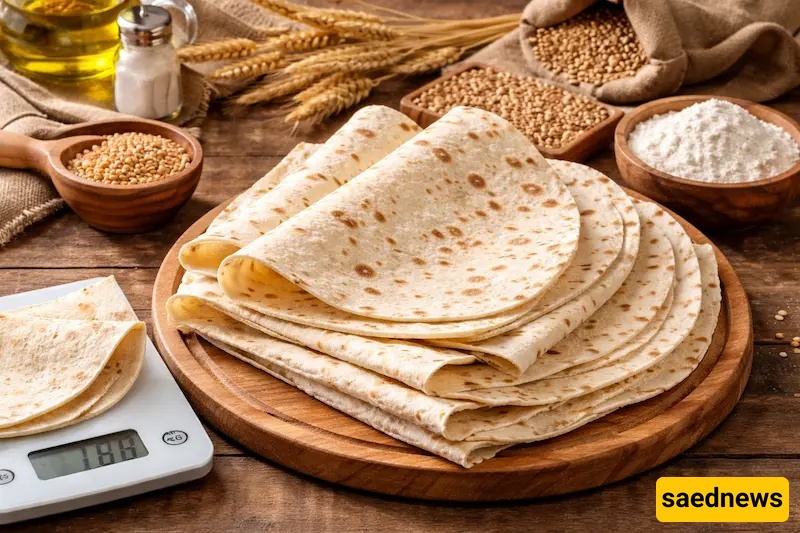
According to SAEDNEWS, the way bread is stored soon after buying or baking can make a noticeable difference in how long it keeps its desirable texture. Bread gradually loses moisture and freshness when exposed to air, while excessive humidity can encourage mold. The key is to find a storage method that protects the bread without trapping too much moisture.
If the bread is homemade or still warm, allow it to cool completely before storing it. Sealing warm bread can trap steam inside the container, making the surface damp and potentially creating conditions that shorten its shelf life.
Once cooled, keep the loaf in a clean, breathable bread bag or paper bag at room temperature. This allows some moisture to escape while protecting the bread from excessive exposure to air.
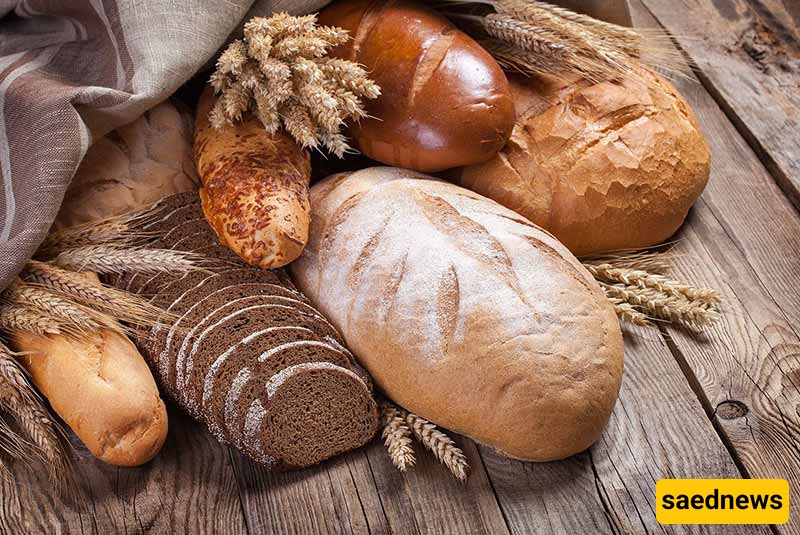
Where you store the bread matters almost as much as what you store it in. A cool, dry cupboard is generally a better choice than a location near the stove, oven, dishwasher, or a sunny window.
Avoid storing bread in places where temperature and humidity change frequently. These conditions can affect its texture and may encourage spoilage.
Store bread only after it has cooled completely.
Keep it in a dry, clean place at room temperature.
Avoid leaving the loaf exposed on the counter.
Keep it away from heat, direct sunlight, and excess moisture.
Take out only the amount you expect to eat soon.
For ordinary bread, refrigeration is not always the best way to preserve a fresh, soft texture. The cooler environment can make bread seem stale more quickly because changes in the starch structure occur faster at refrigerator temperatures.
For short-term storage, room temperature in a suitable bread bag or container is often preferable. However, if the environment is very warm and humid, preventing mold becomes a higher priority, and storage conditions may need to be adjusted.
The real secret is therefore simple: protect the bread from excessive air, heat, and moisture without sealing it while it is still warm. This balanced approach can help fresh bread retain a more enjoyable texture without immediately turning to the freezer.